
Isaac Newton’s Year of Wonders: Gravity, Light and the Laws of Motion
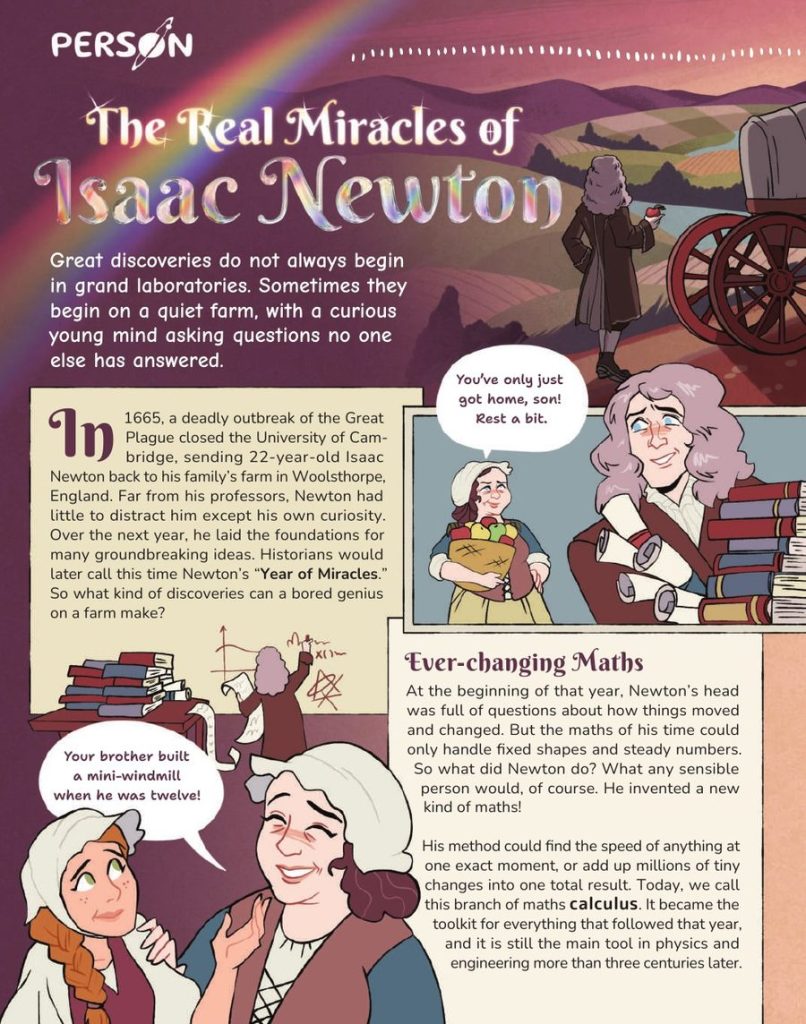
In 1665, the Great Plague closed the University of Cambridge and sent 22-year-old Isaac Newton home to his family’s farm in Woolsthorpe, England. Over the next year he laid the foundations of calculus, his ideas about gravity and his discoveries about light. Historians call this time his “Year of Miracles”.
What Do Colours Mean Around the World?

The same colour can mean very different things in different cultures. In European countries, brides traditionally wear white, while in Chinese tradition white is linked to funerals and brides wear red for good luck. Languages differ too: some have just two basic colour words, others around twelve.
Types of Mountains and the World’s Most Amazing Peaks
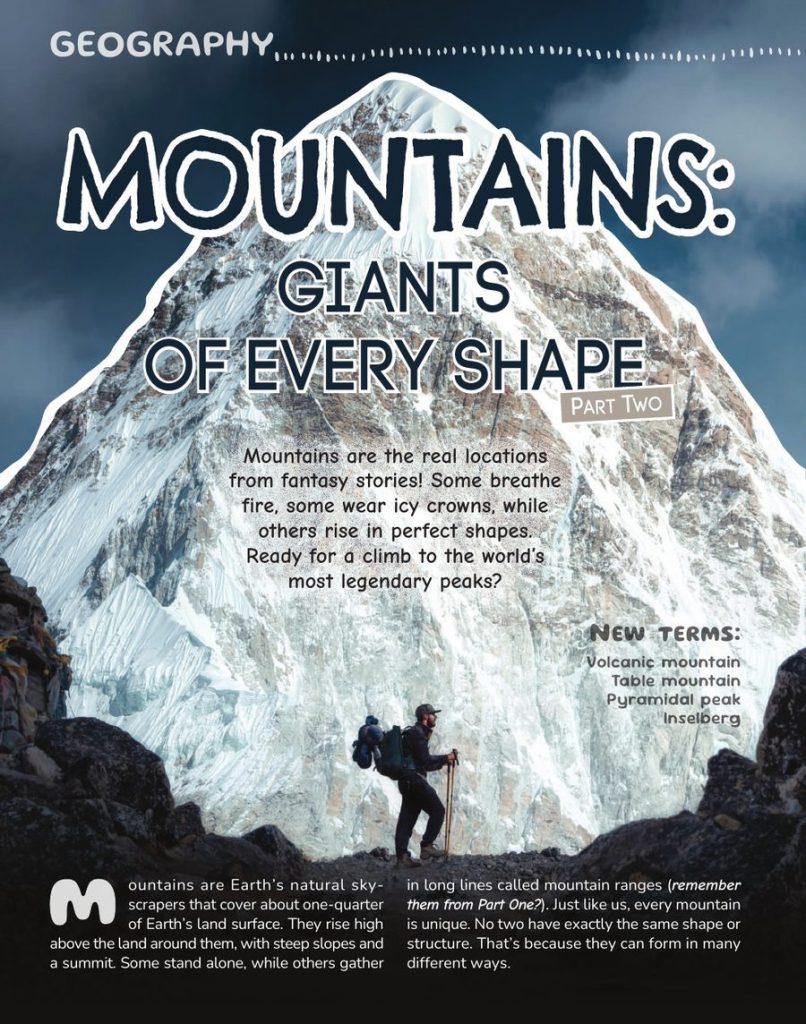
Mountains cover about a quarter of Earth’s land surface, and no two are exactly alike. Besides the ranges built by moving tectonic plates, there are volcanic mountains, flat-topped table mountains, sharp pyramidal peaks and lonely inselbergs, and each type forms in its own way.
How Do Rainbows Form? Why Every Rainbow Is Really a Circle

A rainbow forms when sunlight shines into raindrops. Sunlight looks white, but it is really all colours mixed together. Inside each drop, the light bends, bounces off the back of the drop and bends again on the way out, and each colour leaves at its own angle, spreading the light into a band of colours.
What Were Terror Birds? The Giant Birds That Ruled South America
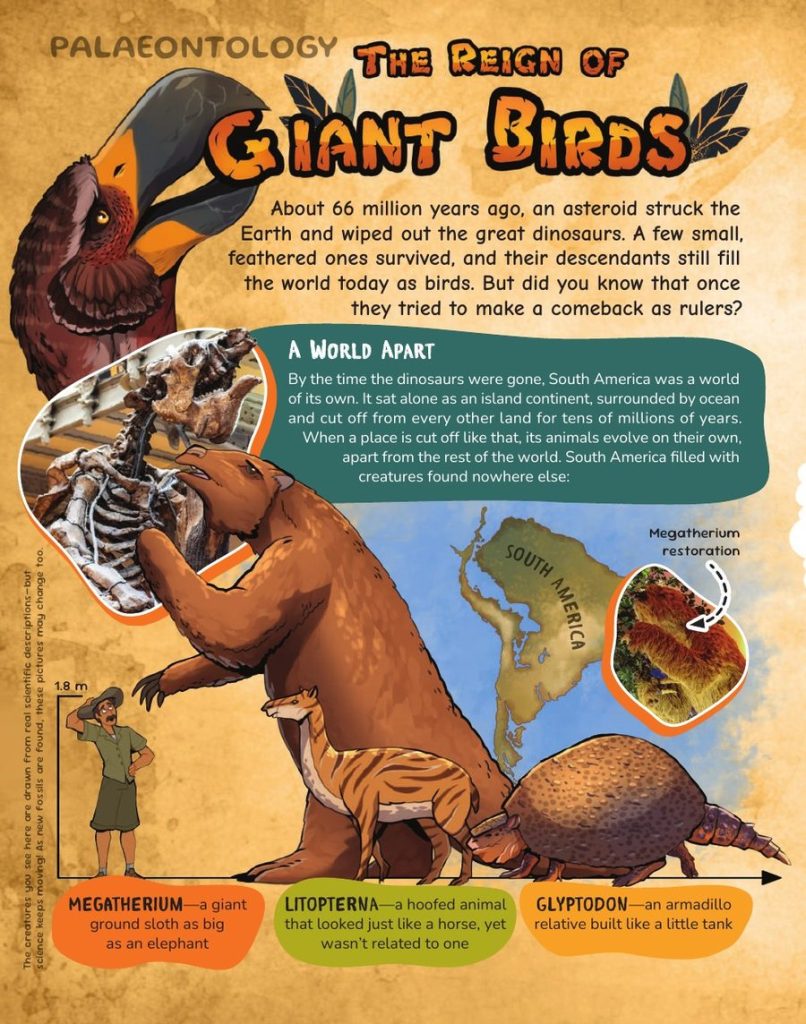
Terror birds, or Phorusrhacids, were flightless predatory birds that ruled South America for tens of millions of years after the great dinosaurs died out. With no lions, wolves or bears on the island continent, some grew as tall as a basketball hoop and became top predators, hunting with hooked beaks and powerful legs.
How Did Animals Learn to Fly? Insects, Pterosaurs, Bats and Birds

Animals learned to fly not once but four separate times. Insects took to the air first, more than 320 million years ago, followed by pterosaurs, birds and bats. Scientists call this convergent evolution: the same ability appearing in animals that did not inherit it from a shared ancestor.
What Is Gravity? Why Things Fall Down
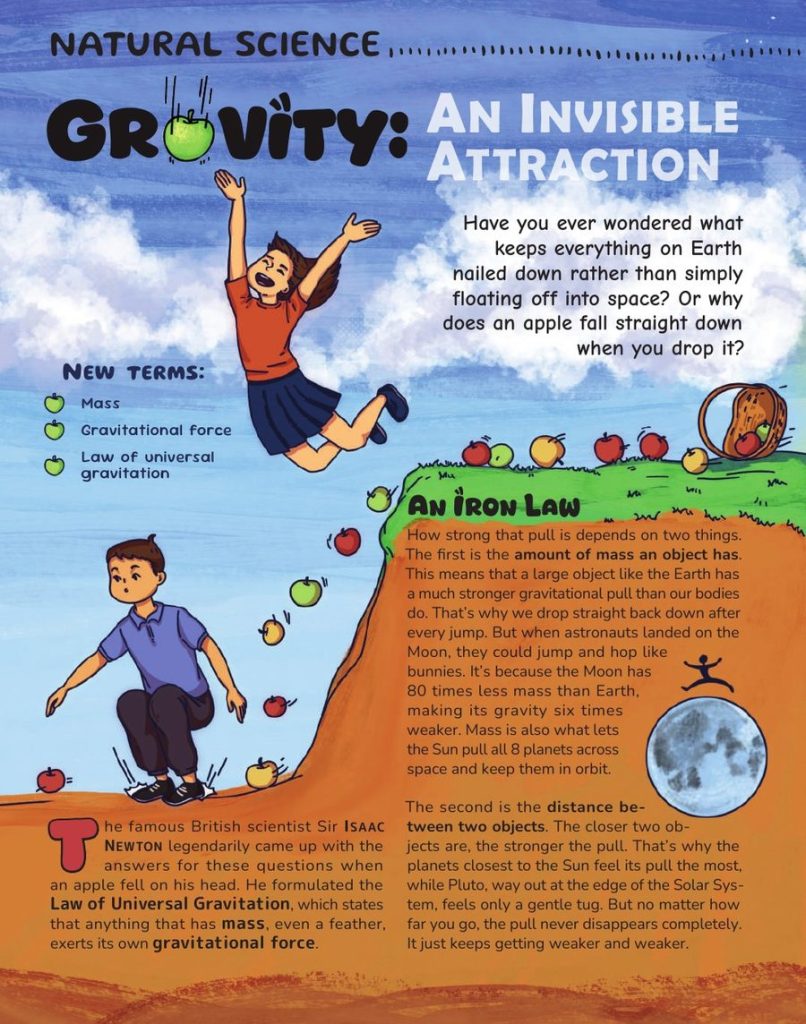
Gravity is the invisible pull that every object with mass has on every other object. The Earth is so massive that its pull keeps us and the air around the planet in place, and makes a dropped apple fall straight down. The more mass an object has, and the closer you are to it, the stronger its pull.
Carl Friedrich Gauss: Facts About the Prince of Mathematicians
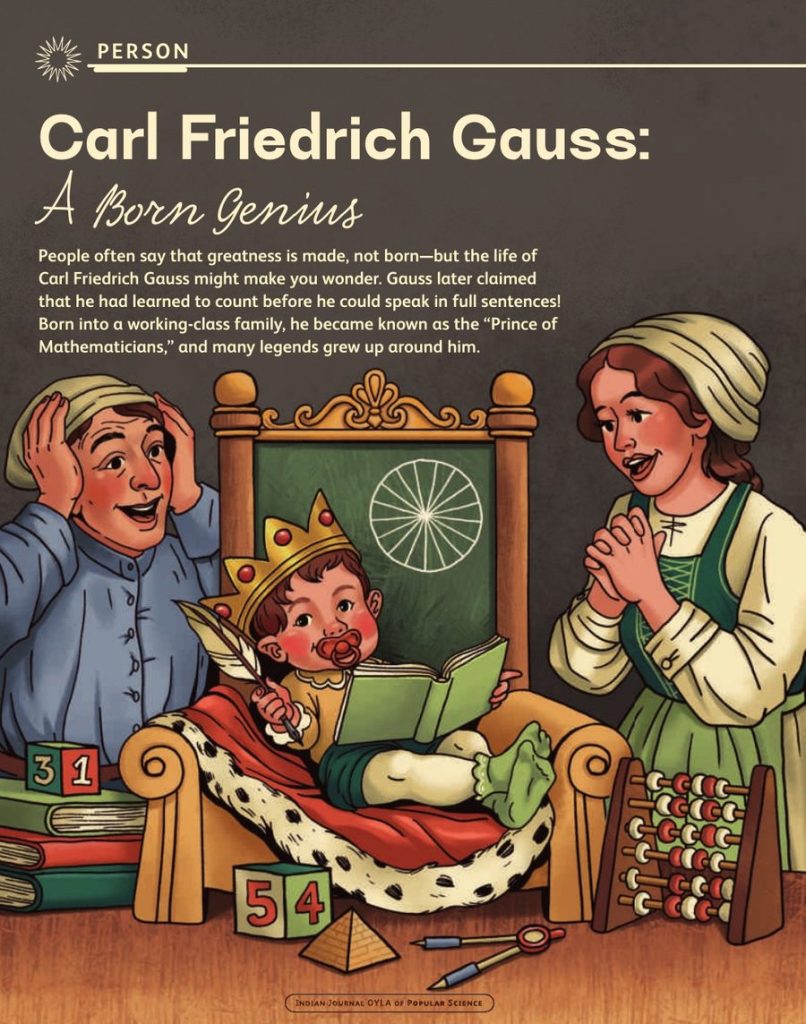
Carl Friedrich Gauss (1777–1855) was a German mathematician known as the “Prince of Mathematicians”. Born into a working-class family in Brunswick, he made discoveries in number theory, geometry, astronomy and physics, and helped build one of the world’s earliest electromagnetic telegraphs.
Cognitive Biases: Thinking Traps That Fool Even Scientists
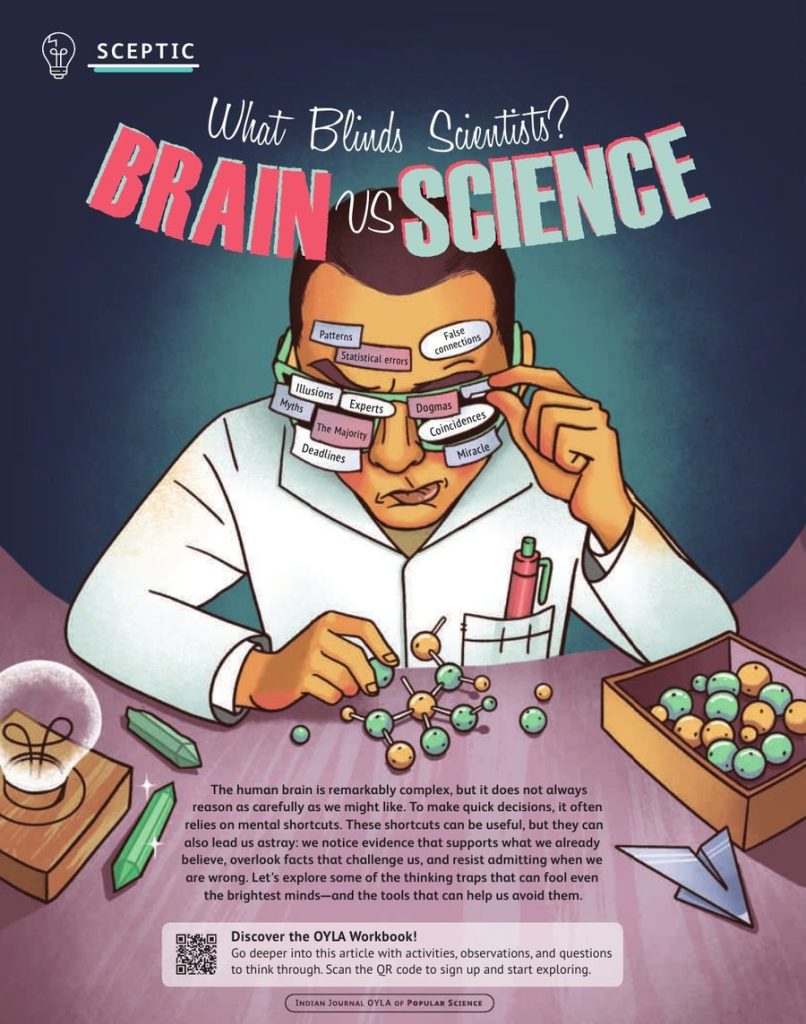
Cognitive biases are mental shortcuts that help the brain decide quickly but can lead it astray. We notice evidence that supports what we already believe, overlook facts that challenge us and see patterns in random coincidences. Even experienced scientists fall into these traps.
Who Was Diogenes? The Philosopher Who Lived in a Jar
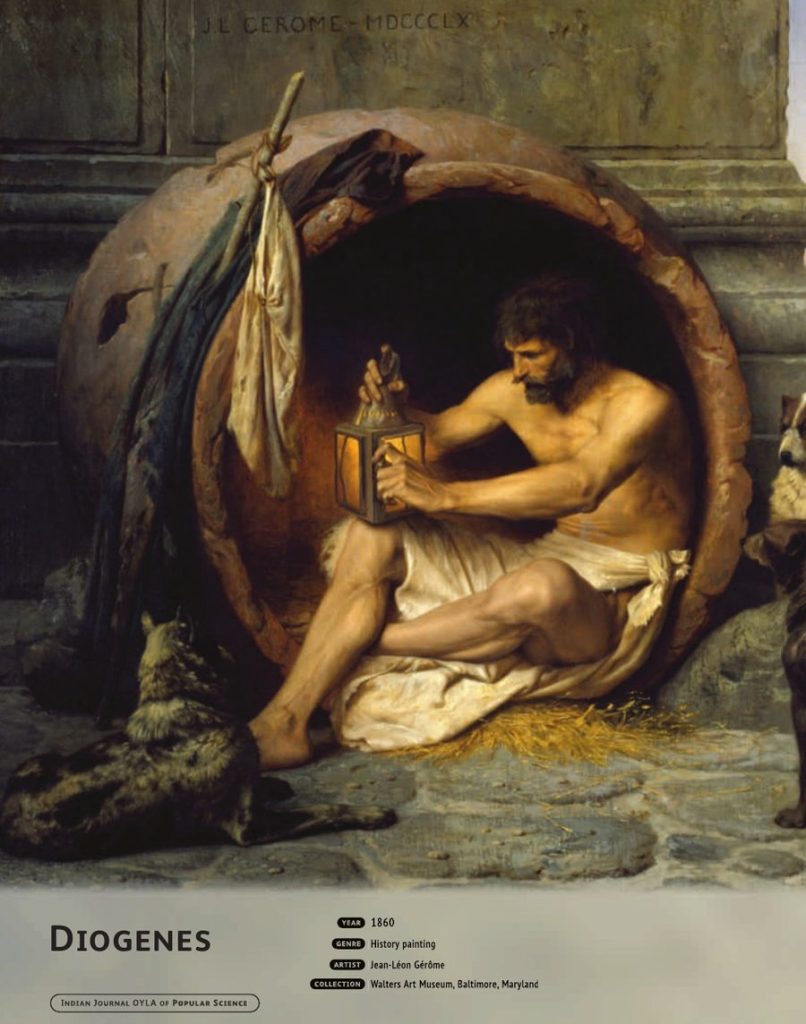
Diogenes (about 404–323 BCE) was an ancient Greek philosopher of the Cynic school. He sought freedom by giving up unnecessary possessions and rejecting social conventions, and he is said to have lived in a pithos, a large earthenware storage jar, rather than the barrel of popular stories.
Atlantis, El Dorado and Lemuria: The Truth About Legendary Lost Lands
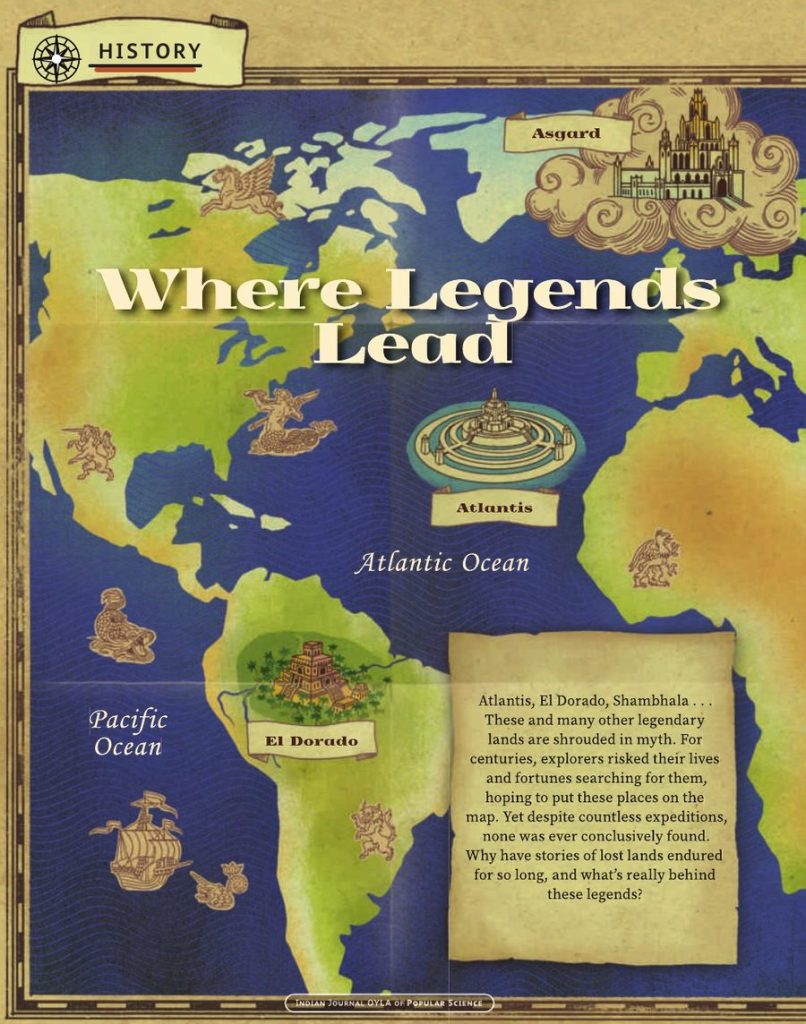
There is no evidence that Atlantis, El Dorado or other legendary lost lands ever existed. But none of these stories came from nowhere: each grew out of real history, philosophy or even science, and the search for them led explorers to genuine discoveries.
Can People Have Violet Eyes?

Human eyes are never truly violet. Eye colour depends mainly on how much melanin is in the stroma, the front layer of the iris. Eyes can only look violet as an optical effect: in some people with albinism under certain lighting, or because of coloured lenses, filters or unusual light.
What Are Photonic Crystals? How Butterflies and Opals Control Light
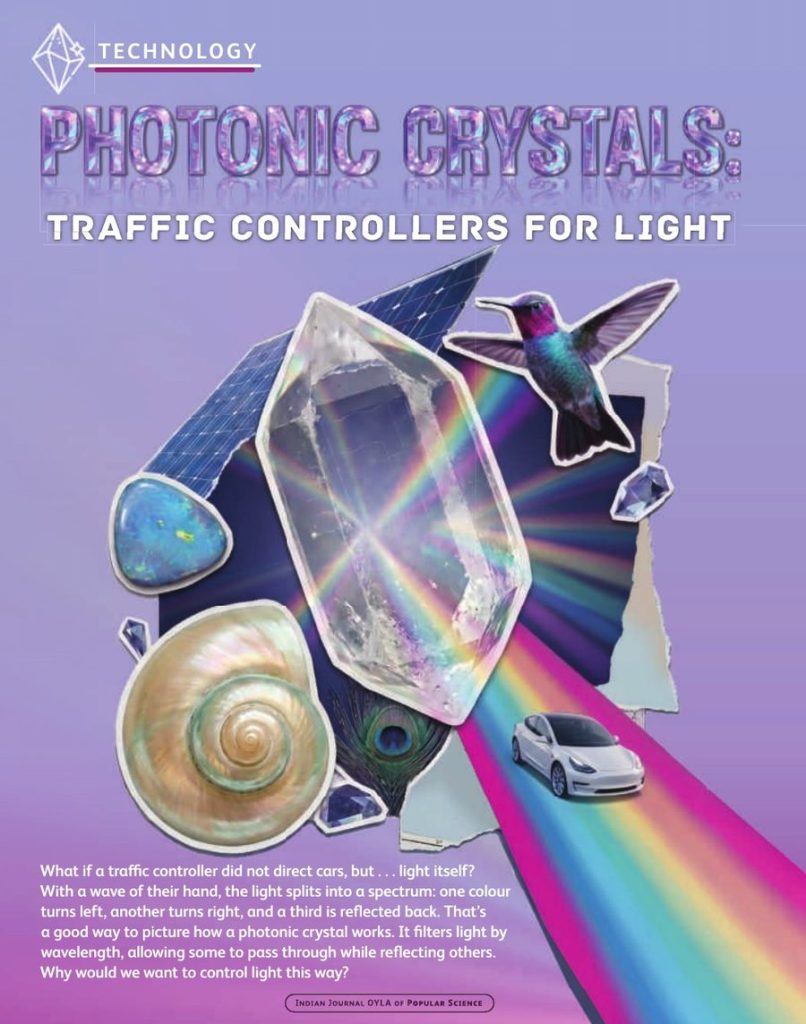
A photonic crystal is a material with a repeating pattern of regions that bend light differently, such as alternating layers or tiny holes. Because of this pattern, it lets some colours of light pass through and reflects others, a bit like a traffic controller for light.
What Is Noise Pollution and How Does It Affect People and Animals?
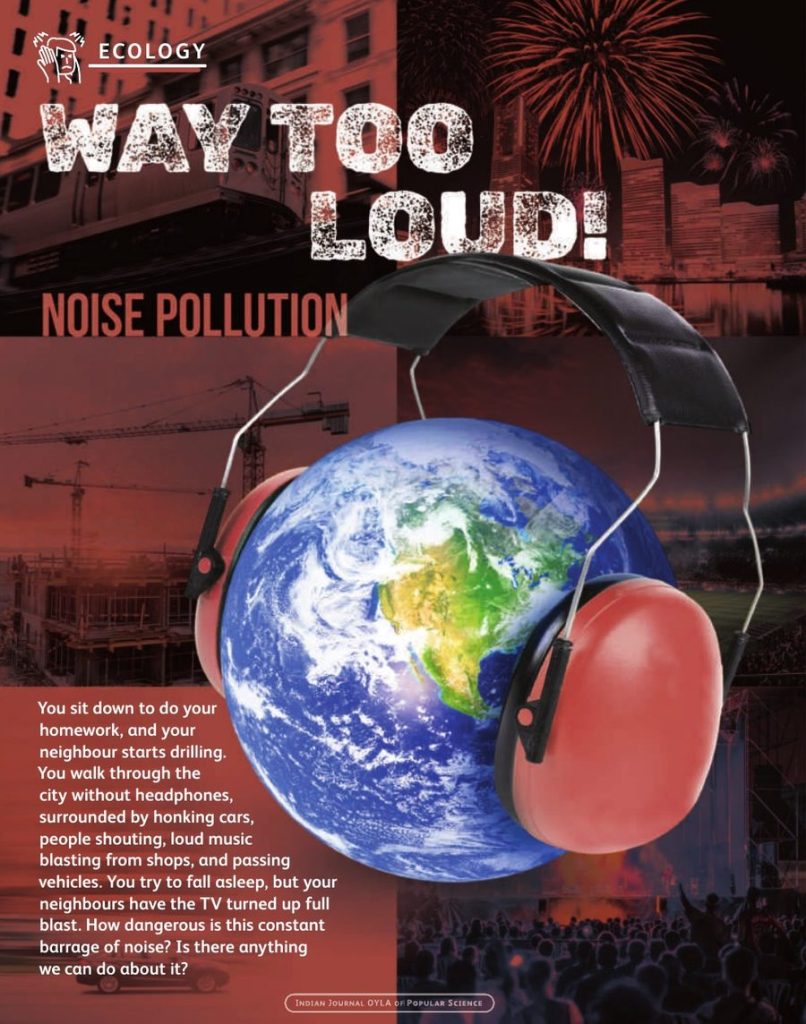
Noise pollution is excessive or unwanted sound that drowns out the natural sounds of an environment. Traffic, aircraft, construction and loud music all add to it. Long-term exposure can raise stress hormones, disturb sleep and contribute to high blood pressure, and for many animals it can even threaten survival.
Famous Cemeteries of the World: From the Paris Catacombs to Hanging Coffins
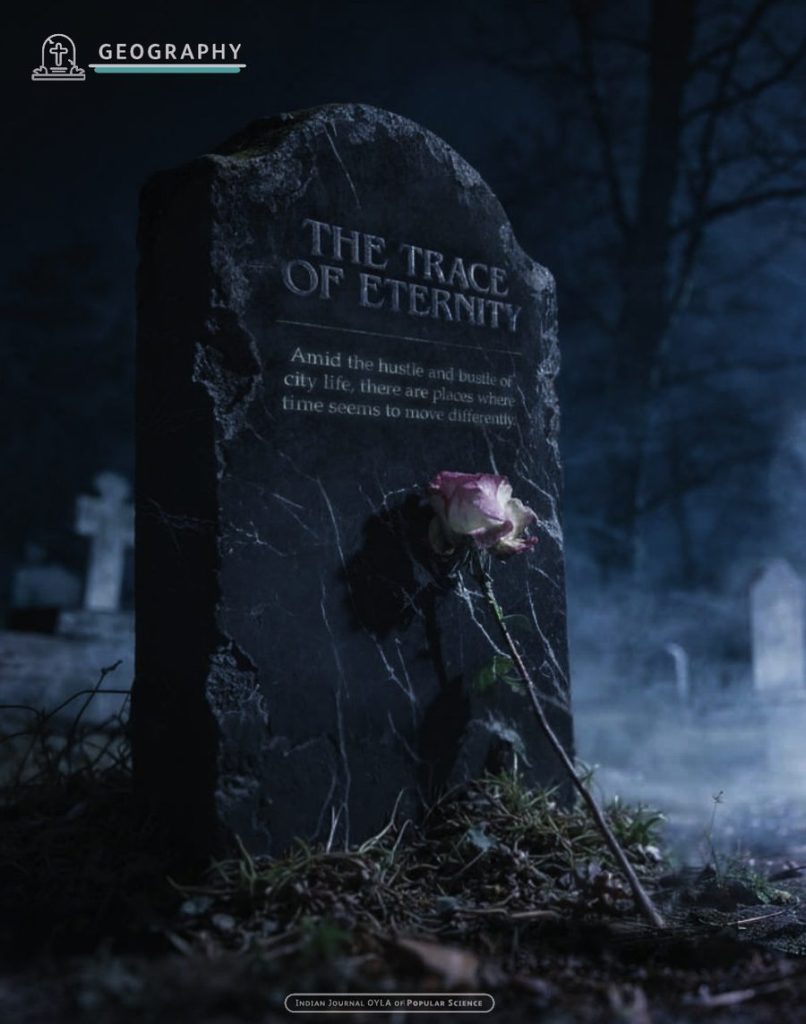
Cemeteries are more than places of remembrance: they show how different cultures understand life and death. Large historic necropolises, such as the Paris Catacombs, Okunoin in Japan and Recoleta in Buenos Aires, are valuable historical records, and many are protected as cultural heritage.
What Does the Spleen Do? Facts About a Forgotten Organ
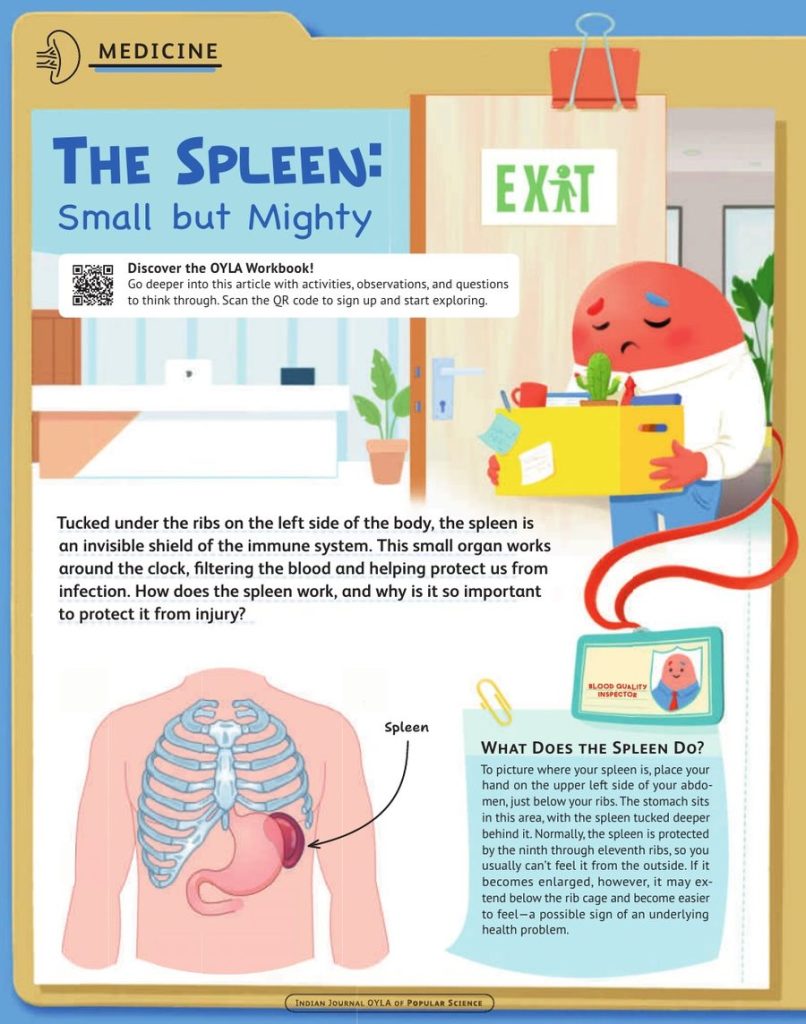
The spleen is a small organ tucked under the ribs on the upper left side of the abdomen, behind the stomach. It filters the blood, removes old or damaged red blood cells and acts as a response centre for the immune system, helping the body fight infection.
Why Are Most Mammals Colour-Blind?

Most mammals see fewer colours than we do because they have only two types of colour-sensitive cone cells, while humans have three. Scientists think this goes back to the age of dinosaurs, when early mammals became mostly nocturnal and colour vision gave them little advantage in the dark.
Giant Panda Facts: Why Pandas Eat So Much Bamboo
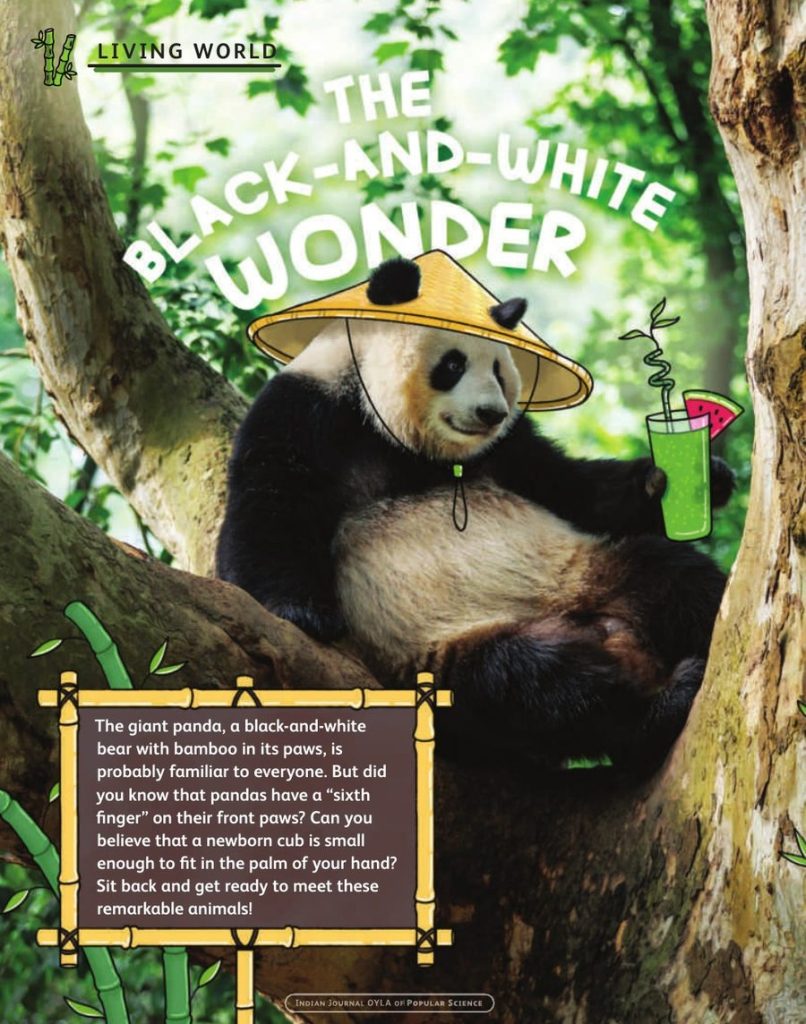
Giant pandas eat so much bamboo because they digest it poorly. Like other members of the order Carnivora, they have a short digestive tract and digest only about 17% of what they eat, and bamboo is low in nutrients. So an adult may spend 10–14 hours a day eating, and up to 38 kg of bamboo.
How Does Dishwashing Liquid Remove Grease?

Dishwashing liquid removes grease because it contains surfactants: molecules with a water-loving head and a grease-loving tail. The tails sink into the grease while the heads face the water, so scrubbing breaks the grease into tiny coated droplets that can be rinsed away.
How Does Water Evaporate? Why Wet Clothes Dry Even in Freezing Weather

Water evaporates whenever some of its molecules gain enough energy to escape from the surface into the air as invisible water vapour. It does not have to boil: that is why puddles disappear after rain and wet clothes dry at room temperature. Warmth, dry air and wind all speed evaporation up.
How to Make a Regular Pentagon from a Paper Knot
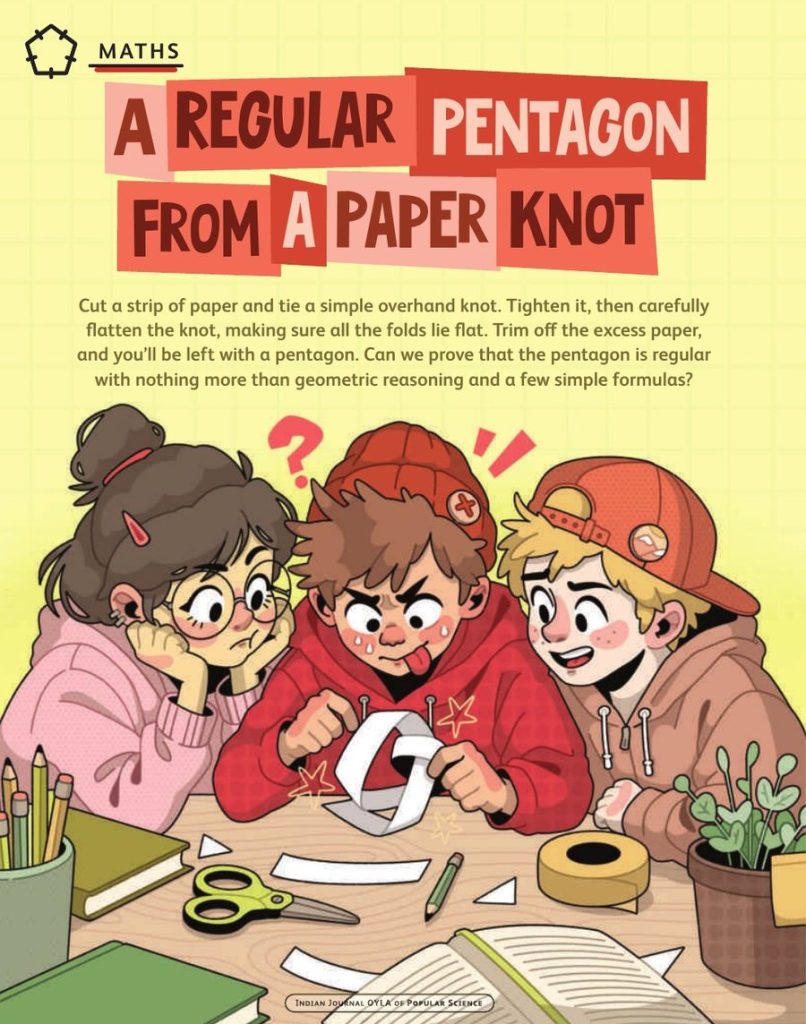
Cut a strip of paper of constant width, tie a simple overhand knot, tighten it and carefully flatten it. Trim off the ends and you are left with a pentagon. Surprisingly, it is a regular pentagon: all five sides and all five angles are equal, and simple geometry can prove it.
Louis-Nicolas Vauquelin: The Chemist Who Discovered Chromium
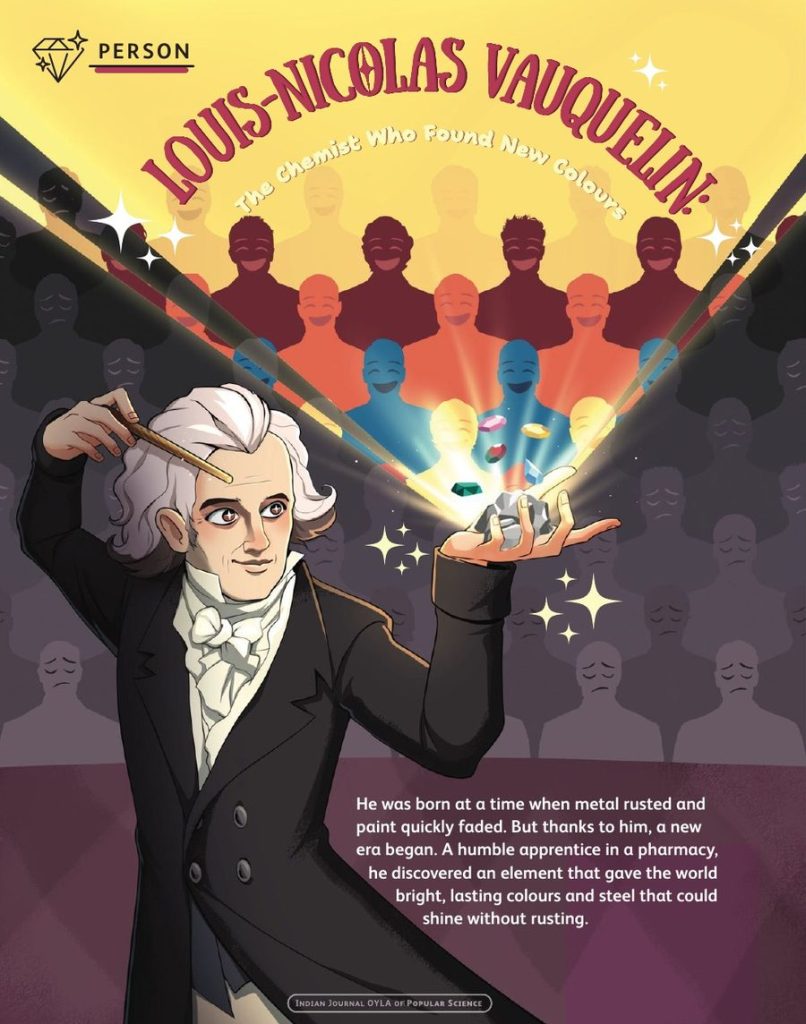
Louis-Nicolas Vauquelin (born 1763) was a French chemist who discovered the element chromium in 1797 and also discovered beryllium. His work led to bright, lasting pigments such as chrome yellow and, later, to stainless steel. He was also the first person to isolate an amino acid.
Why Can’t Humans Have Naturally Blue Hair?

Human hair cannot be naturally blue because its colour comes from only two pigments: eumelanin, which gives dark shades, and pheomelanin, which gives golden and reddish ones. Every natural hair colour is a mix of the two, and neither can produce blue, green or purple.
How to Manage Pocket Money: The Envelope Method
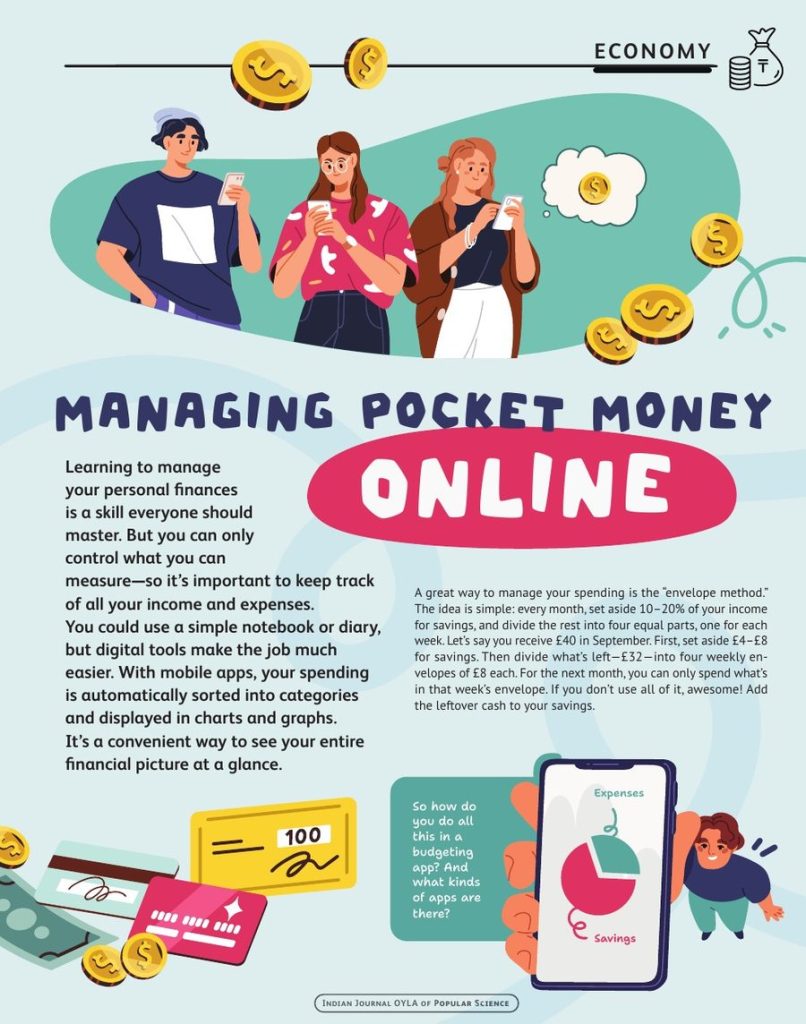
To manage pocket money, track every bit of income and spending and give yourself a weekly limit. A simple way is the envelope method: set aside 10–20% for savings first, then divide the rest into four equal parts, one for each week. Budgeting apps do the tracking for you.