
What Is a Lingua Franca? The Search for a Universal Language
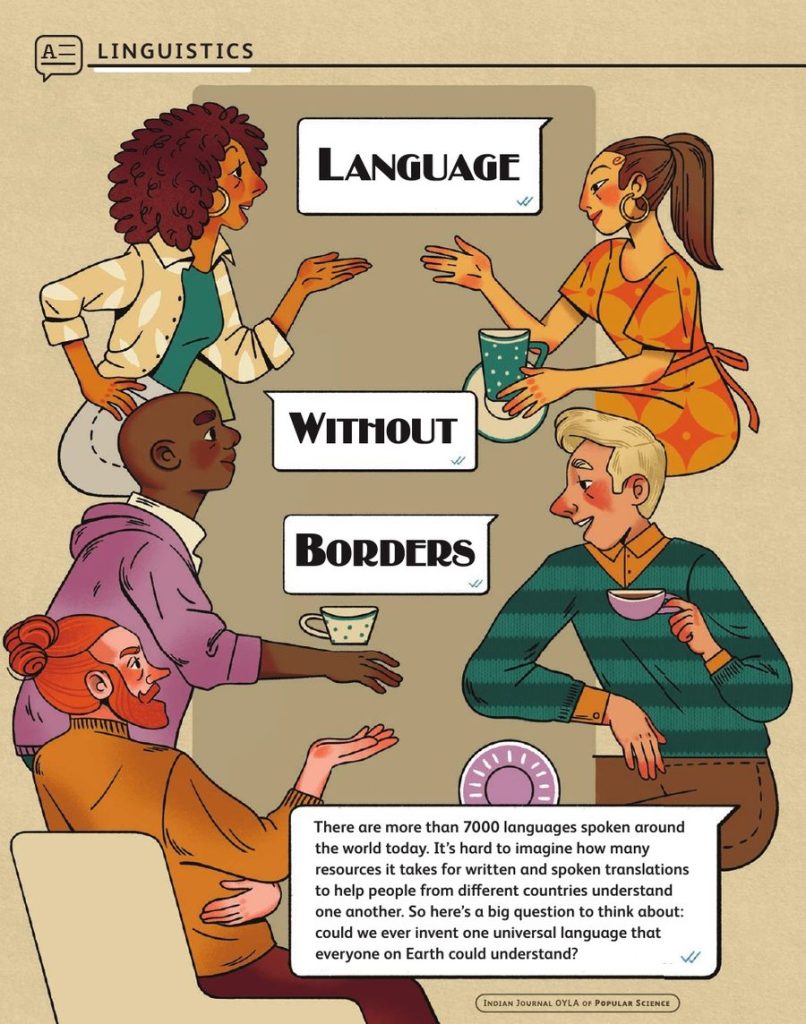
A lingua franca is a language people use to communicate when they do not share a native language. Akkadian, Aramaic, Greek, Latin and French have all played this role. Today it is English, spoken by more than 1.5 billion people.
The History of the Potato: From the Andes to the World
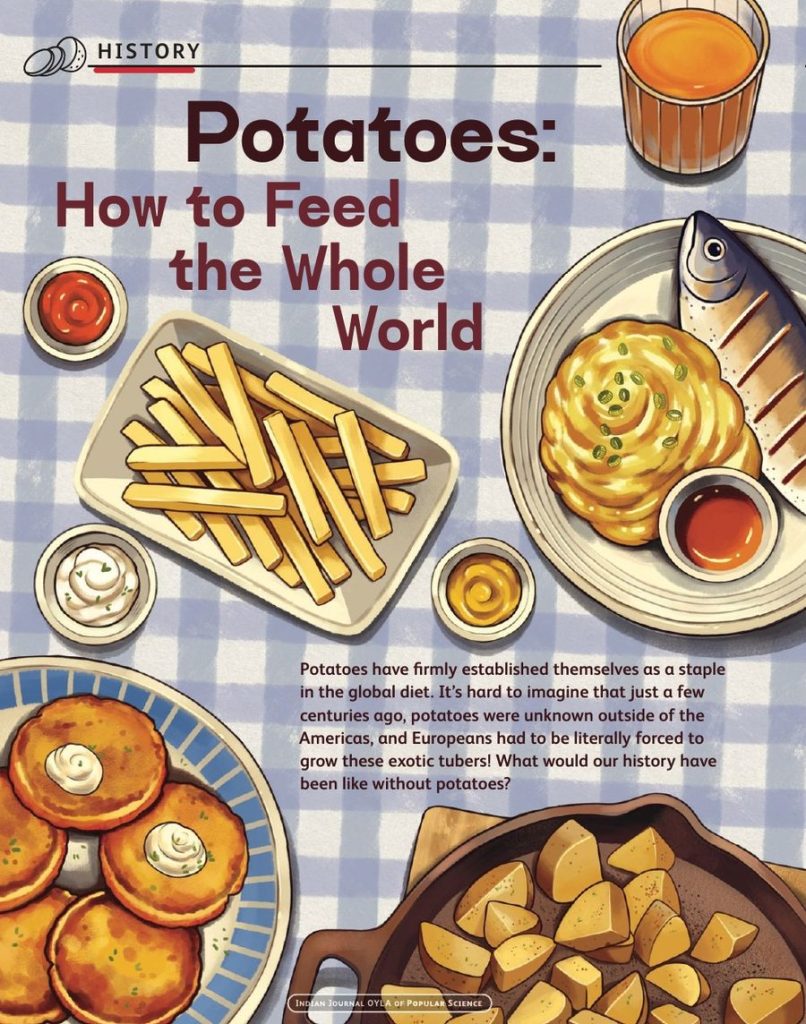
The potato was first cultivated in the Andes of South America around 7,000 to 10,000 years ago. Spanish travellers brought it to Europe in the 16th century, where people at first refused to eat it. Today it is the world’s third most important food crop, after rice and wheat.
Why Do Railway Gauges Differ Around the World?

A railway gauge is the distance between the two rails. The standard, or Stephenson, gauge is 1435 mm, but many countries chose wider or narrower tracks for reasons of stability, cost and history. Where two gauges meet, trains change their wheels or passengers change trains.
How Does the Sun Burn Without Oxygen?
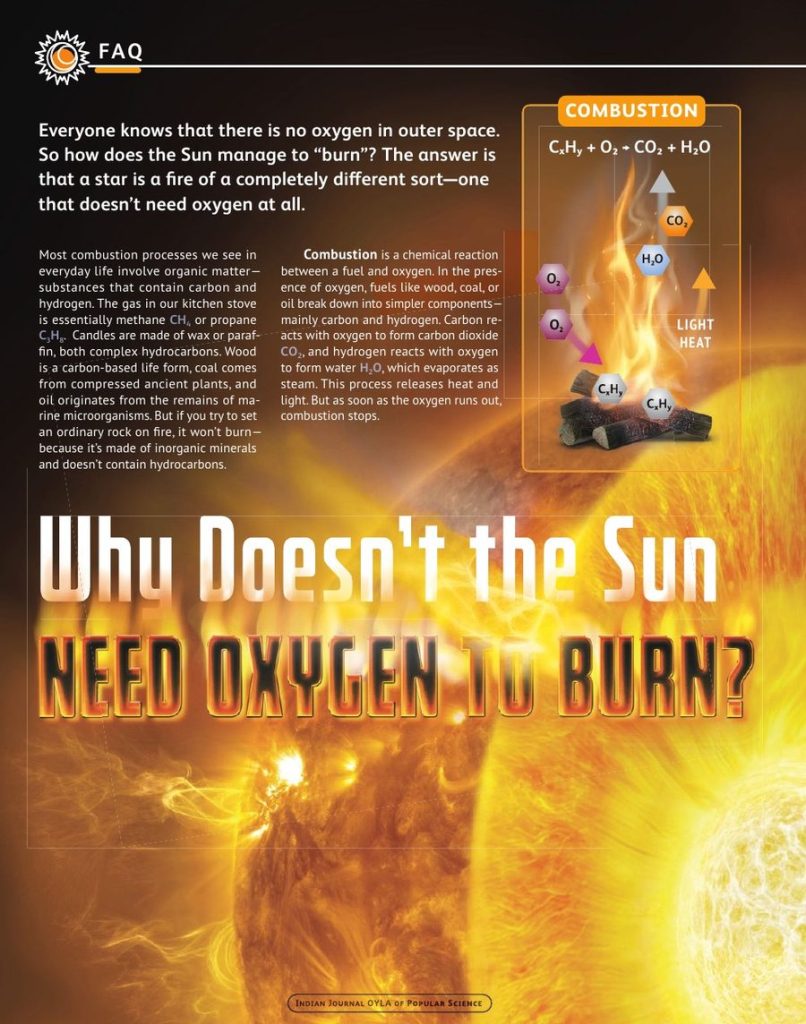
The Sun does not burn in the ordinary sense. Fire is a chemical reaction between fuel and oxygen, but the Sun shines by thermonuclear fusion: immense pressure in its core forces hydrogen nuclei to fuse into helium, releasing heat and light. Fusion needs no oxygen at all.
Saturn’s Rings: What Are They Made Of and Will They Disappear?

Saturn’s rings are made almost entirely of water ice: about 99.9%. They form the largest ring system in the solar system, reaching about 420,000 km from the planet, yet in most places they are no more than 1 kilometre thick. They are slowly raining down onto Saturn, but will last at least another 100 million years.
How Do Cities Survive in the Desert?

Desert cities survive by solving two problems: water and heat. They pump water from underground aquifers, carry it through canals for hundreds of kilometres or remove the salt from seawater. To stay cool they use ancient windcatchers, white paint, trees and air conditioning.
What Is Soil Made Of, and Why Is It in Danger?
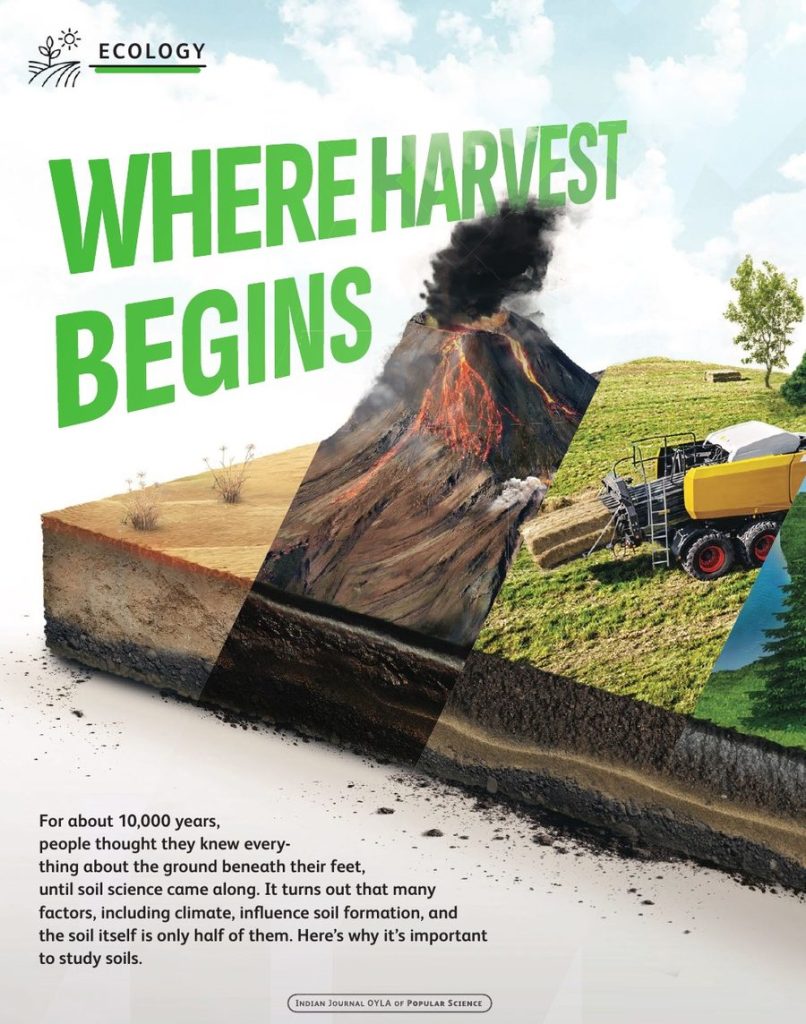
Soil is a mixture of solid, liquid and gas: roughly 45% minerals, 25% air, 25% water and 5% organic matter. The organic part, called humus, is what makes soil fertile. Soil takes centuries to form, but erosion can strip it away quickly.
The History of Wheat: How Humans Tamed Bread

Humans have been growing wheat for over 10,000 years. Today it covers more farmland than rice and corn combined, and the average person eats around 180–190 grammes of it per day. Its success comes from an unusual genetic trick: wheat has more than two sets of chromosomes.
Famous Markets Around the World, from the Grand Bazaar to Floating Markets
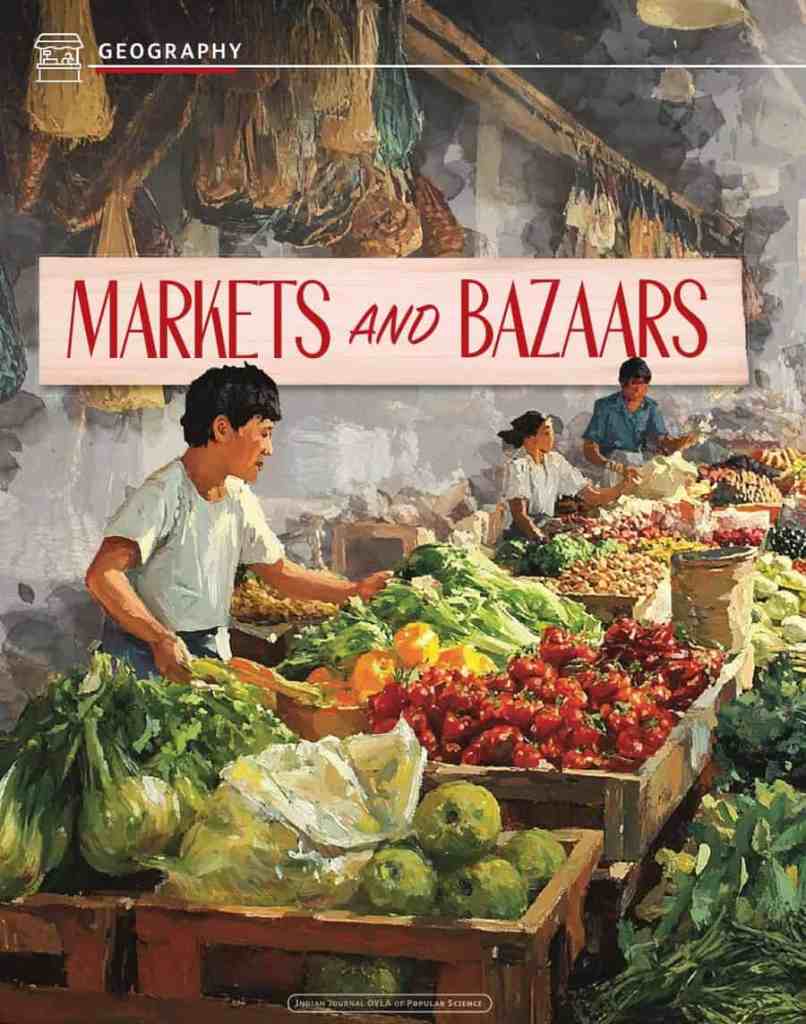
Markets are as old as trade itself: people began exchanging goods when they realised that each of them was better at something different, and towns grew up around the places where they met. Some historic markets still thrive, including Istanbul’s Grand Bazaar, with 58 streets and 22 gates.
What Is Corrosion? Why Metals Rust and How to Stop It

Corrosion is the process by which metals and their alloys are destroyed by chemical reactions with their environment, such as air, water and acids. Rust on iron is the best-known example. Corrosion costs the world approximately $2.5 trillion every year.
Human Brain Facts: Why the Brain Cannot Feel Pain

The adult human brain contains about 86 billion neurons, makes up only about 2% of body mass but uses 20% of the body’s oxygen, and cannot feel pain.
Is the Asteroid Belt Dangerous to Fly Through?

No. The asteroid belt between Mars and Jupiter may contain one to two million asteroids larger than a kilometre, but it is so vast that the average distance between sizeable rocks is about a million kilometres. Spacecraft fly straight through it.
How Do Particle Accelerators Work? From Light Bulb to Collider

A particle accelerator uses electric fields to speed up charged particles and magnetic fields to steer them, then smashes them into a target or into each other. The higher the energy, the deeper physicists can look into matter. The most powerful one, the Large Hadron Collider, discovered the Higgs boson in 2012.
Why Are Hexagons So Common in Nature?

Hexagons are common in nature because they are efficient. Only three regular shapes can cover a flat surface with no gaps: the triangle, the square and the hexagon. Of the three, the hexagon encloses the largest area for the same perimeter, so it gives the most space for the least material.
Galileo Galilei: The Rebel Who Changed Science
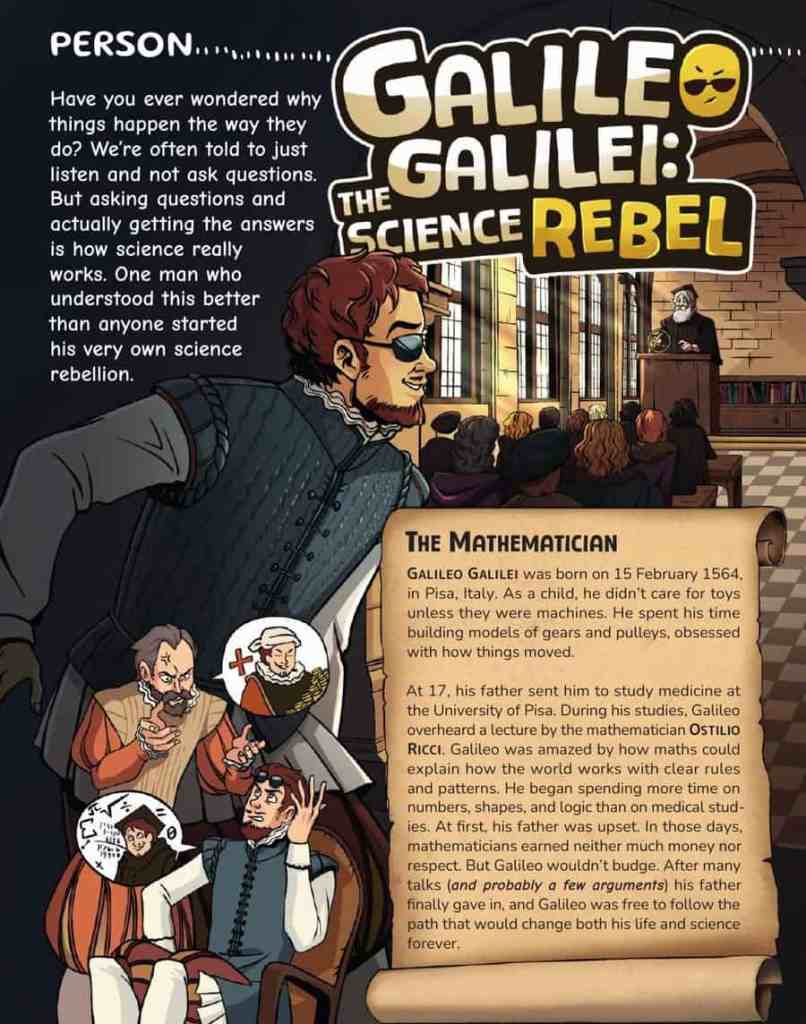
Galileo Galilei (born 1564 in Pisa, Italy) is often called the father of the experimental method: he tested ideas by observing and measuring instead of trusting old beliefs. He showed that heavy and light objects fall at the same rate, improved the telescope and defended the idea that the Earth moves around the Sun.
What Is Hindsight Bias? Why We Say “I Knew It All Along”
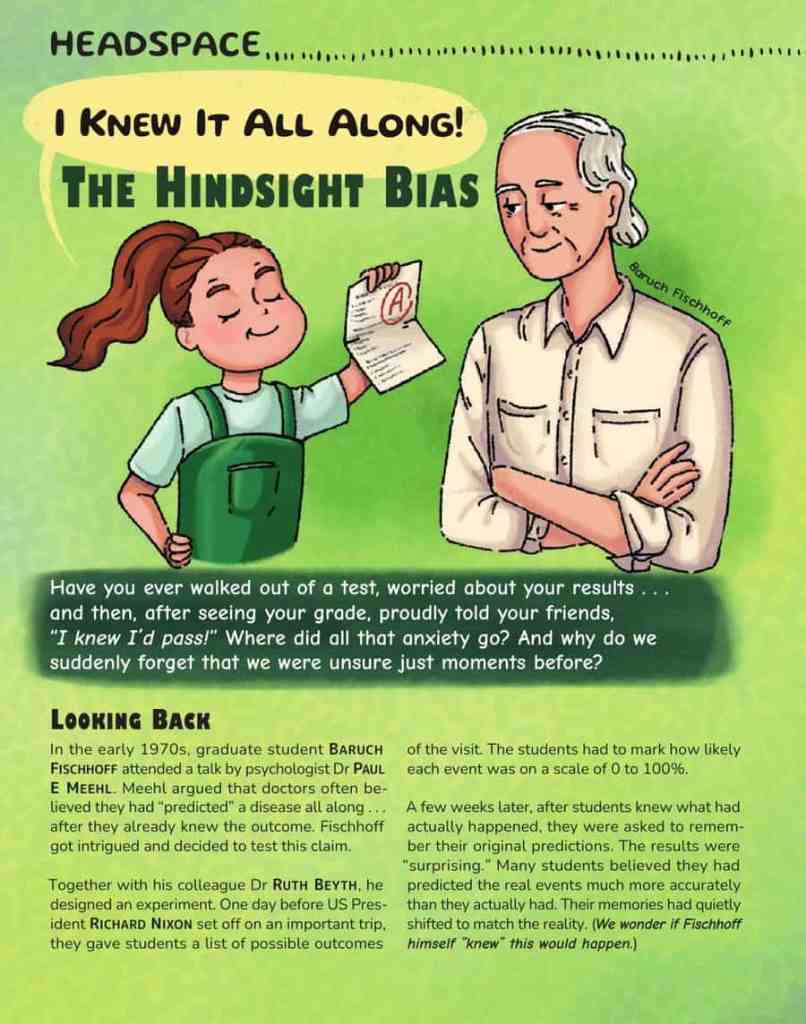
Hindsight bias is the tendency to see past events as more predictable than they really were. Once we know how something turned out, our brain quietly edits our memories, and we feel that we “knew it all along”.
The History of Sports Balls: Why Do Balls Bounce?
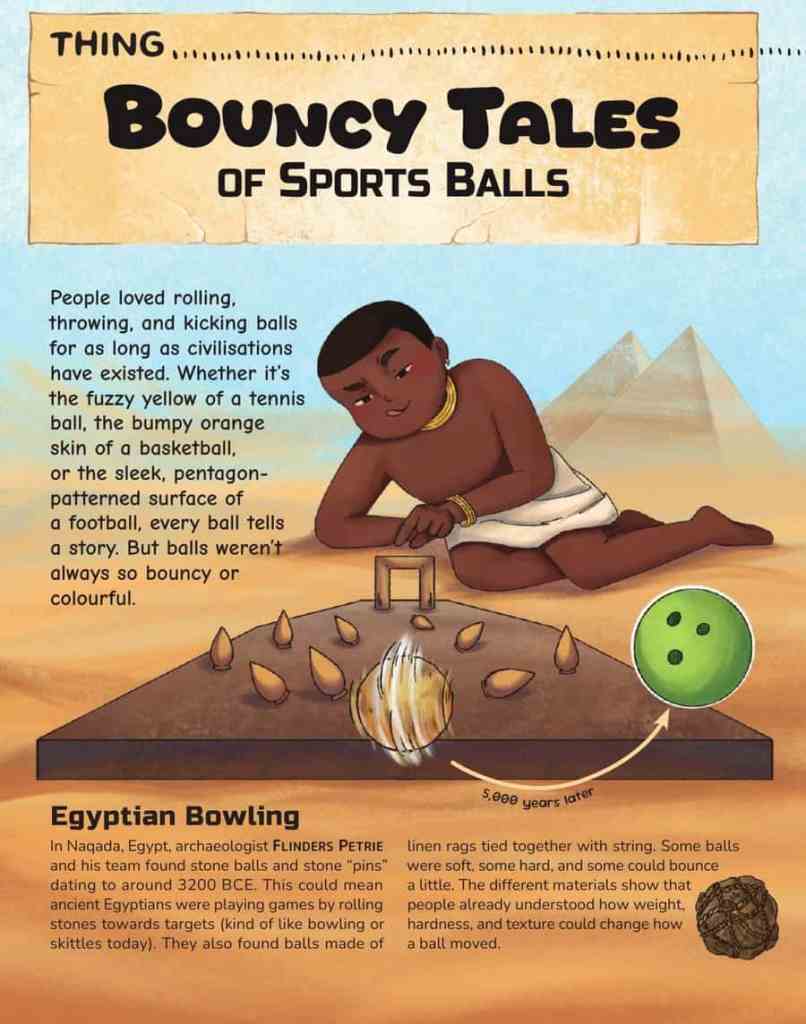
People have played with balls for at least 5,000 years. The first balls were made of stone, linen and leather; the Maya and Aztecs made the first rubber balls over 3,500 years ago; and in the 1800s vulcanised rubber finally made balls that bounce the same every time.
How Does a Telescope Work?
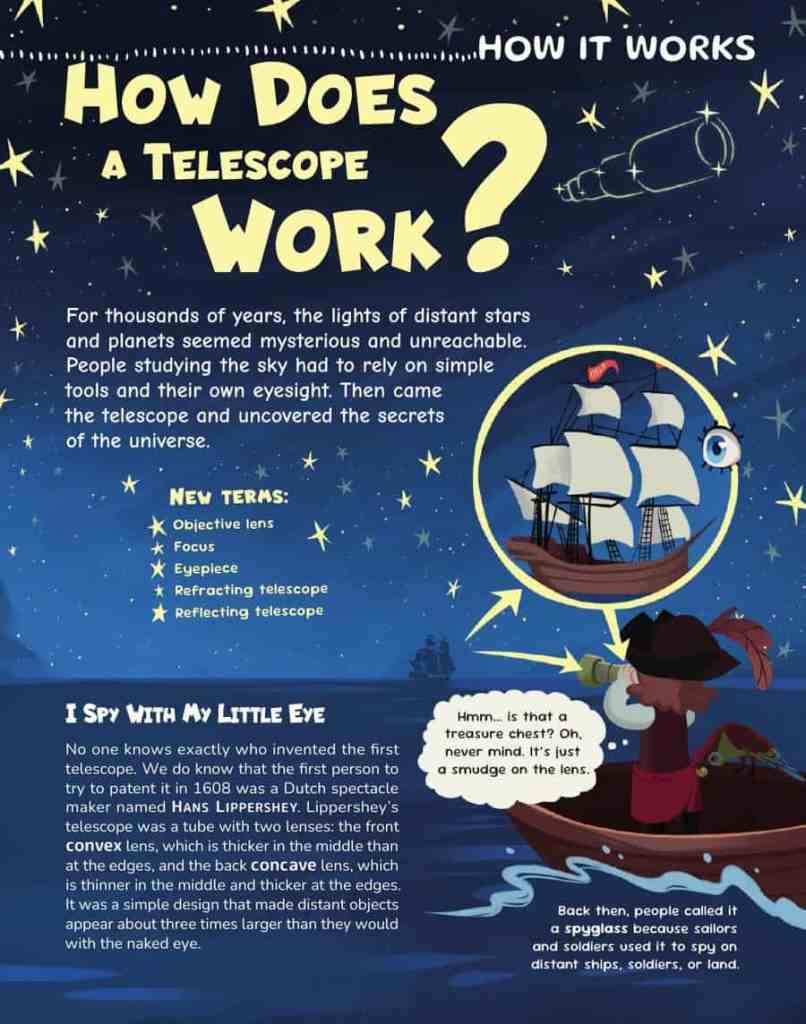
A telescope works by collecting much more light than your eye can and then magnifying the image. Refracting telescopes do this with lenses, and reflecting telescopes do it with mirrors. The first telescope, in 1608, made things look about three times larger.
Geocentrism vs Heliocentrism: Who Proved the Earth Goes Around the Sun?

Geocentrism is the old idea that the Earth sits at the centre of the universe. Heliocentrism is the idea that the planets, including the Earth, move around the Sun. Geocentrism ruled for nearly 2,000 years, until Copernicus, Kepler, Galileo and Newton showed that the Sun-centred model is right.
Amazing Lakes Around the World: Pink, Hot and Made of Asphalt
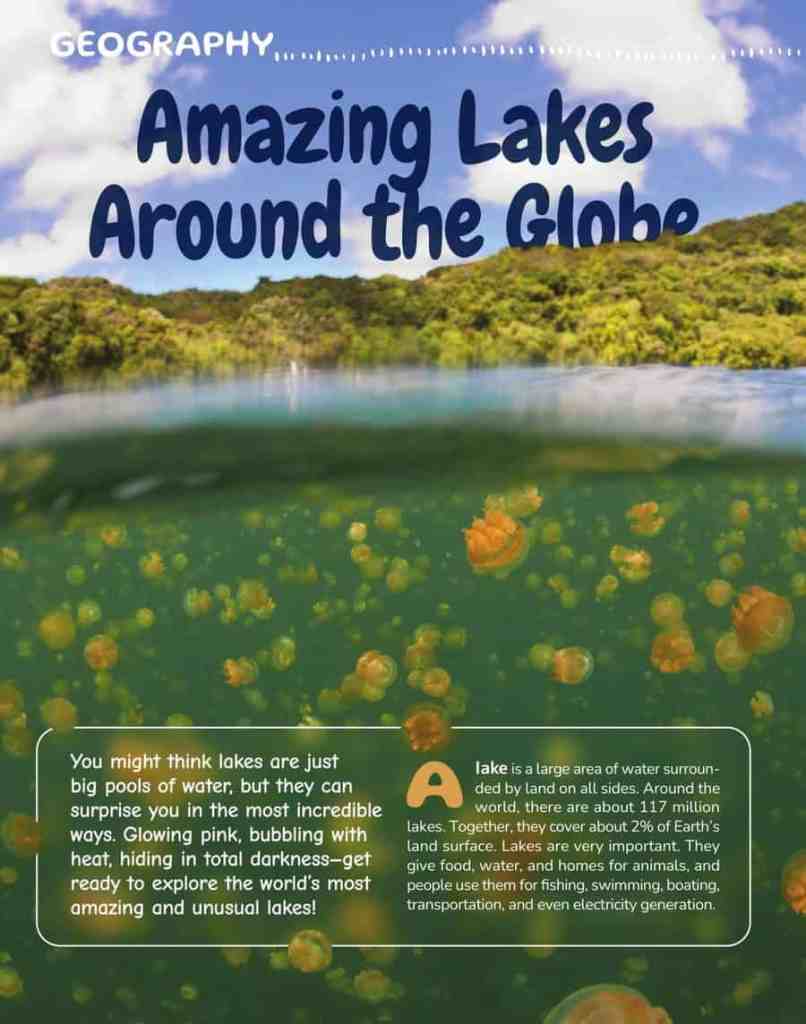
There are about 117 million lakes on Earth, and together they cover about 2% of the land. Some of them are astonishing: Lake Hillier in Australia is bright pink all year round, Frying Pan Lake in New Zealand is 50–60°C, and Pitch Lake in Trinidad is made of asphalt.
Why Don’t We Feel the Earth Spin?
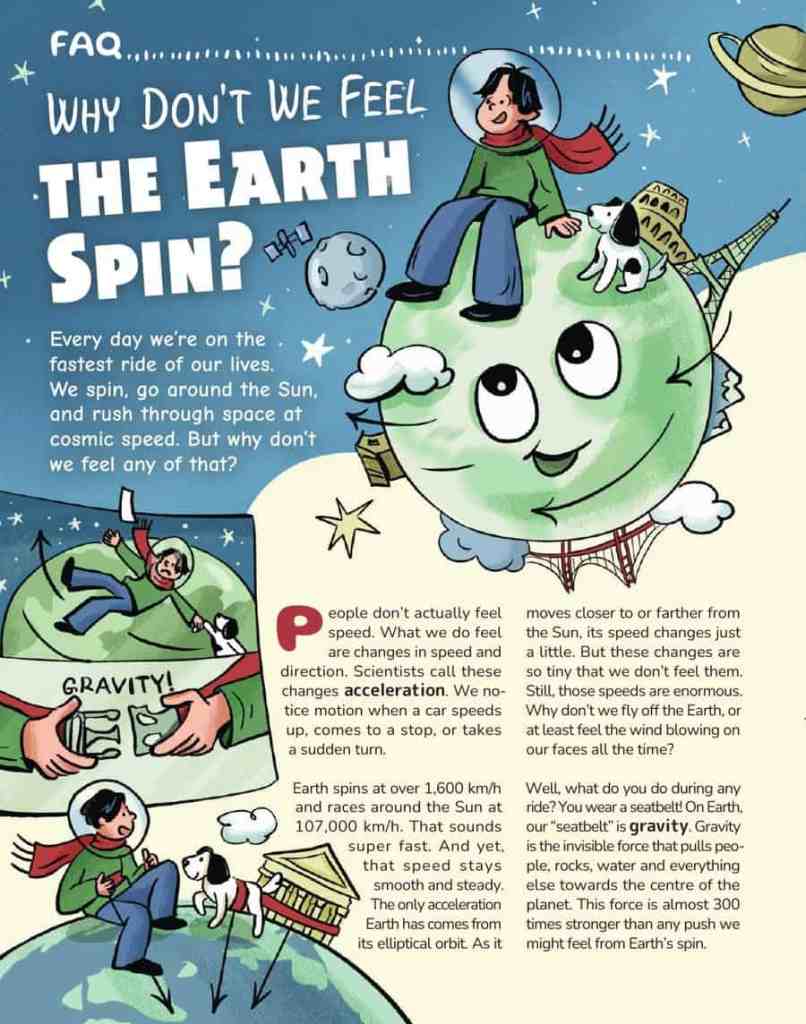
We don’t feel the Earth spin because people cannot feel steady speed, only changes in speed and direction. The Earth spins at over 1,600 km/h and travels around the Sun at 107,000 km/h, but that motion is smooth and constant, so our bodies notice nothing.
What Is Earth Day and How Did It Start?

Earth Day is a holiday for our planet, celebrated every year on 22 April in more than 190 countries. It began in the United States in 1970, after a huge oil spill showed how badly nature needed protecting. About 20 million Americans took part in the first one.
What Is an Ellipse? The Stretched Circle Explained

An ellipse is a stretched circle with two special points inside it, called foci. For any point on the edge of an ellipse, the distances to the two foci always add up to the same total. Planets, fruit and even the Colosseum follow this shape.
What Is Onomatopoeia? Words That Sound Like Noises
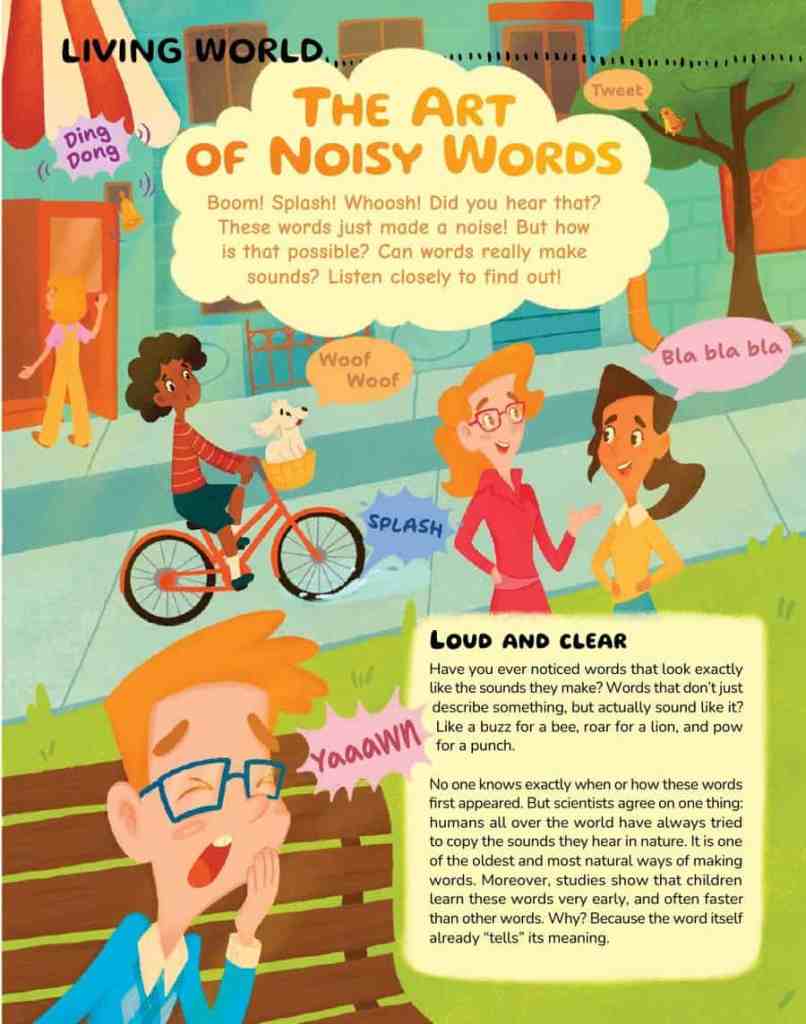
Onomatopoeia is the name for words that sound like the noise they describe, such as buzz, roar, boom and splash. People all over the world have always copied the sounds around them, and it is one of the oldest and most natural ways of making words.