
Spicy Food | We eat poison

We all know the feeling — some spicy dish attracted our attention, and we dared to try it, only to feel a fire starting in our mouths soon after. Some enjoy this feeling, while others avoid it. Some love the spiciness of red pepper, some prefer hot mustard or raw garlic, and others cannot imagine their plate without horseradish spices and sauces. Whatever it is we’re eating, this taste is the result of our body’s absorption of the spicy chemical weapons that evolution has given plants for protection.
The Lava Lamp
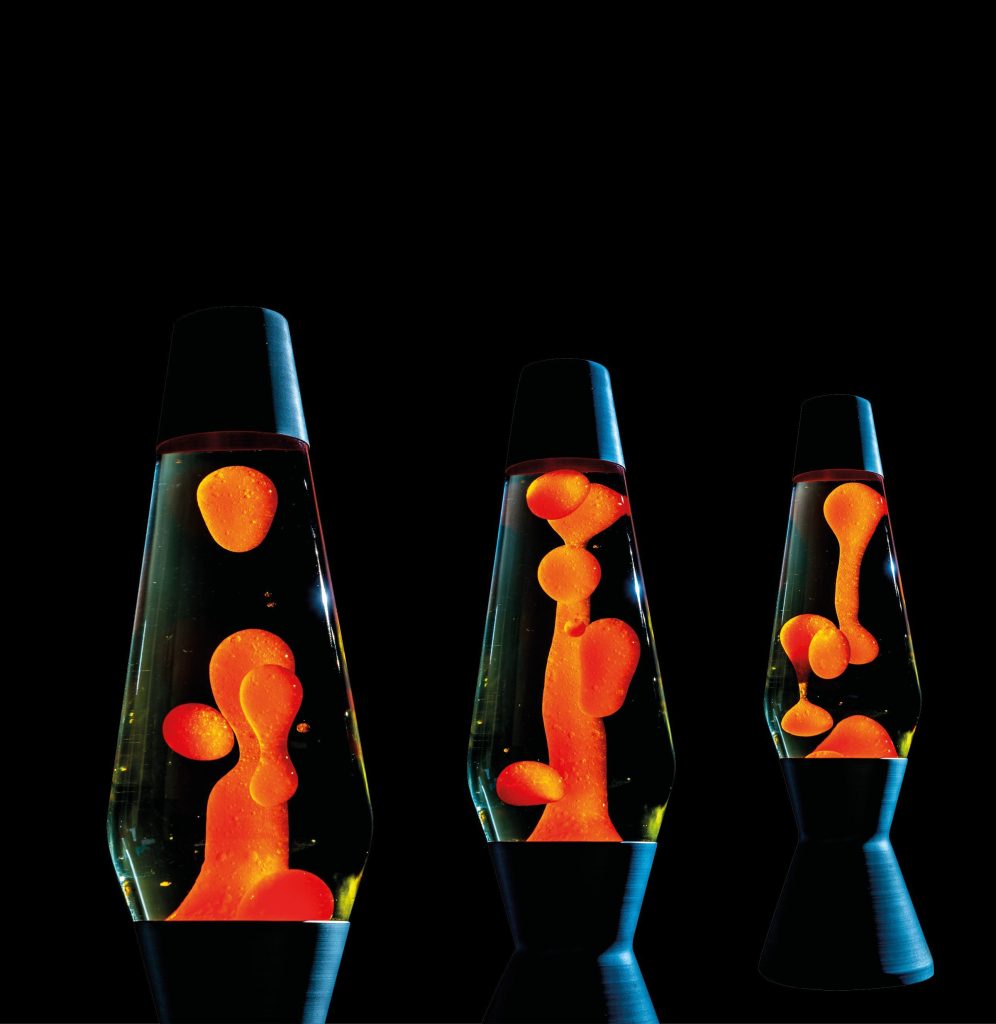
This iconic decorative lamp of the 60s is still well-known today. It’s not very functional, but it is hypnotic: the neon-bright “lava” inside grows and shrinks, soars and sinks, mesmerizing us like the flickering hearth that hypnotized our ancestors. Let’s follow the rise and fall of the lava lamp and make our own just from what we can find in the kitchen.
Everyday Combinatorics

Some claim that mathematics is merely an abstract science needed only in school. Arithmetic is seen as sufficient for everyday life — for counting money. What about the branch of mathematics known as combinatorics? It’s barely a part of the school curriculum, merely perceived as gymnastics for the mind, but it can be found everywhere — from the analysis of popular games, such as poker, to the creation of drugs.
Scientific Astrology

For a long time, people believed that the month of a person’s birth affects their destiny, that every day the stars and planets are arranged differently, and that this somehow changes the abilities and capabilities of an infant. Astronomical research has shown that celestial bodies have nothing to do with it, but some traits of health and character really do depend on someone’s date of birth. It’s all biology.
Frozen Man

In imaginings of the future in film and television such as Futurama or Alien, people are easily frozen for hundreds of years or placed into a state of “hypersleep” during flights to distant stars. Although these stories are still fictitious, somewhere on Earth several hundreds of frozen bodies are just waiting to be discovered. How does this freezing process work, and might we be able to one day bring them back to life?
Where did the meteorites go?
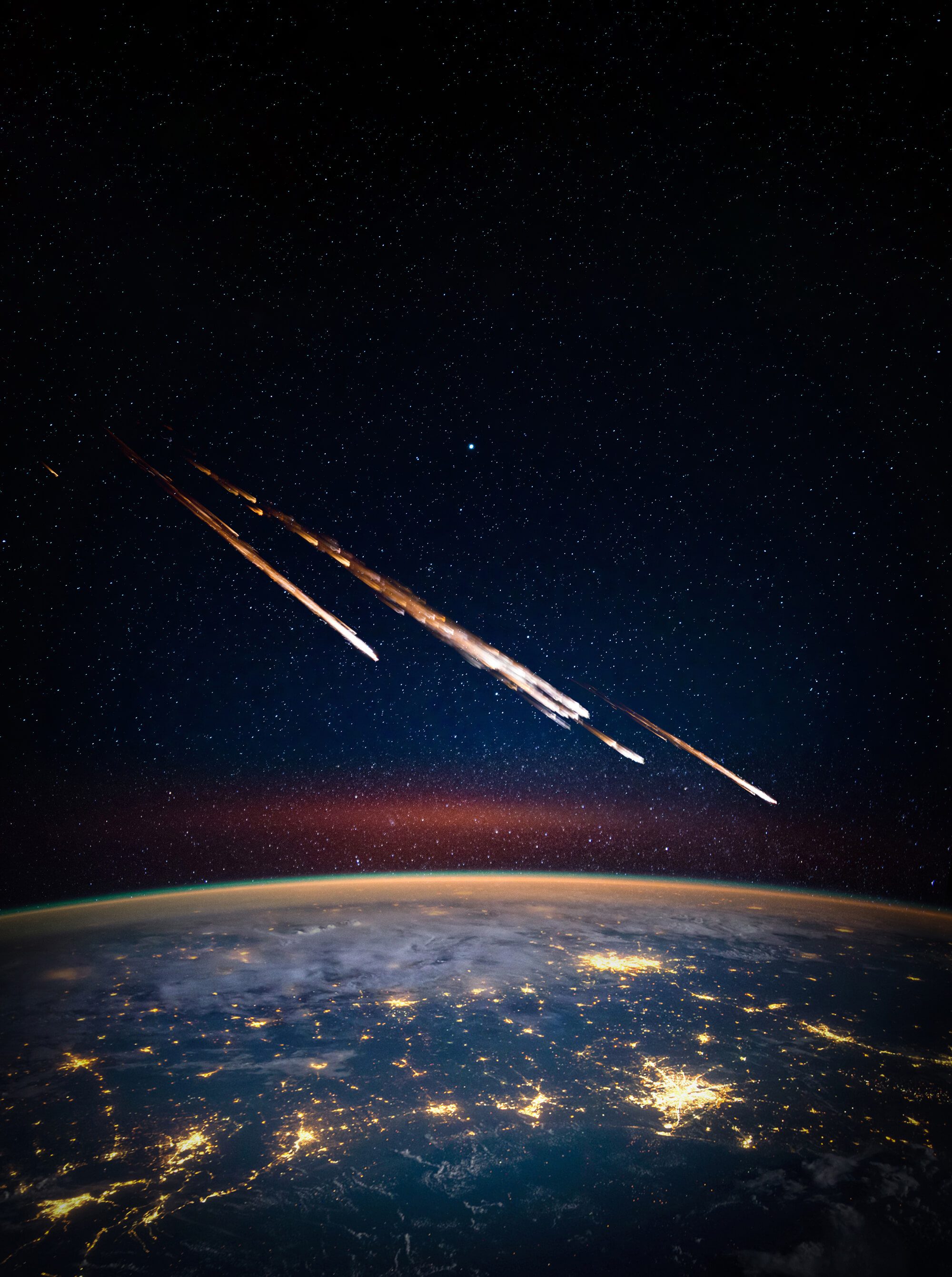
How can anyone say with certainty that we’ve never been visited by aliens from outer space? Thousands of meteorites have, at some point, made their way through space to fall literally at our feet. This month, we’re going to find out where humans discovered these extraterrestrial rocks, what threatens them today, and why just 200 years ago scientists didn’t even believe in their existence.
The Shape of Water
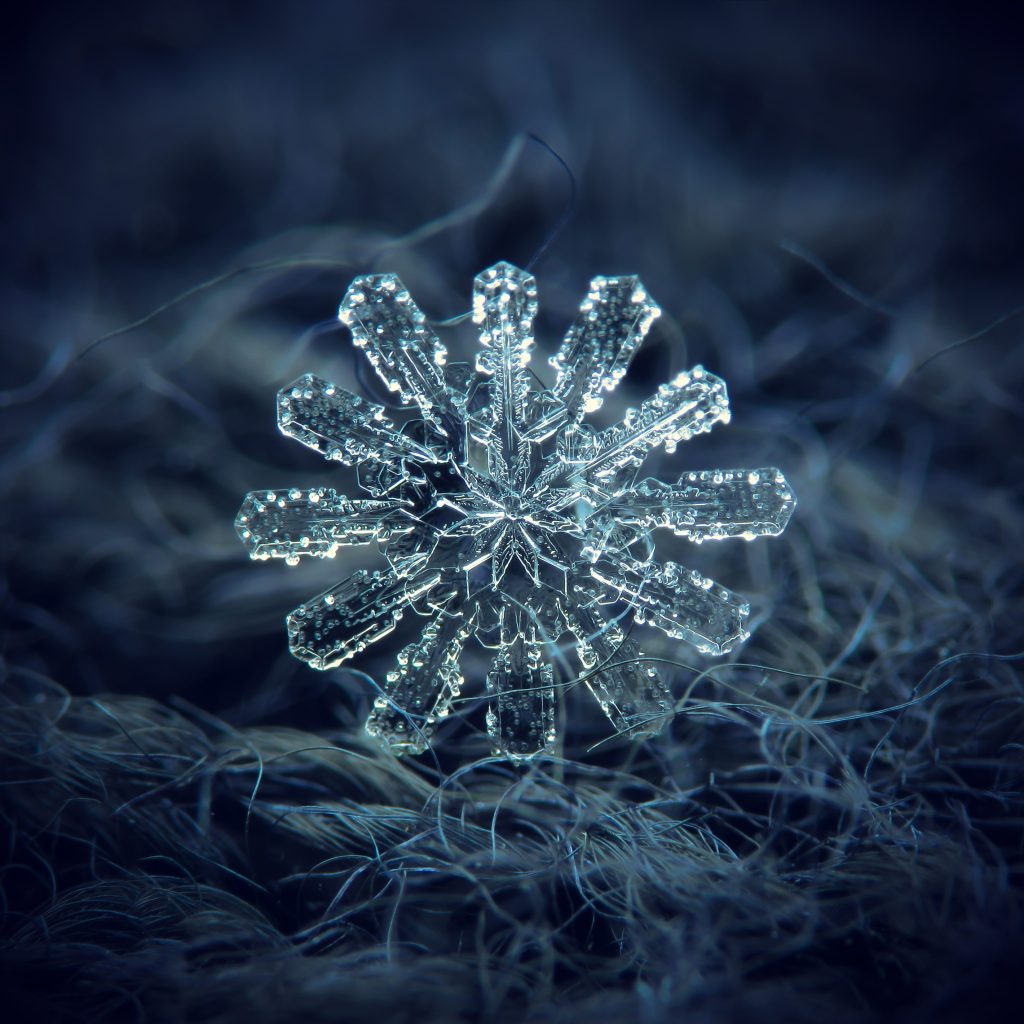
On January 28, 1887, the cavalry detachment guarding the banks of the Yellowstone River against the Great Sioux Nation was covered by an amazing snowfall. The weather had been warm, so one of the falling snowflakes quickly drew the attention of the General — at almost 15 inches in size, it is still thought to be the largest snowflake ever seen by humankind.
The Lost Vostok | The amazing journey
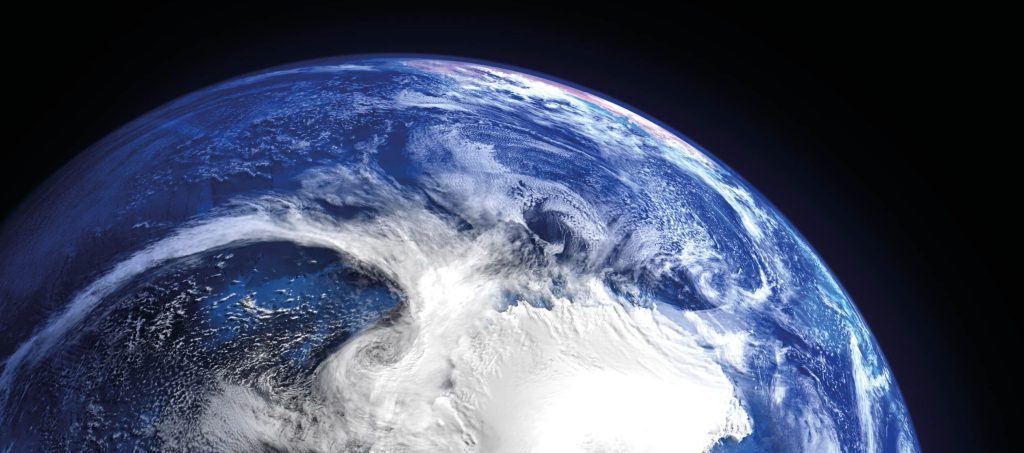
Dreamers’ visions of a forgotten world may become a reality. Only, this world is not lost in the vast expanses of South America but on the coldest continent: Antarctica. Deep beneath the ice, a giant lake is hidden, which was isolated from the outside world for millions of years. What awaits us at its bottom?
A Vegetable Garden without Soil
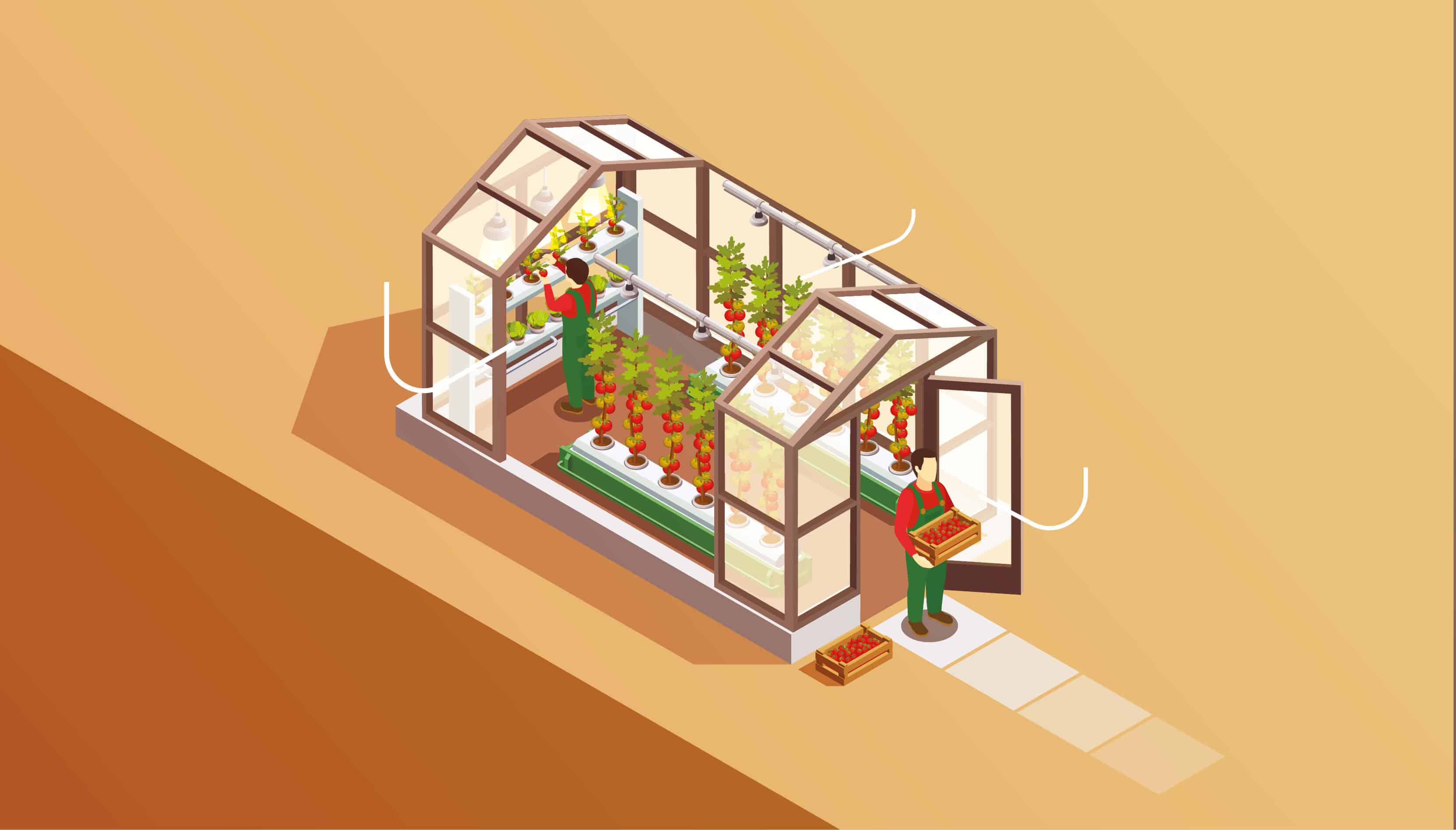
Science and technology don’t stand in place: scientists around the world work to ensure that the production of fresh and healthy foods is simple, cost-effective, and environmentally friendly. So, in place of classic garden beds and greenhouses comes hydroponics: growing plants in nutrient solutions without soil.
The Petri Dish and It’s Story

From the first antibiotics to the growth of stem cells, from observing micro- organisms to the testing of new medicines — it’s all possible thanks to the Petri dish, a short, flat cylinder cove- red with a transparent lid of a cor- responding shape. This humble glass plate has its own fascinating story.