

The Changing of the Seasons
There are cold times of the year, and there are warm ones. Some seasons are dry while others, conversely, are rich in precipitation. The availability of food varies from season to season. In most species, attraction to the opposite sex manifests itself only during a certain period — mating season. Its timing is such that young are born when food is easier to find or when the probability of encountering predators is minimized.
Humans are one of the few animals that can reproduce all year round, but, in fact, we do not take full advantage of the opportunity given to us by nature. Studies of indigenous people living in Northern Canada and Papua New Guinea have shown that many more babies are born in certain months than in others. The majority of the Canadian Inuit respondents had birthdays in January–June. That is, they were conceived in April–September, when the environment is warmer, food is abundant, and there is less cause for concern.
Traditions
The Abelam people of Papua New Guinea, though they live almost directly on the equator, where seasons essentially do not change, also appear to give birth unevenly. From August to December, men grow yams, a plant that forms edible tubers. This occupation is associated with many rituals and restrictions. In particular, contact between husbands and wives during the harvest is discouraged. Therefore, most Abelam are conceived from January to March and born from October to December.
Nutrition
A mother’s diet affects not only her ability to bear a child but also which substances the child will receive and how much of it will contain vitamins, proteins, and other nutrients. One of the most important actors in this context are monoamines. This class of compounds includes precursors of the main regulators of mood, behavior, and individual movements — serotonin and dopamine, as well as these regulators themselves. Therefore, people born in the same area during different seasons have different risks of developing neurological and mental diseases, as well as varying character traits.
Serotonin regulates behavior even in such seemingly primitive animals as mollusks. In 2015, scientists from the Karolinska Institute (Sweden) and the Koltzov Institute of Developmental Biology (Russia) showed that the “characteristics’’ of great pond snails depends on the season in which they hatch. Fall–winter individuals spend most of their time in search of food and do not like to travel long distances, while their spring and summer counterparts prefer to settle more actively, attaching themselves to mobile objects and moving around a lot. The pattern was found in snails whose ancestors lived in the laboratory for more than 40 years, so the changing of seasons did not affect them. In nature, though, this pattern seems absolutely logical — at the end of summer, there is a greater chance of attaching oneself to some kind of water bird, flying to another pond, and thus eliminating competition with its relatives. Closer to winter, when rivers and lakes freeze, such a journey is unlikely, and it’s unnecessary; it is easier to just wait out the famine season.
This difference in behavior is caused by seasonal fluctuations of serotonin content in the uterus of the parent snails. In summer it is at a maximum, and in fall it is minimal.
“Uterine” serotonin begins to affect the cells of snail embryos in the early stages of development when the nervous system has not yet formed. As the embryos mature, serotonin passes into the nerve cells and eventually remains there.
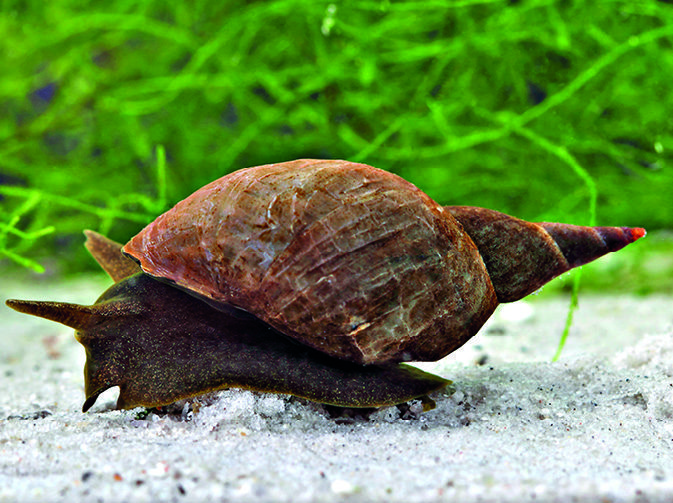
In humans, the level of serotonin during fetal development also affects exploratory behavior (as well as many other things). Females born in the Northern Hemisphere from October to January are highly likely to be drawn to new experiences. This was shown in studies conducted at the University of Umeå (Sweden) in 2002 and at two British universities (Newcastle and Open) in 2005. Apparently, the “hunt for a change of scenery” in adulthood is associated with the amount of serotonin, dopamine, and melatonin absorbed by the embryo during development.
Dopamine is released in a number of areas of the brain when the body experiences pleasure. In fact, dopamine is the chemical basis of our joy and happiness. Depending on how much dopamine is produced during a certain action, a person is more or less likely to repeat it. According to these studies, females born between October and January had noticeably higher dopamine levels when they found new sources of enjoyment, rather than repeating the same enjoyable activity.
Seasonal differences in the behavior of great pond snails

A chart explaining the differences in the behavior of snails born at different times of the year. In spring–summer, levels of serotonin in the cells of the uterus of a pond snail (shown in red) are very high. It affects the cells of the embryo (F1), determining its behavior and resettlement pattern. In nature, the descendants of these snails (F2) are not born in the same waters where their parents grew up. In fall–winter, the uterine serotonin levels (shown in pink) are much lower, meaning that these offspring are less mobile.
The lack of this regulator (while still in the mother’s womb) can lead to a person rarely experiencing joy and pleasure, even from themselves. For example, among those suffering from anorexia nervosa (pathological low body weight due to constant malnutrition or fasting for weight loss), a higher percentage is born in March–June and lower proportions are born in September–October.
These are the results of a study conducted by Oxford University researchers in 2011. Patients with anorexia nervosa have low self-esteem: they are rarely satisfied with their appearance. The reason for this may be a lack of dopamine or the inability of cells (due to lack of the necessary receptors) to perceive it. This could be caused by a shortage of dopamine precursors in the mother during crucial months of the baby’s intrauterine development.
The Length of Daylight
You’ve probably noticed that in fall, everything gets a little dreary and sad because you can hardly see the Sun through the clouds. In spring and in summer, everything is happier and more enjoyable. The times of sunrise and sunset can affect both infants and unborn fetuses. After all, the processes of some biochemical reactions depend on the level of illumination.

1. Vitamin D
Among these reactions is the production of vitamin D — fat-soluble organic substances with relatively small molecules. Vitamin D precursors not only enter the body via food but are also contained in the human skin. Under the influence of ultraviolet radiation, they turn into the vitamin itself, that is, cholecalciferol (D3) or other compounds. Vitamin D is necessary for the development of the musculoskeletal system, primarily bones. If, in the first years of life, its levels are insufficient — for example, a child living at high latitudes, where there is very little sun during the winter and food contains less vitamin C — an organism can develop rickets. In this disease, the bones are less durable and start to bend due to a lack of mineral substances. To prevent rickets, vitamin D-containing supplements should be taken, along with spending at least 20–30 minutes every day in the sun. Specifically, one must go outside to absorb the light rather than looking out the window — most windowpanes impede ultraviolet light, without which vitamin D is not formed.
Sources of vitamin D
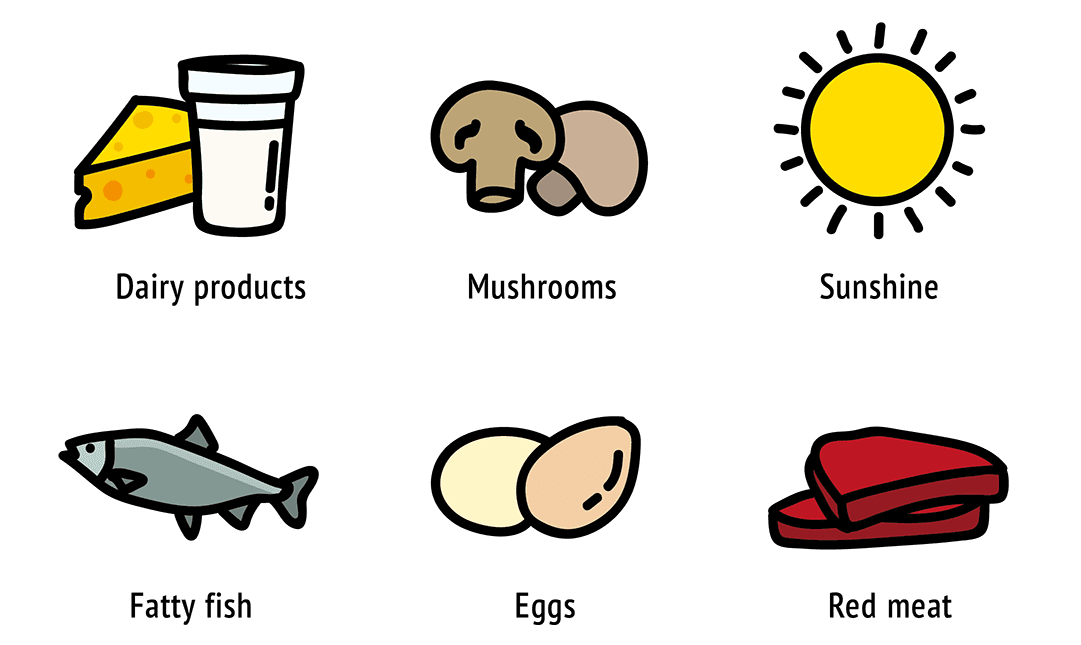
The relationship between the sun and vitamin D in unborn babies is indirect. The skin of the fetus cannot synthesize this vitamin, because it is in the dark, in the womb of the mother. So what matters is the level of cholecalciferol and similar substances in the pregnant mother’s body.
2. Melatonin
The word “melatonin” resembles “serotonin,” and for good reason: melatonin is formed directly from serotonin. As it turns out, the more of the first is present, the less you have of the second. The body produces melatonin mainly in the dark — that is, it is more abundant in winter (and serotonin is scarcer). In the summer, the opposite is true.

Melatonin passes through the placenta and affects the development of the sympathetic nervous system of the fetus, responsible for the reaction of fight or flight. Apparently, this is why inhabitants of the Northern Hemisphere who are born in May are more likely to be extremely shy at the age of 2–7 years. After all, in the middle of their intrauterine development (that is, in December), daylight is the shortest. On the contrary, North Americans and Eurasians born in November suffer from shyness less often than others. In the Southern Hemisphere, the quiet ones often turn out to be the November children. These are the findings of scientists from the University of Otago (New Zealand), published in 2004.
3. Insulin-like Growth Factor
This is a signaling substance that stimulates weight gain and the size of a fetus. Its synthesis, as in the case of vitamin D, is assisted by sunlight. It is especially important how much light the expectant mothers receive in the first three months of pregnancy. For those who give birth in late winter and early spring, the first trimester falls in May–July, the months with the longest daylight hours. Therefore, those born in February, March, and April, in general, weigh more. This is true for the inhabitants of the Northern Hemisphere; in the Southern Hemisphere, similar indicators are observed in children born from August to October. This data was collected by researchers from the University of Otago — the authors of the work about melatonin.

4. Training the Visual System
What we see directly depends on the amount of light coming into our eyes. The visual system of a newborn is not yet fully developed, and in the first months of life, it matures — learns to recognize objects of a variety of shapes. As it turned out, this is the same for colors. Those who spent their childhood beyond the Arctic Circle (an imaginary line at 66 degrees, 32 minutes north latitude) distinguish colors, especially purple and red, better when born in the summer. This was discovered in 2007 by Norwegian scientists from the Universities of Oslo and Tromsø, working with residents of Tromsø. It is located 69.7 degrees north of the equator, and from mid-May to the end of July, the sun does not set there at all. Light bulbs and other sources of artificial lighting, of course, at this time are not needed, so the brain receives an undistorted color picture.
A similar study in the Southern Hemisphere has not been conducted, as no one lives permanently beyond the southern Arctic Circle. Rather, its human population stays there for work for periods of several months at Antarctic stations.
5. Physics
It’s not clear in all cases what kind of biochemical processes are taking place in the bodies of fetuses and newborns in response to changes in daylight, but one thing is clear: something is definitely changing.
One evidence of this is the increased rate of myopia (nearsightedness) among Northern Hemisphere residents born in June and July. This correspondence was revealed in several scientific works, including a large-scale study in 2008 which involved the participation of nearly 300,000 Israeli respondents of both sexes.
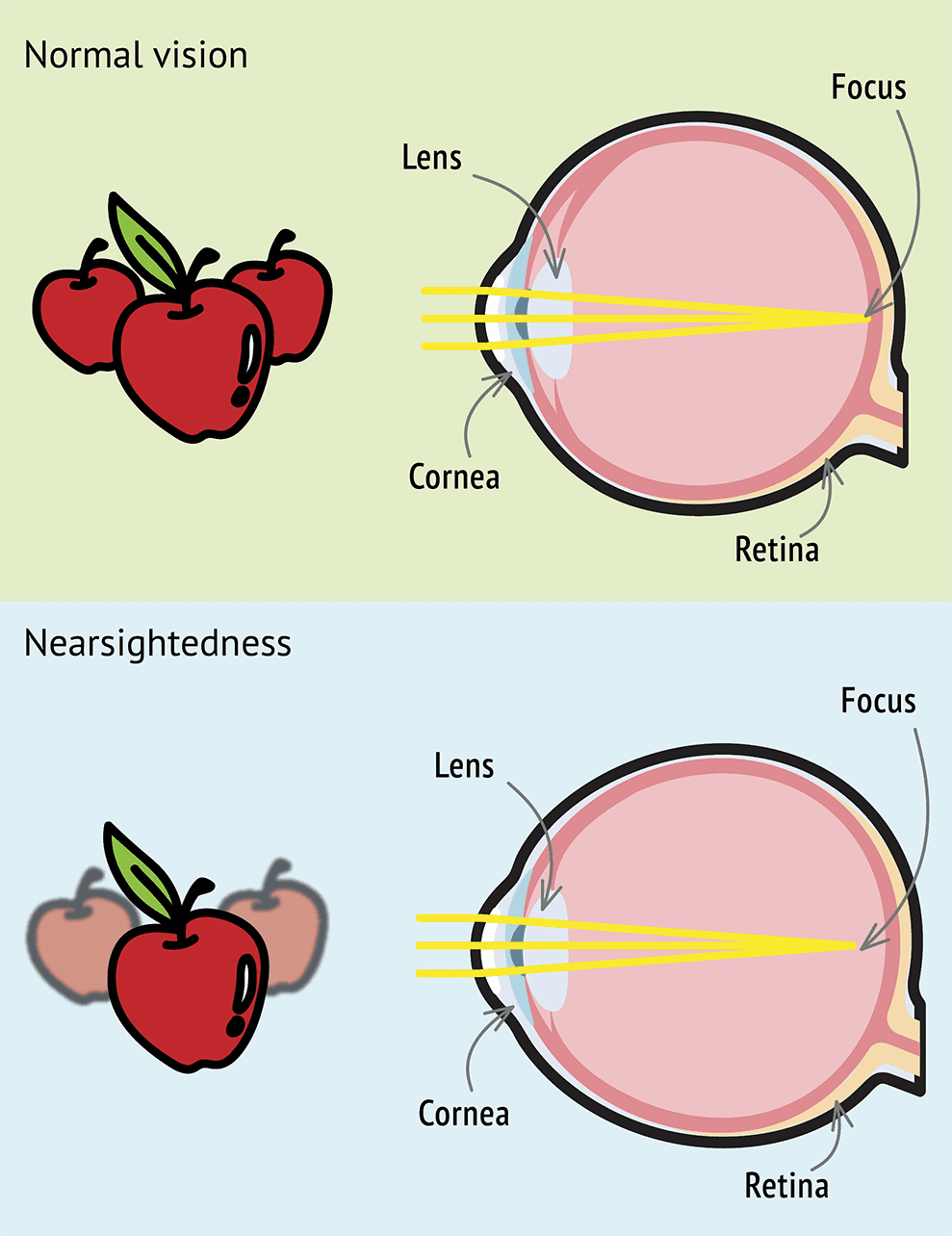
Scientists from almost a dozen universities in Israel suggest that the matter is in changes of the proportions of the eyeball, provoked by light in the first weeks after birth. Studies on chickens raised in different periods of daylight (we’re specifically referencing the work of biologists from Queensland and New York, published in 1997), show that excess sunlight elongates the eyes, causing the display to focus not on the retina but directly in front. Therefore, to sharpen focus, the near-sighted have to move closer to the objects or move objects closer to them. Interestingly, moderate and weak myopia do not correlate with the duration of daylight at birth, only strong myopia.
Thus, the probability of birth in a particular month depends on the particular society and its customs, as well as on the climate. The month of birth — or rather, the conditions under which the fetus developed and the baby grew — affects the state of immunity, body size, the overall speed of development, and much more.
However, when we link the two phenomena, it is important to remember that cause and effect cannot be identified in all cases. Quite often we deal with correlation — events occur simultaneously or follow each other not because one affects the other but because they coincide with one another. Therefore, not every marked correspondence between a character trait or physiological feature and the month of birth is of scientific importance.

Life is changing continuously and rapidly. The climate is getting warmer, which means that differences in the growth and development of children born in the first and second half of the year may gradually smooth out. With the development of science and technology, medical care is becoming more affordable, and food is growing cheaper. These factors have already influenced scientific “astrology.” Though at the beginning of the 20th century the dependence of risk of depression on the month of birth was expressed very clearly, in the same states today there is almost no difference in the probability of the disease in May and December children. Scientists associate this change with an increase in the overall standard of living. Today, Americans, like people in many other countries, are less dependent on the local harvest — food can be brought in from other regions.
The only thing that does not change is the length of the day at one point on the globe. Presumably, patterns of human development closely related to this factor will persist longer than others.
<svg xmlns="http://www.w3.org/2000/svg" xmlns:xlink="http://www.w3.org/1999/xlink" id="Layer_1" x="0px" y="0px" viewBox="0 0 597.03 475.39" style="enable-background:new 0 0 597.03 475.39;" xml:space="preserve"><style type="text/css"> .st0{clip-path:url(#SVGID_00000021828697454809692600000004318893268413411000_);fill:#54A7B7;}</style><g> <defs> <rect id="SVGID_1_" x="63.22" y="2.39" width="470.59" height="470.65"></rect> </defs> <clipPath id="SVGID_00000125586198135712050590000014503595150480814249_"> <use xlink:href="#SVGID_1_" style="overflow:visible;"></use> </clipPath> <path style="clip-path:url(#SVGID_00000125586198135712050590000014503595150480814249_);fill:#54A7B7;" d="M352.92,237.74 c0-30.06-24.38-54.38-54.38-54.38c-30.06,0-54.38,24.32-54.38,54.38c0,30.01,24.32,54.38,54.38,54.38 C328.54,292.12,352.92,267.74,352.92,237.74 M440.15,237.74c0,78.06-63.55,141.62-141.62,141.62 c-78.12,0-141.62-63.55-141.62-141.62c0-78.12,63.5-141.62,141.62-141.62C376.6,96.12,440.15,159.61,440.15,237.74 M533.83,237.74 c0-129.78-105.58-235.3-235.3-235.3c-129.78,0-235.3,105.52-235.3,235.3s105.52,235.3,235.3,235.3 C428.26,473.03,533.83,367.51,533.83,237.74"></path></g></svg>