The History of Hydroponics
    The idea of growing plants without soil is not new. Back in 1699, the English naturalist <a style="orphans: 2; widows: 2; background-color: #ffffff;" href="https://en.wikipedia.org/wiki/John_Woodward_(naturalist)"><b><u>John Woodward</u></b></a> described his experiments growing peppermint in a soilless environment. The plant died in desalinated, distilled water, but it continued to grow in untreated water. Probably, Woodward reasoned, the mint extracts something from the water that is necessary for growth.<p style="box-sizing: border-box; margin-top: 0px; margin-bottom: 0.9rem; font-family: 'PT Sans'; color: #0c0c0c; font-size: 20px; font-variant-ligatures: normal; font-variant-caps: normal; letter-spacing: normal; orphans: 2; text-align: start; text-indent: 0px; text-transform: none; white-space: normal; widows: 2; word-spacing: 0px; -webkit-text-stroke-width: 0px; background-color: #ffffff; text-decoration-thickness: initial; text-decoration-style: initial; text-decoration-color: initial;">Now we know that the plant needs many mineral substances for normal growth and development, including <i>calcium (<b>Ca</b>), iron (<b>Fe</b>), potassium (<b>K</b>), magnesium (<b>Mg</b>), phosphorus (<b>P</b>), and sulfur (<b>S</b>)</i>. Plants take them from the soil (some predators, like Venus flytraps, get them from the bodies of their victims), but for this, there must be water in the soil to dissolve the mineral substances, making them accessible to the roots. Plants without soil, they just require mineral substances from it. Woodward’s experiments gave rise to much reflection, but, until the beginning of the 20th century, the cultivation of plants without soil remained an area of exclusively scientific interest.</p>
                                    <figure>
                                    <img width="800" height="600" src="https://oyla.us/wp-content/uploads/2023/06/image-05.jpg" alt="Garden without soil" />                                         <figcaption>The idea of hydroponics is that soil is not an obligatory companion of plants, but is rather just support for it. Therefore, the substrate can have many different compositions — coconut fiber, sawdust, mineral wool, crushed stone, expanded clay, etc. It is only important that it conducts moisture well, allows air to circulate, and does not chemically react with the nutrient solution. By the way, moist air can also serve as a substrate (this is called aeroponics)</figcaption>
                                    </figure>
    <h3>Plants without soil | The Evolution of Hydroponics</h3><p style="box-sizing: border-box; margin-top: 0px; margin-bottom: 0.9rem; font-family: 'PT Sans'; color: #0c0c0c; font-size: 20px; font-style: normal; font-variant-ligatures: normal; font-variant-caps: normal; letter-spacing: normal; orphans: 2; text-align: start; text-indent: 0px; text-transform: none; white-space: normal; widows: 2; word-spacing: 0px; -webkit-text-stroke-width: 0px; background-color: #ffffff; text-decoration-thickness: initial; text-decoration-style: initial; text-decoration-color: initial;">In the 1930s, American biologist <a href="https://siarchives.si.edu/collections/siris_arc_383352"><b><u>William F. Gericke</u></b></a> brought hydroponics out of the laboratory and into the light. He insisted that growing plants on a large scale without soil, but instead on nutrient solutions, is not only possible but also makes a lot of sense. His colleagues were skeptical about this idea at first, but when Gericke showed them tomato shrubs a few yards tall that were grown with an aqueous solution of mineral substances, they changed their mind.</p><p style="box-sizing: border-box; margin-top: 0px; margin-bottom: 0.9rem; font-family: 'PT Sans'; color: #0c0c0c; font-size: 20px; font-style: normal; font-variant-ligatures: normal; font-variant-caps: normal; letter-spacing: normal; orphans: 2; text-align: start; text-indent: 0px; text-transform: none; white-space: normal; widows: 2; word-spacing: 0px; -webkit-text-stroke-width: 0px; background-color: #ffffff; text-decoration-thickness: initial; text-decoration-style: initial; text-decoration-color: initial;">The University of California, where Gericke worked, even allocated huge areas for such experimental greenhouses. He called his revolutionary method “aquaculture,” but there was some confusion: the word was already in use for the breeding of aquatic organisms (fish, algae, mollusks). It was then that he introduced a new term— <b><a href="https://en.wikipedia.org/wiki/Hydroponics">hydroponics</a></b>— which we still use to this day, as it carries the understanding that this is the cultivation of plants using nutrient solutions and without soil.</p>
The first mention of the commercial use of hydroponics was in 1938 when Time magazine published an article about tiny Wake Island in the Pacific Ocean, where Pan American Airways planes landed for refueling. Among other things, the article said that barrels with mineralized water, in which beans, tomatoes, and other vegetables were grown, were installed on the island. This food was intended for the aircraft crew. During World War II, there were more of these kinds of farms: the military needed fresh vegetables, and it was difficult to deliver them. Today, hydroponics is widely used all over the world. For example, NASA is studying the possibility of growing vegetables on a spaceship in a closed ecological life-support system. The success of such an experiment will lead to new prospects for space travel.

Plants without soil | Why hydroponics?
Does not require soil

Simple technology

Year-Round Harvests

Control

Eco-friendly

Water-efficient

Why Water is Better than Soil
Humankind has been growing fruit and vegetables for thousands of years. Why spend money on technological development when you can just stick a plant in the ground? Because hydroponics has a lot of advantages. It gives us the opportunity to grow food in places where traditional agriculture is impossible. In arid climates, like Israel and Egypt, hydroponics has been used for several decades.
Thanks to this method, it became possible to purchase locally-produced food on the market, rather than importing these products from other countries at a high cost. Similarly, hydroponics are needed where space is limited, even for humans. For example, in Bermuda, these systems occupy only 20 % of the amount of land that would be required for crops. In regions that are cold and have few sunny days, hydroponics allows you to harvest a high yield of local vegetables and fruits. In cities with poor ecology, the cultivation of plants without soil solves several problems at once: greenery appears, which is typically rare in densely built-up areas, and along with it, food products start to grow in homes and offices, which leads to almost unlimited access to fresh, healthy food.

The Environmental Benefits of Hydroponics
The deciding argument in favor of hydroponics is the high environmental friendliness of this type of agriculture. The water circulates in a closed system: it passes through purification systems, is enriched with nutrients, and again flows to the plants. This is extremely important for areas where there is little water, such as in the Middle East and parts of Africa. Besides, almost no pesticides are required: the conditions on farms are practically sterile, and hydroponics require only about 25 % of the amount of fertilizer necessary for growing plants in soil. This approach saves money and contributes to the preservation of the environment. Finally, since the food is grown on-site, there is no need for it to be transported — again, both the producer and nature benefit.
Vertical farms
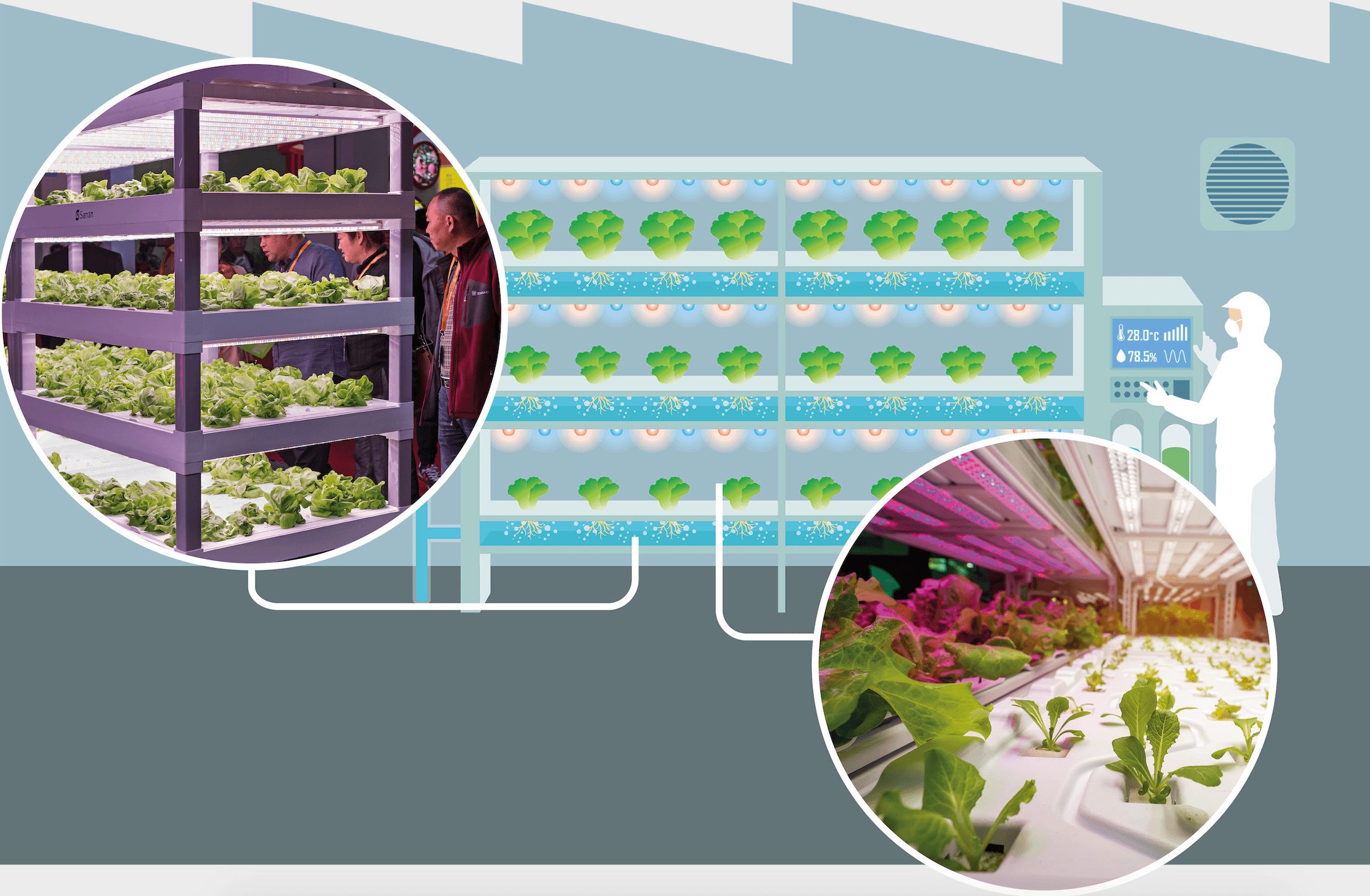
In the near future, the growth of the world’s population will lead to a shortage of arable land. Vertical farms allow us not only to abandon soil but also to use space economically, placing hydroponic installations in several tiers.
Plants without soil | The Structure of Hydroponic Farms
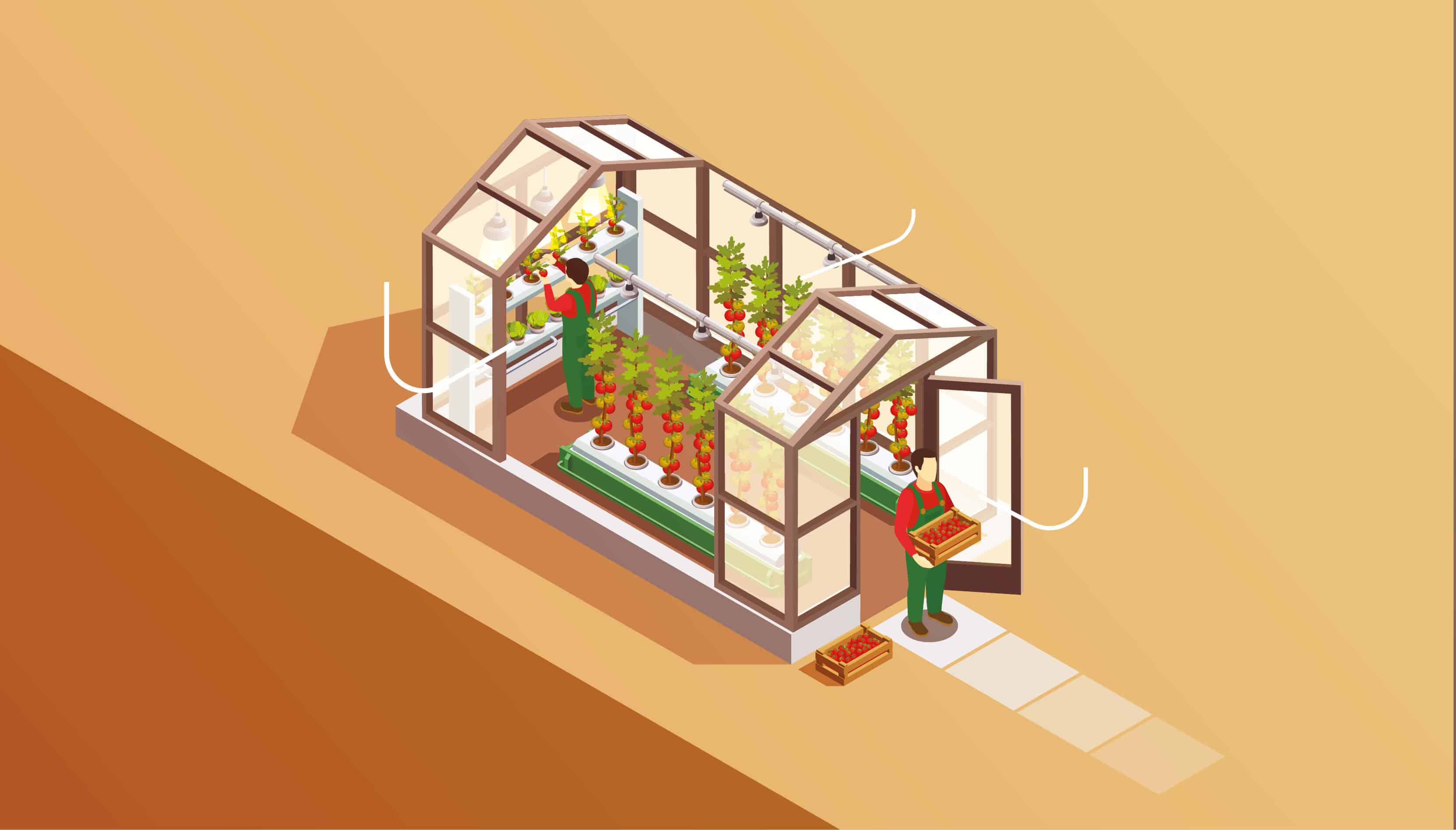
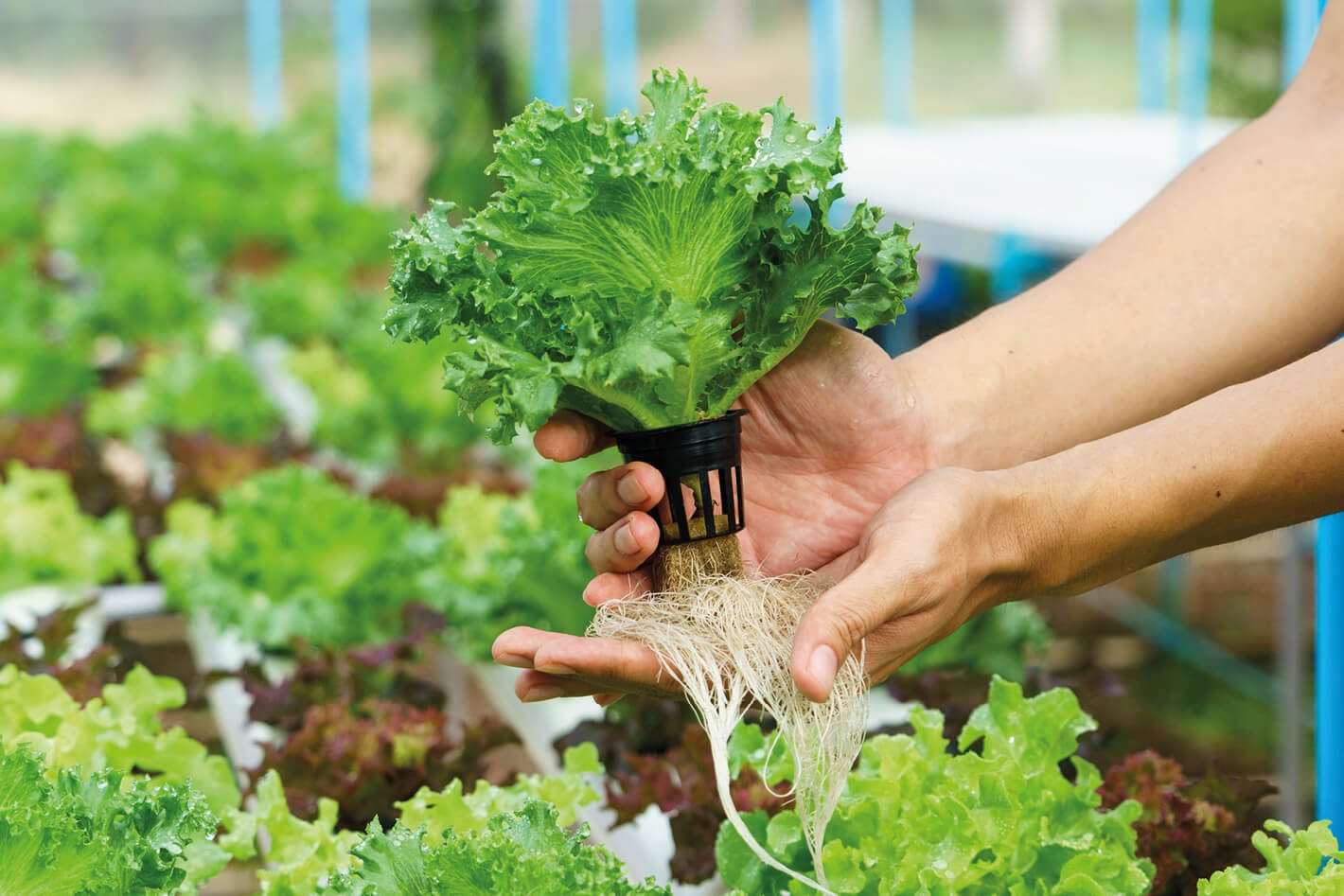
Hydroponic farms resemble conventional greenhouses but use shelves with nutrient-filled grooves instead of beds. Seeds incubate until shoots appear, then move to the farm. With roots directly in the nutrient solution, plants absorb vital substances easily, resulting in minimal root growth.
How does a hydroponic system work?

All organic substances synthesized by the plant are used for growing shoots, leaves, and fruits, resulting in rapid growth. A salad bush takes a few months in soil but only 30 days in hydroponics. Achieving a large crop requires controlling various factors. Dozens of greenhouse sensors monitor water acidity, electrical conductivity, temperature, humidity, brightness and CO2 levels.
Well-designed heating systems located near the plants create a uniform temperature regime around the plant and enhance gas exchange. Artificial lighting allows you to control the development of plants, to accelerate or slow down flowering, and to affect the maturation process. All you have to do is extend daylight and the development of long-day plants will accelerate, which means that the harvest can be collected much earlier. Knowing exactly how each part of the light spectrum operates on cultivated plants, scientists and engineers have created phytolamps that emit light in the red and blue regions of the spectrum. Conditions are created to enable the maximum intensity of photosynthesis, and plants begin to grow faster. The conditions in the greenhouses are so conducive to growth that the plants grown in them are always beautiful, bright, and juicy, just like in the pictures.
How Do You plant a Hydroponic Garden at Home?
Materials:
- A young, healthy plant (it will adapt more easily to a new habitat)
- A planter (must be opaque; otherwise algae will start to grow and not let water pass through)
- An inner plastic pot with drain holes (to allow air and nutrient solution in); it should be able to sit “suspended” in the outside pot
- A substrate of expanded clay (you can buy this in a flower shop)
- A hydroponics nutrient solution (you can buy this in a flower shop as well)
- Clean, room-temperature water
- Water level indicator
Method:

1. The day before the transplant, water the plant well. Thoroughly rinse the roots with warm water, so that they do not have any soil left on them. Remove rotten and damaged roots.
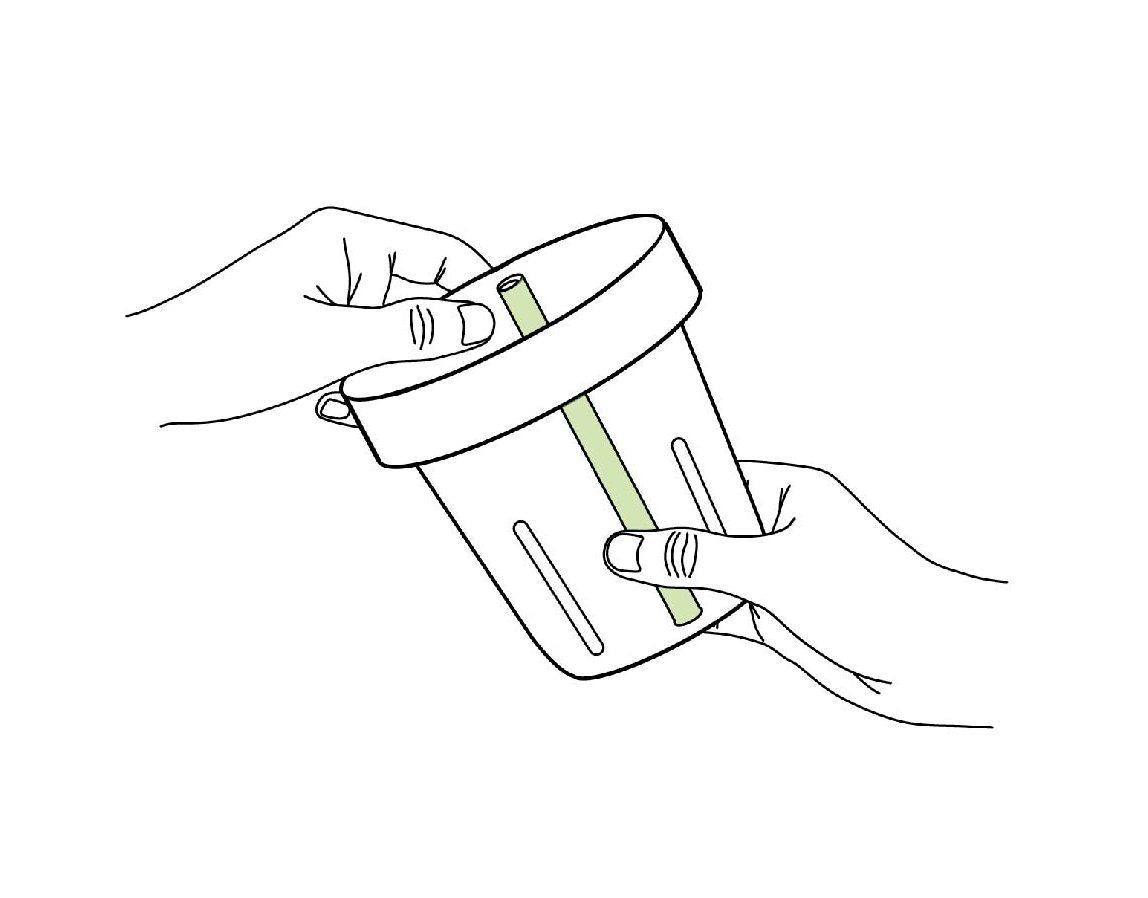
2. Insert the indicator into the inner pot.
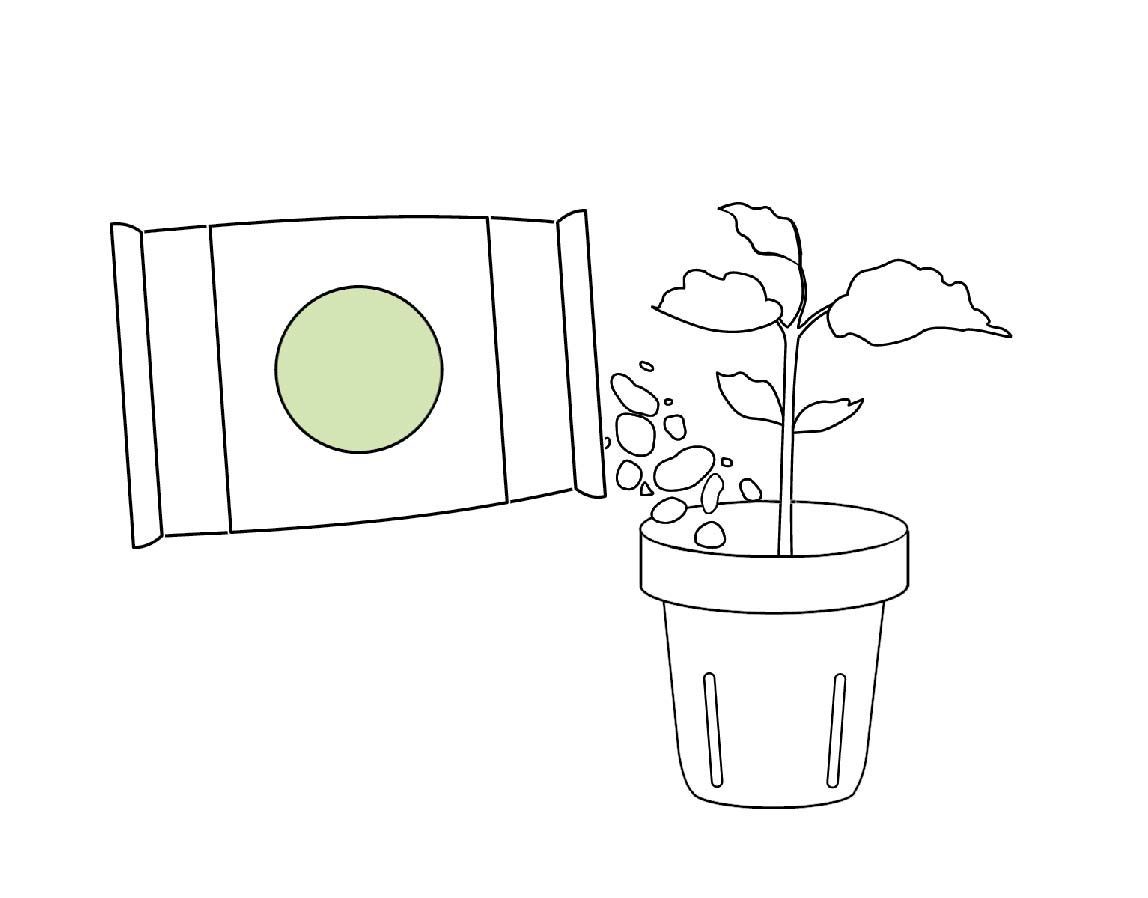
3. Spread the roots of the plant and surround them with expanded clay.

4. Place the inner pot inside the external one and pour clean, room-temperature water into the outer pot. If you immediately pour a nutrient solution, the plant will be under stress and may die.

- Place the pot in a warm, bright spot, avoiding direct sunlight. After a week, water with hydroponic solution until it fills one-third of the inner pot, monitoring the water level on the indicator.
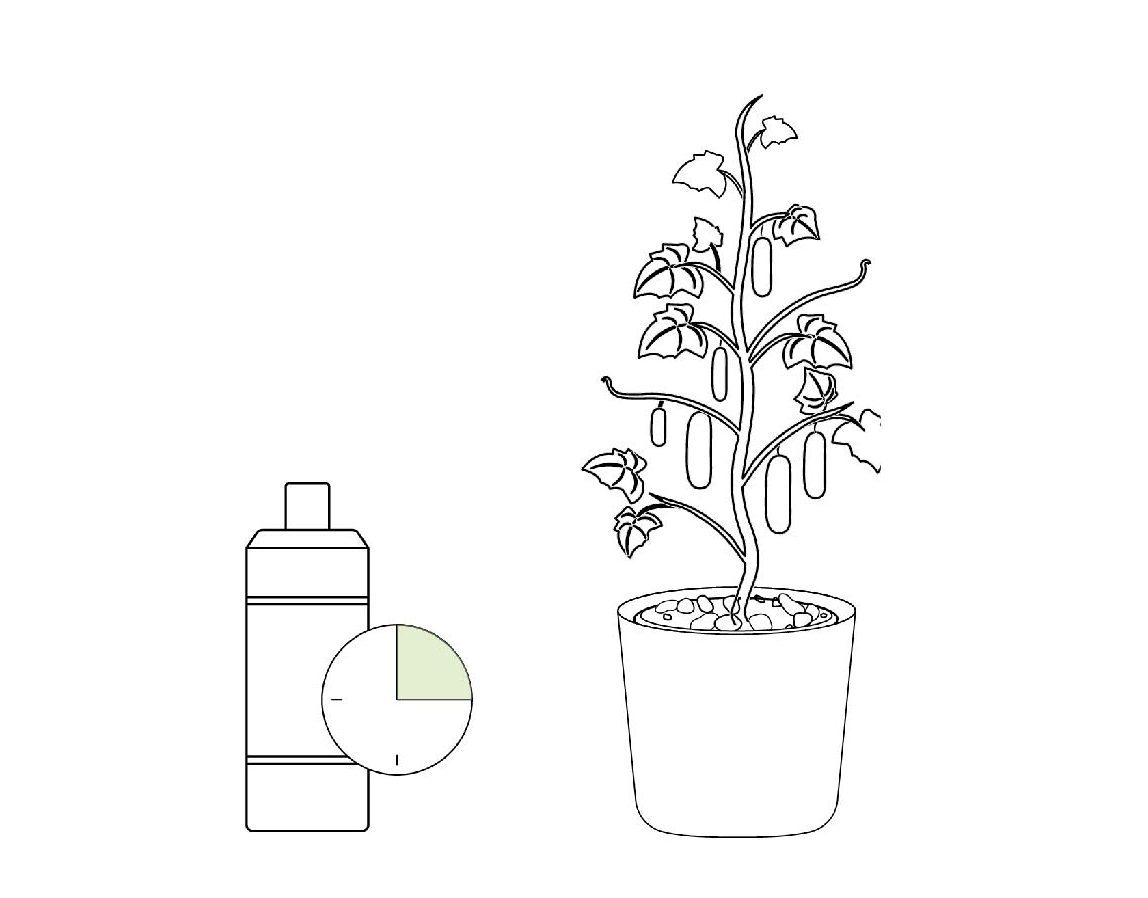
- Change the solution monthly in summer and every 5-8 weeks in winter, unless otherwise instructed. Gradually transplant the plant into a larger pot.
Post on topic: Growing plants without soil.
Did you like the post? We invite you to read our other topics in Education category.
Follow us on Instagram.
<svg xmlns="http://www.w3.org/2000/svg" xmlns:xlink="http://www.w3.org/1999/xlink" id="Layer_1" x="0px" y="0px" viewBox="0 0 597.03 475.39" style="enable-background:new 0 0 597.03 475.39;" xml:space="preserve"><style type="text/css"> .st0{clip-path:url(#SVGID_00000021828697454809692600000004318893268413411000_);fill:#54A7B7;}</style><g> <defs> <rect id="SVGID_1_" x="63.22" y="2.39" width="470.59" height="470.65"></rect> </defs> <clipPath id="SVGID_00000125586198135712050590000014503595150480814249_"> <use xlink:href="#SVGID_1_" style="overflow:visible;"></use> </clipPath> <path style="clip-path:url(#SVGID_00000125586198135712050590000014503595150480814249_);fill:#54A7B7;" d="M352.92,237.74 c0-30.06-24.38-54.38-54.38-54.38c-30.06,0-54.38,24.32-54.38,54.38c0,30.01,24.32,54.38,54.38,54.38 C328.54,292.12,352.92,267.74,352.92,237.74 M440.15,237.74c0,78.06-63.55,141.62-141.62,141.62 c-78.12,0-141.62-63.55-141.62-141.62c0-78.12,63.5-141.62,141.62-141.62C376.6,96.12,440.15,159.61,440.15,237.74 M533.83,237.74 c0-129.78-105.58-235.3-235.3-235.3c-129.78,0-235.3,105.52-235.3,235.3s105.52,235.3,235.3,235.3 C428.26,473.03,533.83,367.51,533.83,237.74"></path></g></svg>