Slow Down Time
There are many reasons we might want to freeze a human being — for example, perhaps someone we know is suffering from an untreatable disease, the cure for which will only be invented a couple of decades into the future. Meanwhile, the patient’s body is being ravaged by illness now. If only we could push pause on their life until the day arrives that doctors will be able to save them!
We can think of other situations that are much more common than incurable diseases, like car crashes, severe injuries, strokes, and heart attacks. In all of these cases, you have to save the victim very quickly, and if we were able to suspend all of the processes in their bodies, it would help to buy us more time.
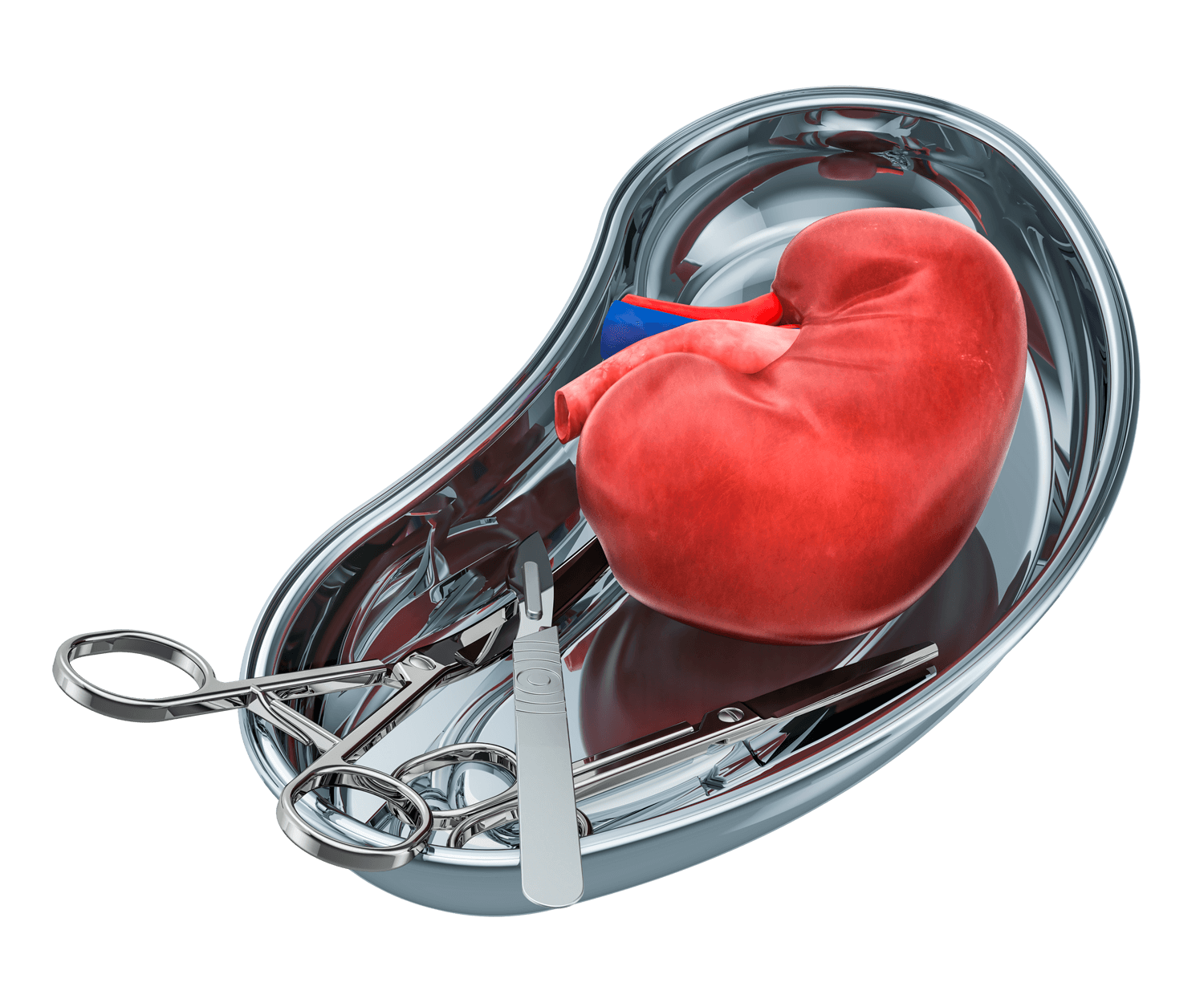
The storage of donor organs presents a big problem. Often, they must be transported from far away, and sometimes the recipient is not ready for surgery upon an organ’s arrival, so the doctors have to wait a few days to start a transplant. Unfortunately, most organs cannot be kept intact for more than a few hours. Only recently, scientists succeeded in keeping a liver “alive” for two days — a transplant, however, was not attempted.
The Challenges of Whole-Body Freezing
Though scientists have long known how to store cells and tissues with the help of liquid nitrogen, freezing an entire body is not an easy task. A cell is a soup made up of lots of different molecules, so it freezes unevenly. At temperatures below freezing, water collects into crystals in the intercellular substance, and the cells shrivel. Returning them to their original state is hard to pull off: ice crystals are very sharp — a large one can burst a blood vessel, while a smaller one can destroy cells. Thus, total freezing works well only for very small objects, like individual cells.
Ice Is Dangerous



If you take 185 gal of room-temperature nitrogen, compress and cool it to –319 °F, you’ll end up with just 0.26 gal of liquid. In liquid nitrogen, you can quickly freeze cell cultures, embryos, or tissue fragments. Frozen specimens are stored inside special “thermoses” — cryogenic storage dewars that maintain low temperatures with thermal insulation. This works out to be much more reliable and affordable than keeping specimens in refrigerators.
What We Can Do
Cryopreservation (from the Greek kryos, meaning “cold”) is used in the preservation of germ cells, thanks to which we know that the process of freezing itself can be quite safe. The record holders in this regard are the spermatozoa of the Australian Merino breed of sheep, specimens of which have lain in liquid nitrogen for 50 years and are still used for breeding purposes today.
We also know how to freeze ova, or egg cells, even though they are much larger. This can be useful, for example, if a young person wants to keep their eggs healthy in order to give birth to a child at a more mature age. They do so by undergoing hormonal stimulation — several eggs are matured and released at once inside their body, which are then cryopreserved so that, in a few years, they can be defrosted and artificially fertilized. In rare cases, even immature eggs can be frozen, such as in the case of a patient with cancer.
If they need radiation therapy, there is a chance their eggs may die, but stimulating them with hormones is often unsafe — it could accelerate the growth of tumors. So, the patient’s immature eggs are collected, which can later be thawed and placed back inside the ovaries after any tumors have disappeared, or they can be grown outside of the patient’s body in a laboratory.
How Are Egg Cells Preserved?

Water is partially removed from the egg or embryo
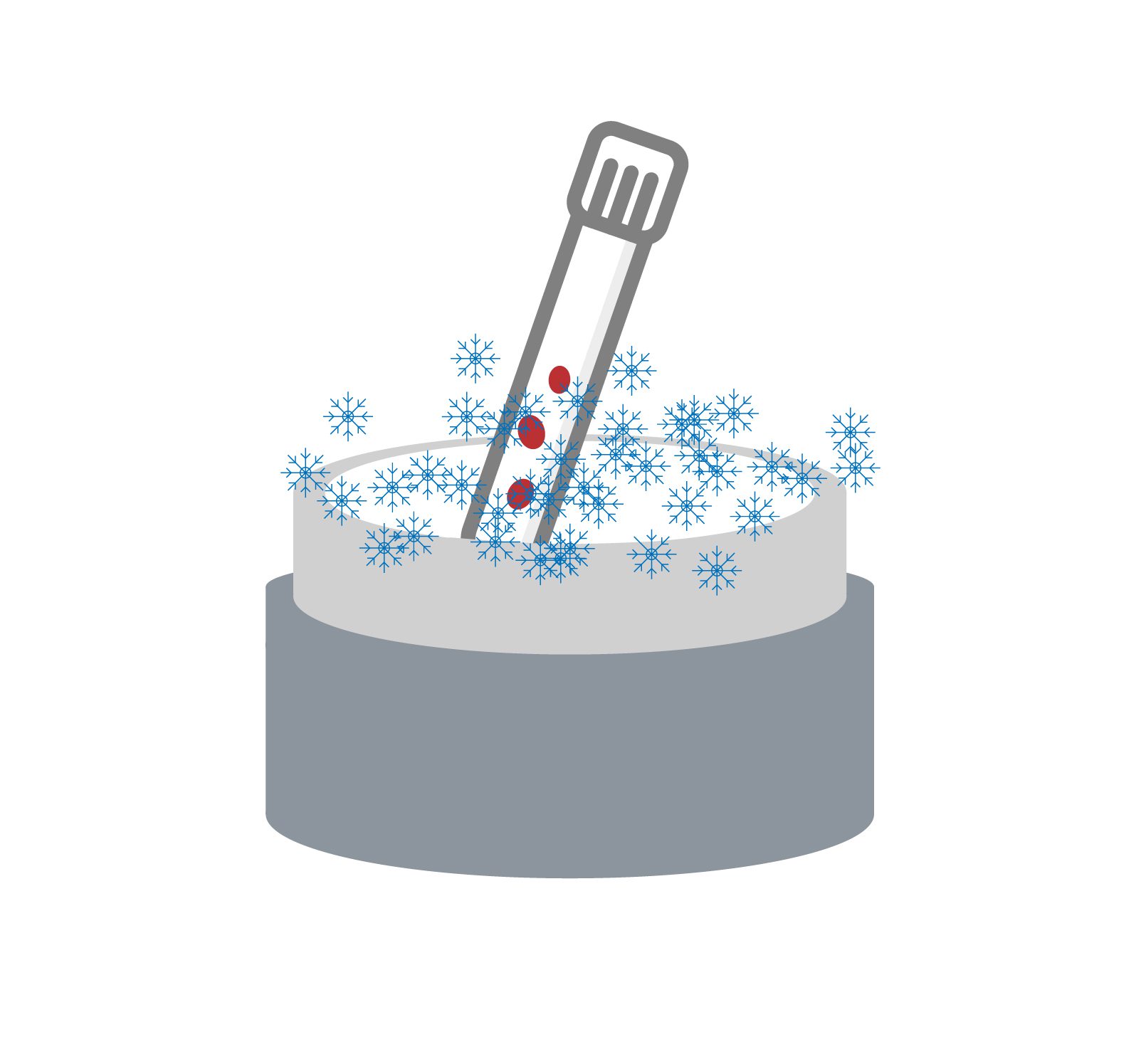
They are quickly immersed in liquid nitrogen and frozen after approximately ten seconds

In the place of water, cryoprotectants are inserted into the cells

The cells are lowered into a container and stored as long as needed
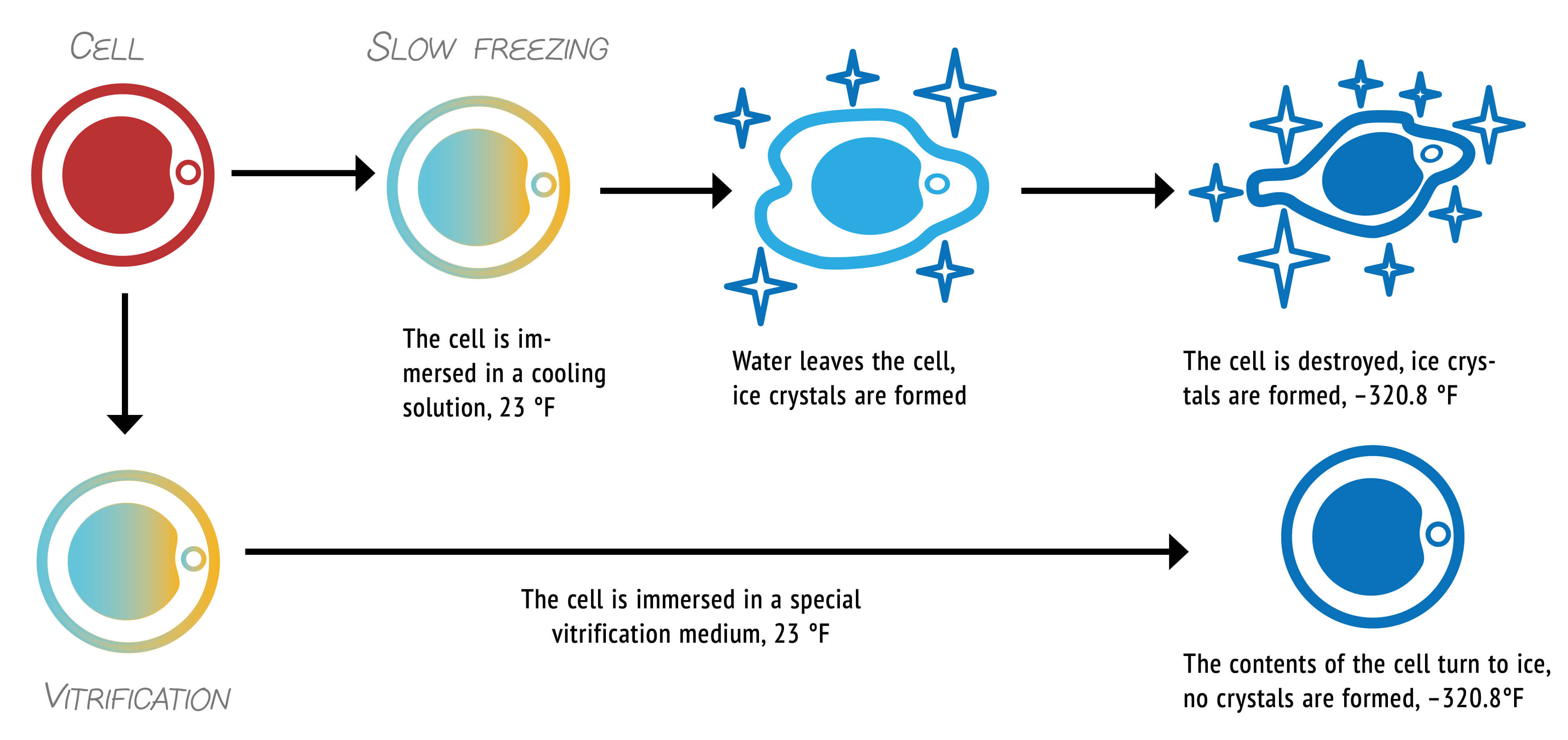
With embryos, things are more complicated. When eggs are fertilized in vitro, often many back-up cells are collected — not all of the embryos will develop normally or take root in the uterus. Moreover, in case a patient does not get pregnant after the first attempt and decides to try again, they need to have some “spare embryos” on hand. To do so, embryos are also frozen. Previously, a method of slow freezing was used. Embryos were impregnated with cryoprotectants, substances that make a solution more viscous and inhibit the growth of crystals. Usually, a pair of cryoprotectants were employed: one penetrated the cell (glycerol, for example), while the other worked in the intercellular substance (often sucrose). Afterward, the embryo was slowly immersed in liquid nitrogen.
However, this method was not very reliable — crystals still managed to form. The day was saved by a new method called vitrification, the essence of which involves an increased dose of cryoprotectants that are injected into the embryo before quickly immersing them in nitrogen. In this case, the contents of the cells are so viscous that crystals do not form, but they are also so hard that life processes stop. The tissue actually turns into glass.
However, both slow freezing and vitrification are quite safe — there are already children in the world who, as embryos, spent up to 20 years in liquid nitrogen, and it did not affect their subsequent quality of life.
Two Methods of Freezing
What We Can’t Do
As soon as we need to freeze not just a few dozen cells, as in an embryo, but an entire organ or tissue, the task becomes more difficult. Now, we must ensure that the cryoprotectants are distributed evenly throughout the sample. If they do not have time to penetrate a certain part of the organ, it will collapse upon freezing. If the tissue is overexposed to cryoprotectants, it will also suffer, because these substances themselves can be toxic to cells in high concentrations.
Because of this, our capabilities in the cryopreservation of large objects are still seriously limited. In small animals — such as rats and rabbits — scientists are already able to freeze individual organs, like skin or glands. One of the most recent achievements is the freezing of a kidney, which continued to work after defrosting. But such experiments are not being conducted on humans yet. So far, only the cryopreservation of ovarian tissue is available to people (for the same purposes as freezing individual eggs). Freezing of testicular tissue in primates is just beginning to be studied. More complex structures, such as the heart or brain, are out of the question.
Cryonics is a technology that allows for the storage of human and animal bodies in a chilled state so that they might be brought back to life one day.
The Hope and Challenges of Human Body Preservation for Future Revival
Nevertheless, for more than 50 years, there have been various companies that offer people cryopreservation of their bodies (or only their heads) after biological death. Several hundreds of these frozen bodies are already stored in liquid nitrogen and just waiting for scientists to find a way to bring them out of this state and deal with the resulting damage (including the injuries and diseases that led to their deaths in the first place). We don’t yet have any scientific confirmation that this will ever work.
So far, no mammal has been completely cryopreserved and then brought back to life. But supporters of cryonics are not discouraged: they believe that if each tissue can be thawed and frozen separately, then sooner or later it will be possible to resuscitate the entire person. The most important thing, in their opinion, is that the cells themselves are able to survive in liquid nitrogen — even brain cells. According to some data, defrosted neurons retain electrical activity, and this is the most critical element for the brain and heart.
How Do You Freeze a Whole Person?
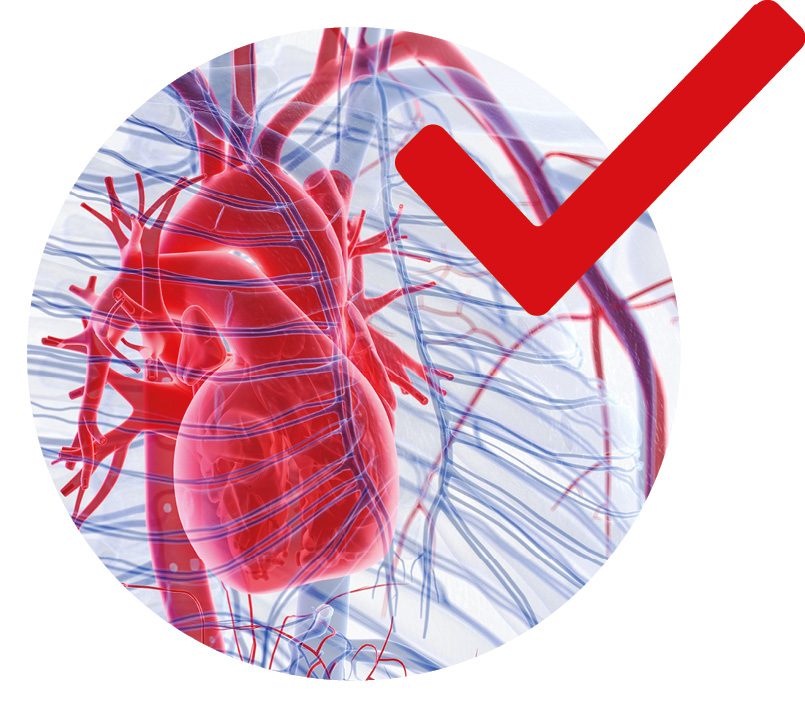
First, you need to make sure that the circulatory system is intact

Then, introduce anti-clotting drugs into the blood to prevent vascular damage
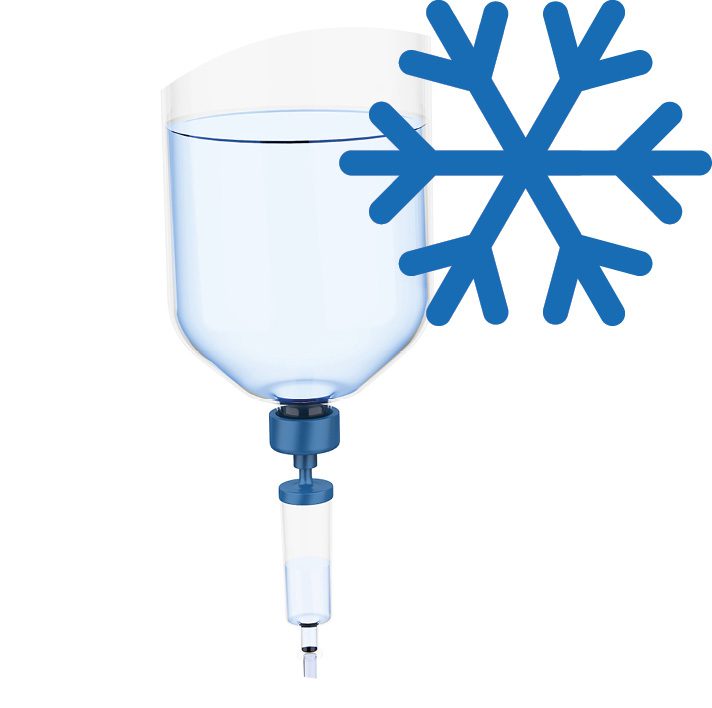
After that, the body should be cooled to 32–50 °F and, gradually, you should replace the blood with a cold solution of cryoprotectants
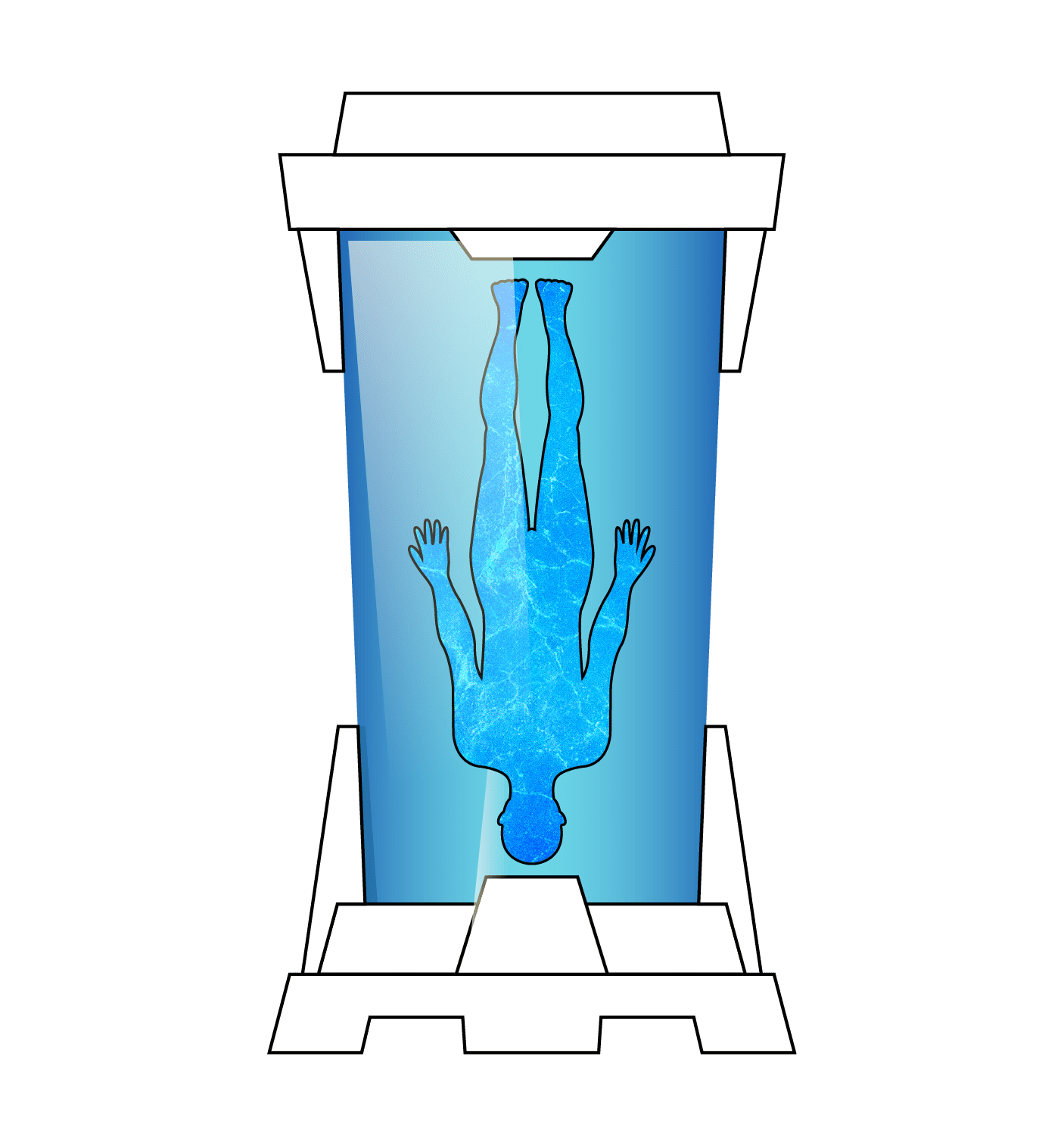
Finally, the body must be cooled once again, now to –184 °F, turned upside down, and placed into a vessel (this is done so that in the event of depressurization, the human brain is the last to suffer).
Now, we can only wait and hope that scientists will figure out how to defrost the body and bring it back to life.
Compromise with the Cold
In the meantime, everything with cryopreservation is still pretty ambiguous, so we might resort to a less radical method — temporary cooling. Perhaps it would be much easier to freeze a person not completely but to put them into a long hibernation, for example, to slow down the breakdown of tissues and buy time for surgery or identification of new treatment options.
Here, as in the case of suspended animation, there are many examples from the animal world that prove that nothing is impossible. During hibernation, many mammals are able to significantly lower their body temperature: some, like the brown bear, do so by several degrees, and some even by several dozens of degrees (as many rodents do). The record holders here are Arctic ground squirrels, which can cool down to 32 °F.
During hibernation, the metabolism slows down (this condition is called torpor), and heart rate and oxygen consumption decrease. However, unlike suspended animation, torpor does not stop the physiological processes completely — for example, gophers continue to grow teeth. In addition, hibernating animals are forced to wake up from time to time. Apparently, this is necessary in order to “reset” the work of the nervous and immune systems, which are more likely to suffer from cooling.
Exploring Human Potential for Hibernation
Despite the fact that humans themselves do not know how to hibernate (and there is only one known hibernating species among primates), some cases show that our capabilities are broader than we think. For example, a Canadian toddler named Erika Nordby left home in 2001 when the temperature outside was –11.2 °F and spent two hours without a heartbeat and with a core body temperature of 60.8 °F. Additionally, there was a patient whose illness was described by doctors just a few years ago: after brain damage, he began to have attacks similar to hibernation — twice a year, he became very sleepy, breathed slowly, and his body temperature fell to 87.8 °F. The only thing that helped him was warming up.
These stories could make you think that hibernation in humans might not be so impossible.
<h3>Types of Hibernation in Animals
Dormancy: The general name for the slowing down of physiological processes.

Torpor: A period of reduced temperature and slow processes (during hibernation or, in nocturnal animals, the daytime).

Winter hibernation: Temperature is reduced slightly (as in brown bears).

Hibernation: Body temperatures in warm-blooded animals drop significantly (as in rodents).

Brumation: Cold-blooded animal’s body temperature drops, even down to the point of freezing into ice (as in pond frogs).
Hibernation Technology
We know how to make a person “fall asleep,” but largely just theoretically — before proceeding to such experiments, it is necessary to carefully check their effectiveness and safety on animals. In addition, scientists fear that during torpor, the immune system works less effectively, and if this is the case, it is unlikely that such techniques can be used on astronauts during long-distance flights. What would happen to a person’s consciousness during hibernation is also still unknown. Nevertheless, here are some different approaches that are currently at different stages of testing.
GASES
Hydrogen sulfide and xenon have been tested as a hibernating agent. While the former seems to work only in small mice, the latter has managed to put rats to sleep for a whole week.
SIGNALING MOLECULES
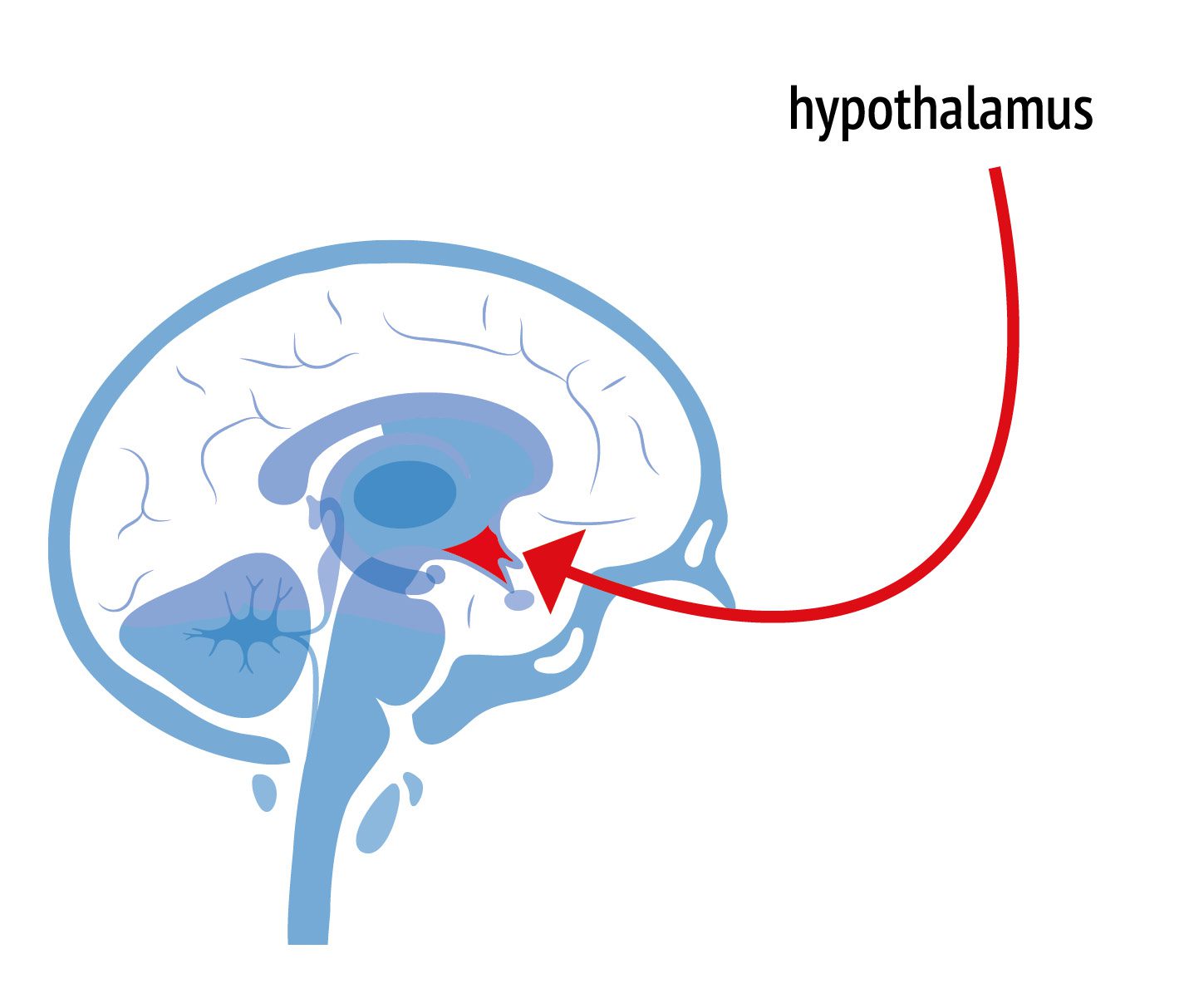
They act on the hypothalamus — the center of the brain that makes the decision to hibernate or wake up the body. They are similar to the substance that triggers hibernation in animals and will soon be tested by NASA: researchers plan to put astronauts into hibernation for 2–3 weeks.
COOLING
Perhaps, if you artificially reduce the temperature of the body, it could go into an “economy hibernation mode.” You can cool a person on the outside — this has long been used by doctors. Therapeutic hypothermia is sometimes used in critical conditions to keep heart or brain tissue from disintegrating, but it’s still unknown how effective it is. Another option is to cool the person from the inside; that is, to inject a cold solution directly into the bloodstream. These experiments have been tested on animals for some time and have recently been tried on people — patients with severe injuries who cannot be saved in any other way. In the autumn of 2019, the first such patient had their blood replaced with a solution with a temperature of 50 °F, but nothing is known about his fate yet.
We may not yet know how to freeze (and more importantly, thaw) humans, but we already know that invertebrates do not age during the time spent in suspended animation. Moreover, vertebrates that have mastered hibernation often live longer than their counterparts who do not know how to go into hibernation. This means that it is theoretically possible to stop time, which means that we still have something to strive for.
Therapeutic Hypothermia
How are newborns’ brains preserved if hypoxia occurs during childbirth?

The child is covered with a cooling blanket, which reduces its temperature to 91.4 °F

The child is kept in a chilled state for up to three days

At a lower temperature, the body’s metabolism slows down

As a result, brain cells need less oxygen, and they have a chance to recover from stress
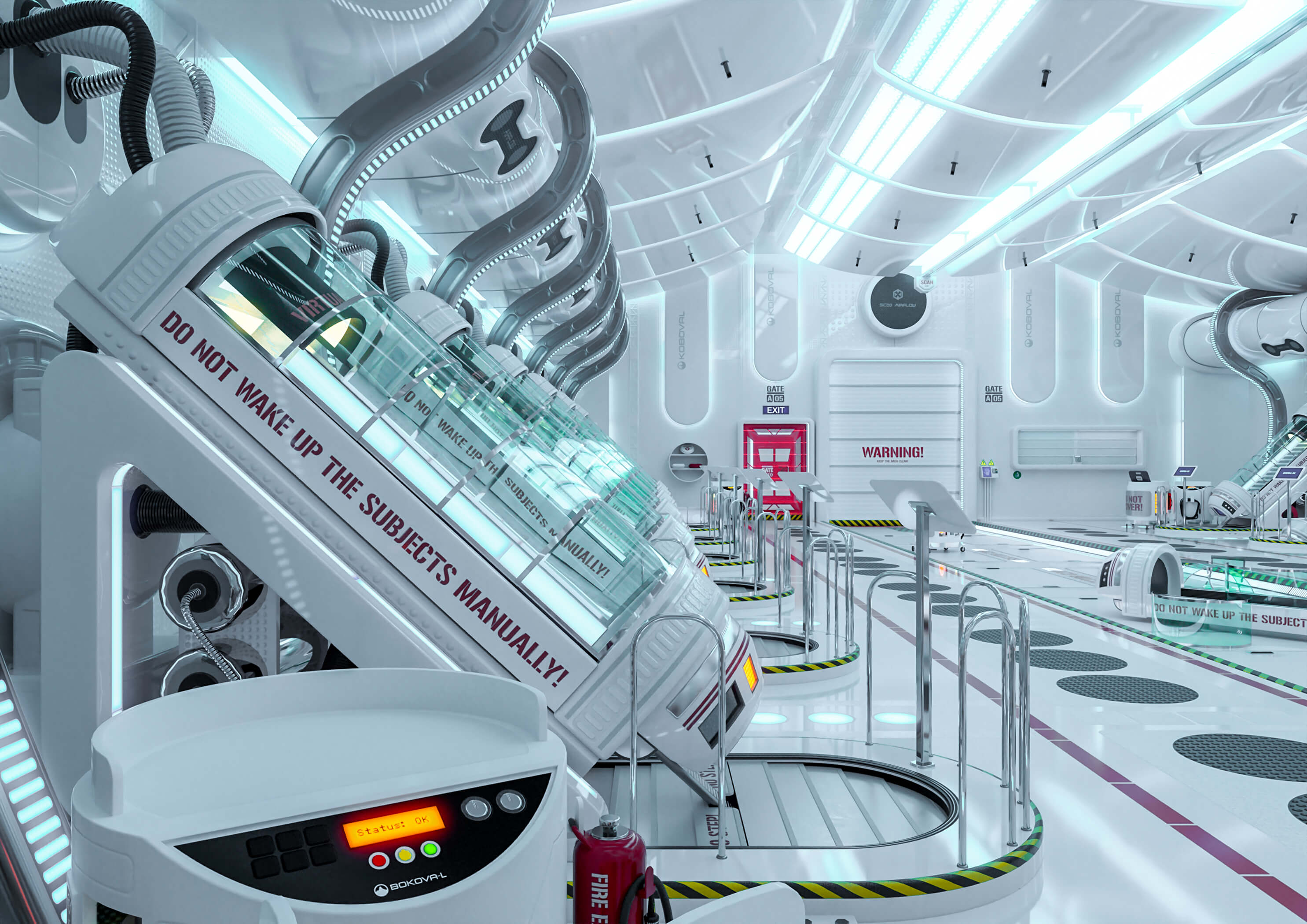
In the near future, humanity plans to fly to Mars, which involves at least 7–8 months of travel there and back. All this time, the astronauts must be fed, heated, and supplied with oxygen. It would be much more convenient, if not to freeze them, then at least to put them into hibernation, in order to save their strength and resources.
Post on topic: Hibernation.
Did you like the post? We invite you to read our other topics in Education category.
Follow us on Instagram.
<svg xmlns="http://www.w3.org/2000/svg" xmlns:xlink="http://www.w3.org/1999/xlink" id="Layer_1" x="0px" y="0px" viewBox="0 0 597.03 475.39" style="enable-background:new 0 0 597.03 475.39;" xml:space="preserve"><style type="text/css"> .st0{clip-path:url(#SVGID_00000021828697454809692600000004318893268413411000_);fill:#54A7B7;}</style><g> <defs> <rect id="SVGID_1_" x="63.22" y="2.39" width="470.59" height="470.65"></rect> </defs> <clipPath id="SVGID_00000125586198135712050590000014503595150480814249_"> <use xlink:href="#SVGID_1_" style="overflow:visible;"></use> </clipPath> <path style="clip-path:url(#SVGID_00000125586198135712050590000014503595150480814249_);fill:#54A7B7;" d="M352.92,237.74 c0-30.06-24.38-54.38-54.38-54.38c-30.06,0-54.38,24.32-54.38,54.38c0,30.01,24.32,54.38,54.38,54.38 C328.54,292.12,352.92,267.74,352.92,237.74 M440.15,237.74c0,78.06-63.55,141.62-141.62,141.62 c-78.12,0-141.62-63.55-141.62-141.62c0-78.12,63.5-141.62,141.62-141.62C376.6,96.12,440.15,159.61,440.15,237.74 M533.83,237.74 c0-129.78-105.58-235.3-235.3-235.3c-129.78,0-235.3,105.52-235.3,235.3s105.52,235.3,235.3,235.3 C428.26,473.03,533.83,367.51,533.83,237.74"></path></g></svg>