
Galileo Galilei: The Rebel Who Changed Science
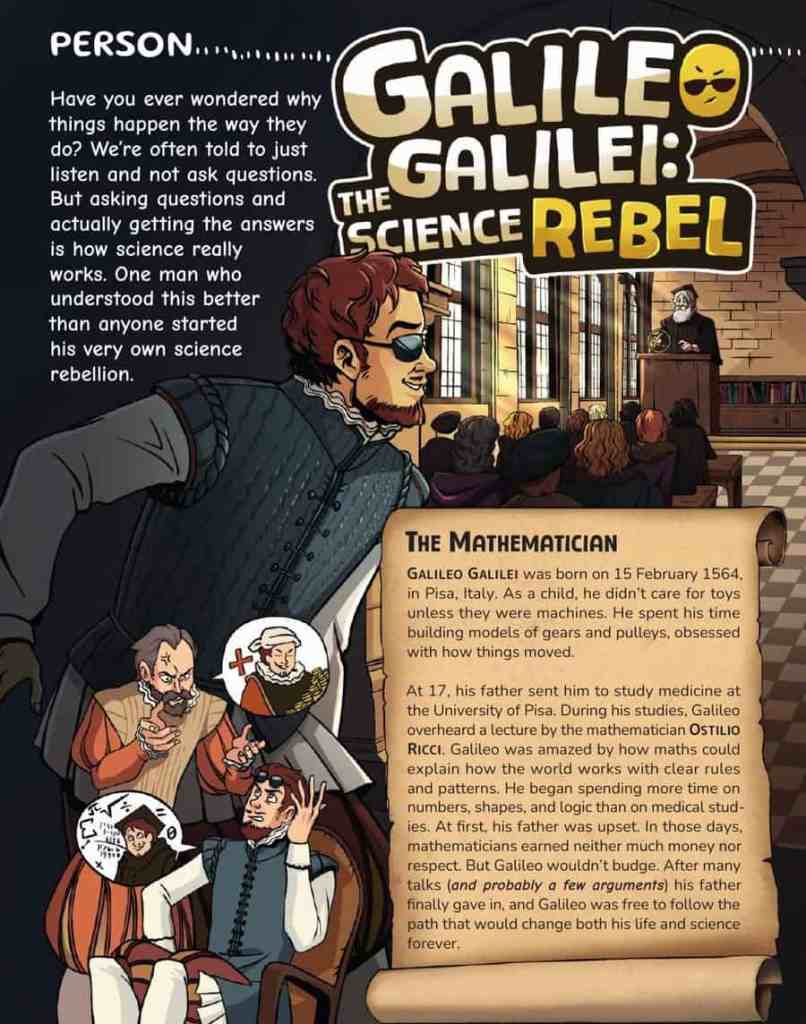
Galileo Galilei (born 1564 in Pisa, Italy) is often called the father of the experimental method: he tested ideas by observing and measuring instead of trusting old beliefs. He showed that heavy and light objects fall at the same rate, improved the telescope and defended the idea that the Earth moves around the Sun.
What Is Hindsight Bias? Why We Say “I Knew It All Along”
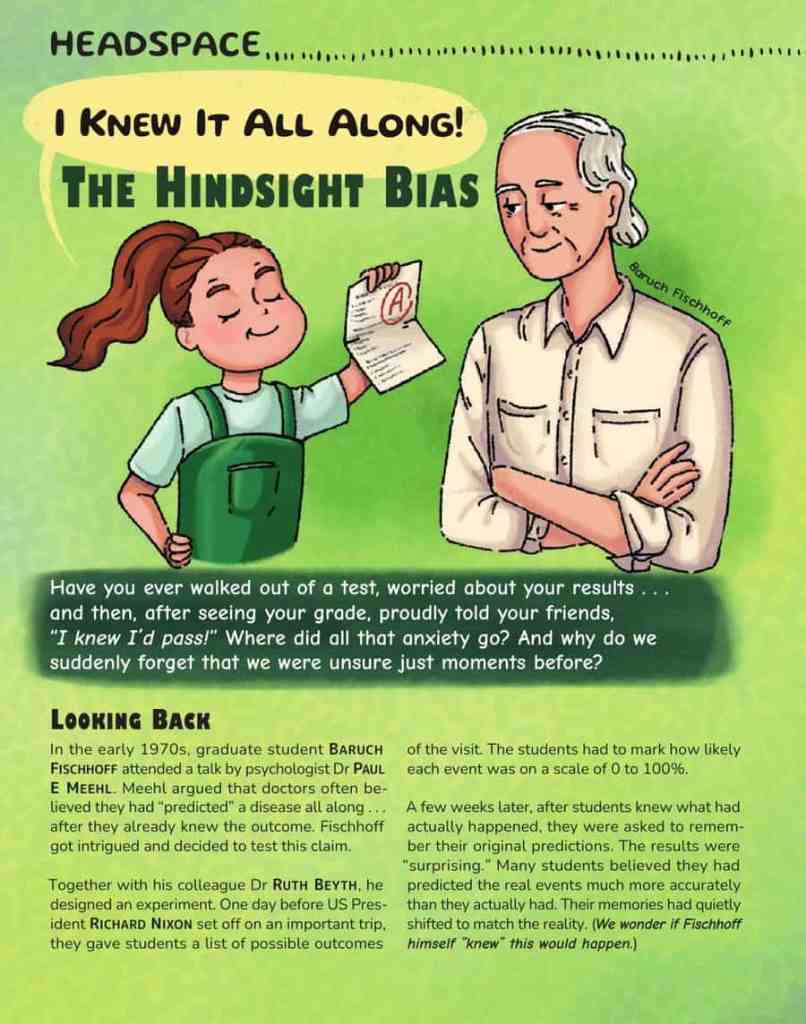
Hindsight bias is the tendency to see past events as more predictable than they really were. Once we know how something turned out, our brain quietly edits our memories, and we feel that we “knew it all along”.
The History of Sports Balls: Why Do Balls Bounce?
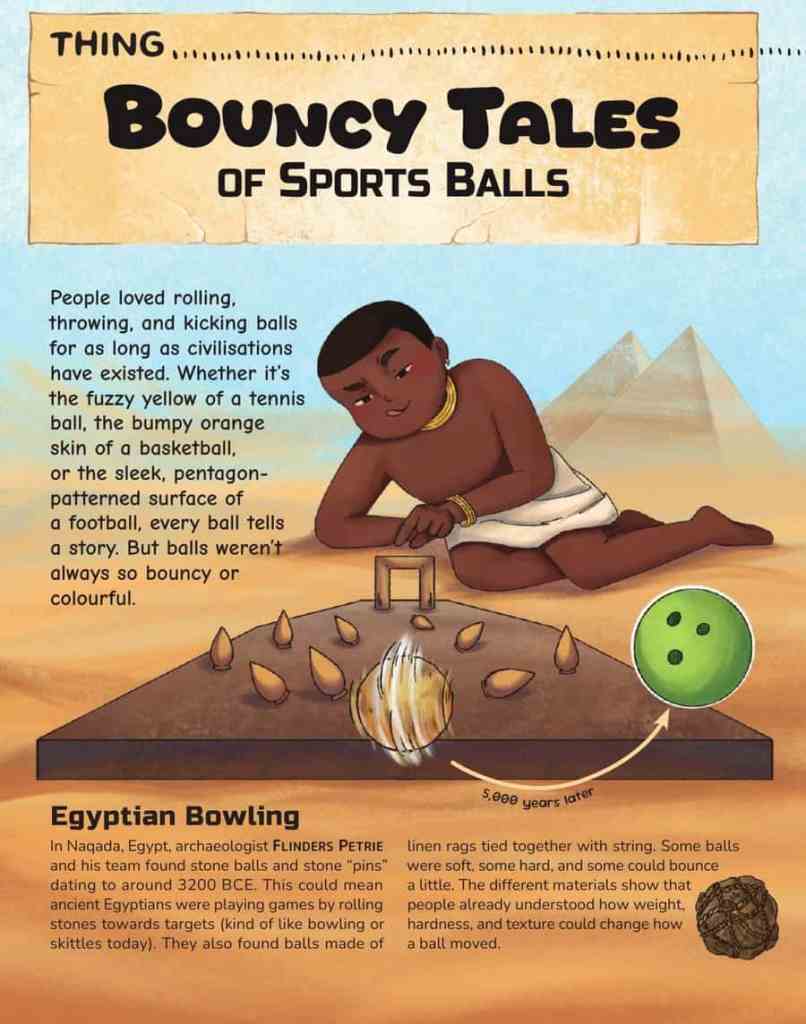
People have played with balls for at least 5,000 years. The first balls were made of stone, linen and leather; the Maya and Aztecs made the first rubber balls over 3,500 years ago; and in the 1800s vulcanised rubber finally made balls that bounce the same every time.
How Does a Telescope Work?
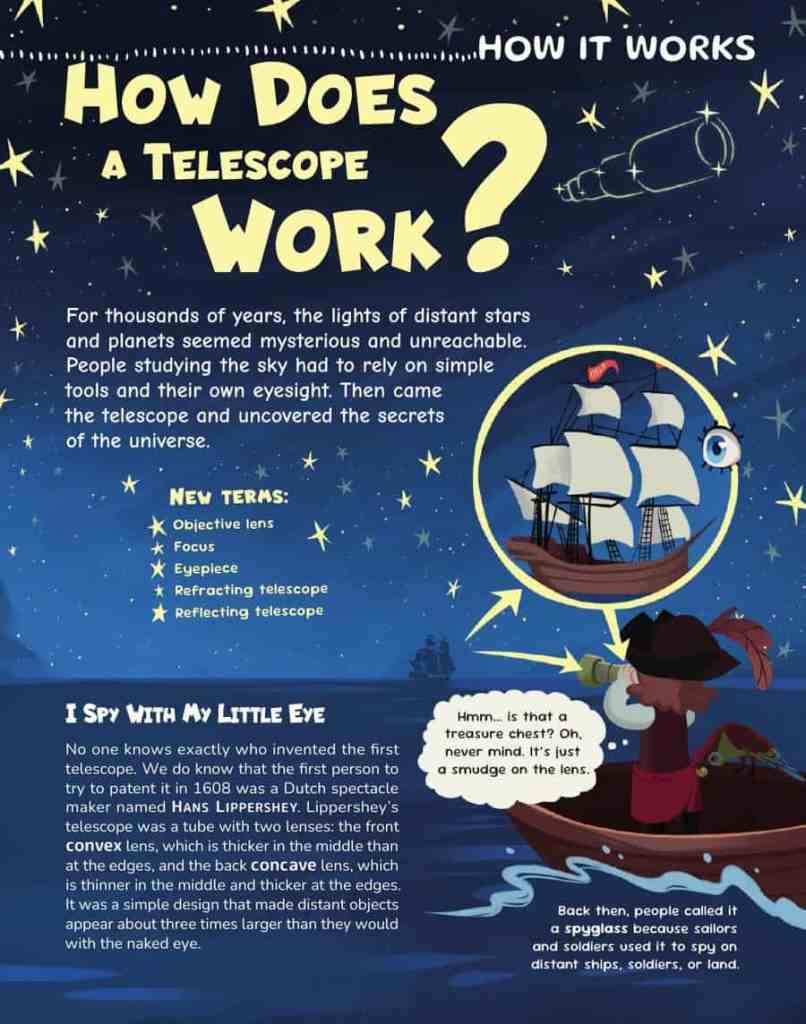
A telescope works by collecting much more light than your eye can and then magnifying the image. Refracting telescopes do this with lenses, and reflecting telescopes do it with mirrors. The first telescope, in 1608, made things look about three times larger.
Geocentrism vs Heliocentrism: Who Proved the Earth Goes Around the Sun?

Geocentrism is the old idea that the Earth sits at the centre of the universe. Heliocentrism is the idea that the planets, including the Earth, move around the Sun. Geocentrism ruled for nearly 2,000 years, until Copernicus, Kepler, Galileo and Newton showed that the Sun-centred model is right.
Amazing Lakes Around the World: Pink, Hot and Made of Asphalt
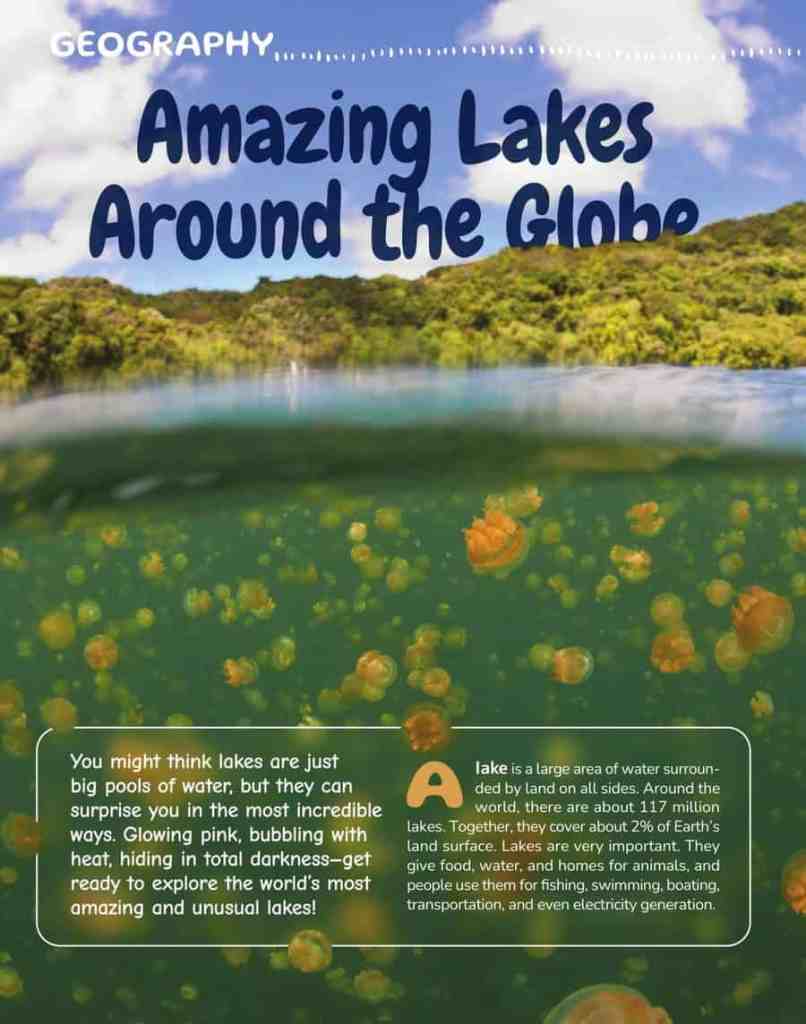
There are about 117 million lakes on Earth, and together they cover about 2% of the land. Some of them are astonishing: Lake Hillier in Australia is bright pink all year round, Frying Pan Lake in New Zealand is 50–60°C, and Pitch Lake in Trinidad is made of asphalt.
Why Don’t We Feel the Earth Spin?
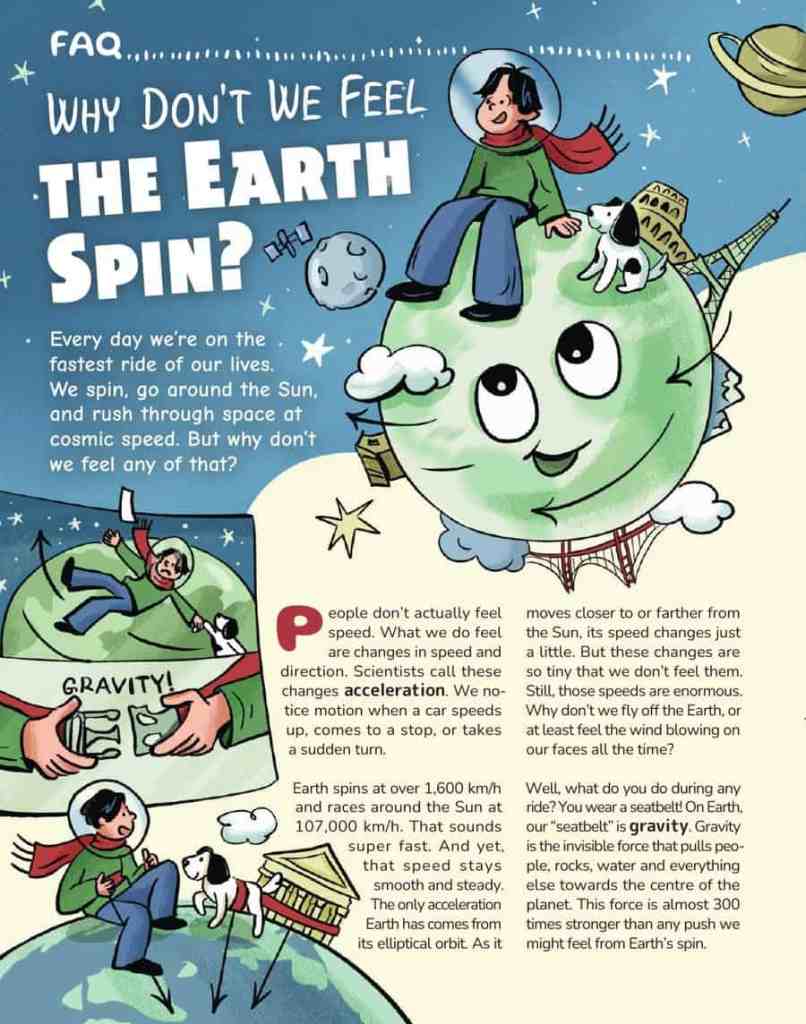
We don’t feel the Earth spin because people cannot feel steady speed, only changes in speed and direction. The Earth spins at over 1,600 km/h and travels around the Sun at 107,000 km/h, but that motion is smooth and constant, so our bodies notice nothing.
What Is Earth Day and How Did It Start?

Earth Day is a holiday for our planet, celebrated every year on 22 April in more than 190 countries. It began in the United States in 1970, after a huge oil spill showed how badly nature needed protecting. About 20 million Americans took part in the first one.
What Is an Ellipse? The Stretched Circle Explained

An ellipse is a stretched circle with two special points inside it, called foci. For any point on the edge of an ellipse, the distances to the two foci always add up to the same total. Planets, fruit and even the Colosseum follow this shape.