
Greetings Around the World: How Do People Say Hello?
People in every culture greet each other before they start talking, but they do it in very different ways: with words, handshakes, bows, hugs or even by touching noses. Greetings show friendly intentions and help people trust each other.

Why do people greet each other?
A greeting is a small ritual people perform before a conversation. Greetings exist in all human cultures. They show friendly intentions, start conversations in a clear way, make people feel comfortable and build trust and connection. Talking to someone without greeting them first is usually considered rude.
Key facts
- Greetings exist in all human cultures.
- There are over 7,000 human languages, each with its own greetings.
- The Chinese gongshou greeting is more than 2,500 years old.
What are the most unusual greetings?
Some greetings are literally face-to-face. In the Inuit kunik, two people touch each other’s faces with their noses. Māori people use the hongi, pressing noses and foreheads together. In Burundi, women traditionally perform akazehe, a musical greeting with hugging, clapping and singing. And sometimes all you need to do is smile, which works everywhere on the planet.
Where can I read the full story?
This is a short version of “Human Greetings: Notes from Alien Explorers” from OYLA Junior #11. The full article in OYLA Junior is told as a report by alien explorers studying humans, and it ends with secret handshakes you can try with friends.
Read next
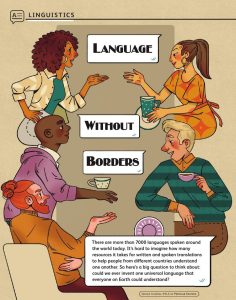
What Is a Lingua Franca? The Search for a Universal Language
A lingua franca is a language people use to communicate when they do not share a native language.…

Famous Markets Around the World, from the Grand Bazaar to Floating Markets
Markets are as old as trade itself: people began exchanging goods when they realised that each of them…

The History of Sports Balls: Why Do Balls Bounce?
People have played with balls for at least 5,000 years. The first balls were made of stone, linen…
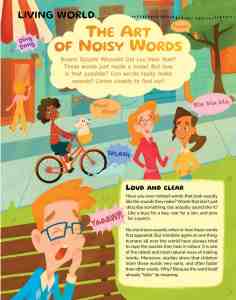
What Is Onomatopoeia? Words That Sound Like Noises
Onomatopoeia is the name for words that sound like the noise they describe, such as buzz, roar, boom…
Science like this, every month
OYLA Junior is a printed science magazine for curious kids and their parents, delivered to your door across India.
Made for ages 8+
Simple language, stories, comics and activities for young readers.
12 issues a year
A new printed issue every month, delivered to your door.
Free OYLA Workbook
Hands-on activities that turn reading into doing.
Trusted by 150,000+ readers
Loved by families and used in 1,500+ schools.
Keep asking "why?" with OYLA Junior
Every issue answers the questions kids ask about the world. Start your child's science journey today.