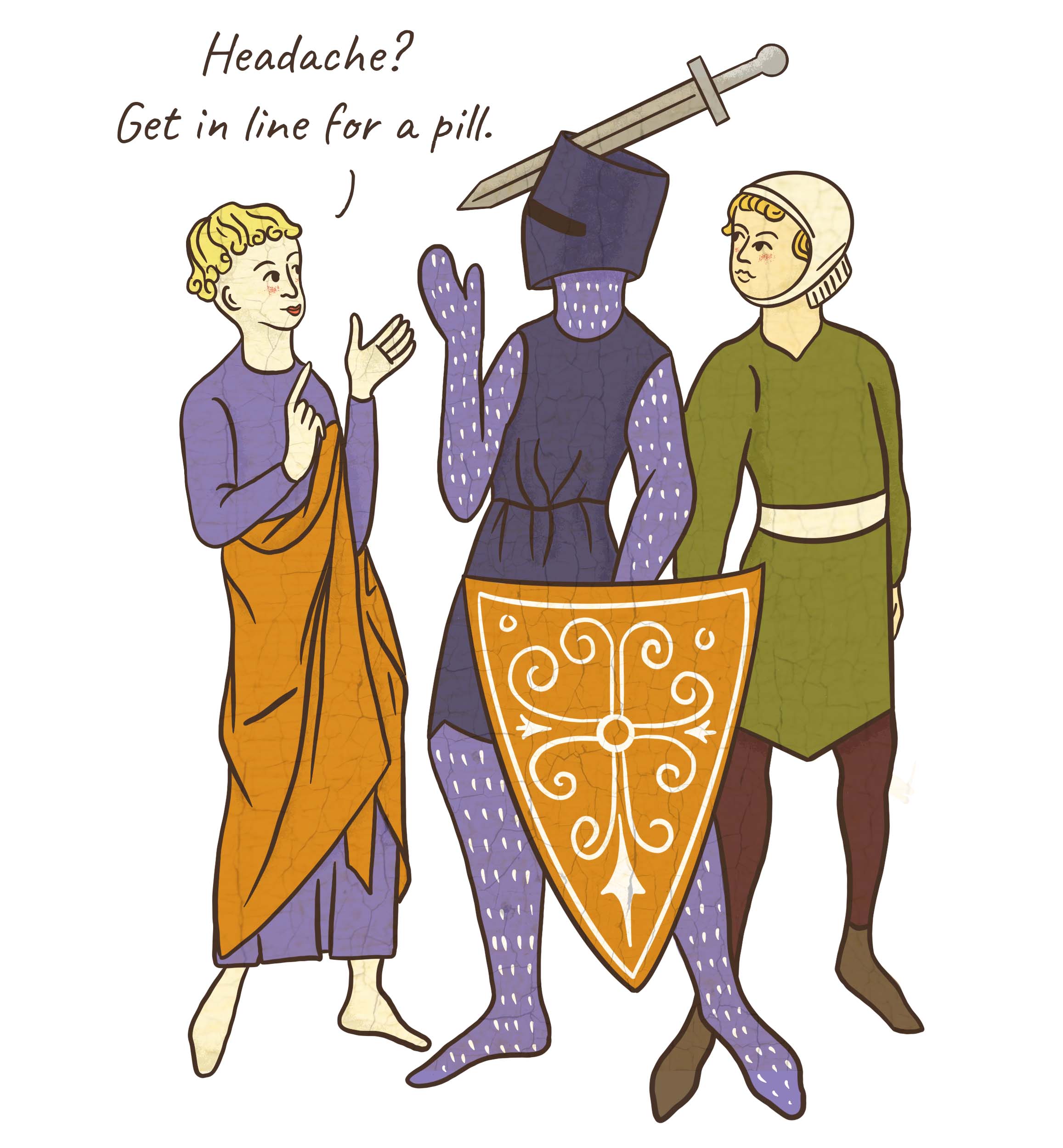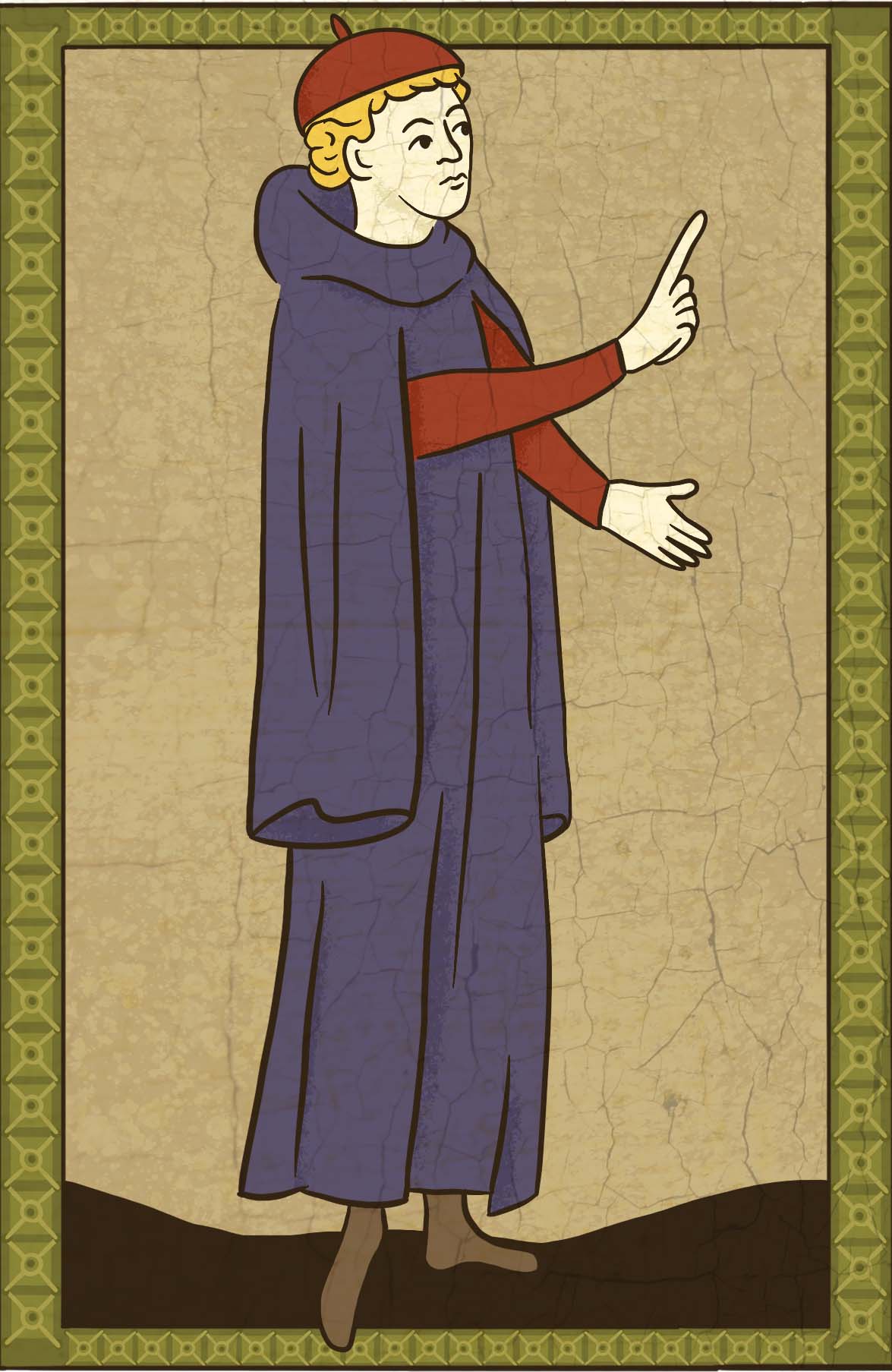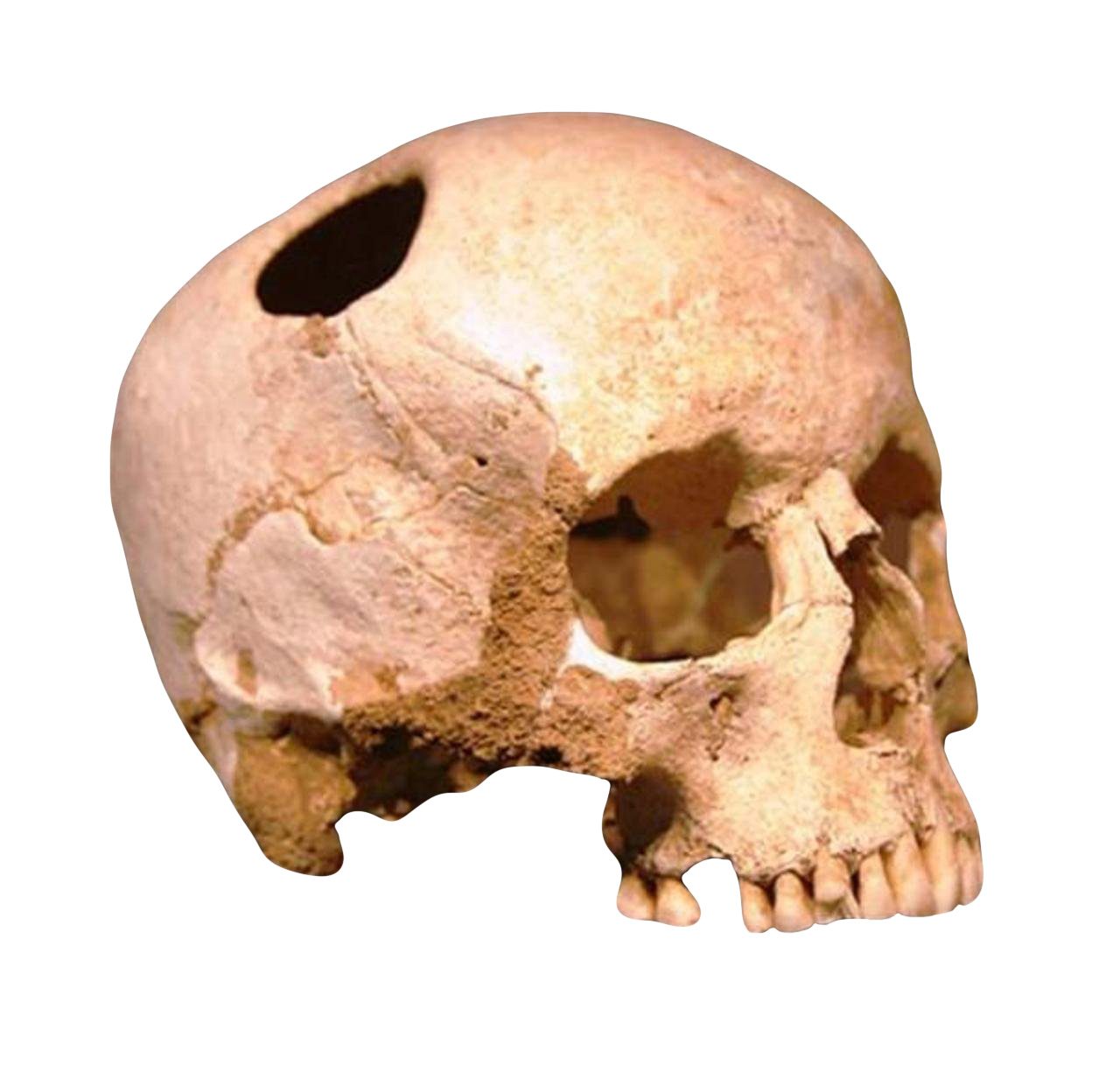
            The opening of the skull, or trepanation, was performed by either drilling or scraping. In the Middle Ages, this procedure was used for the treatment of epilepsy, migraines, and various mental disorders.
                </blockquote>
    Post on topic: Medicine.</p>
        <h2>The History Of Medicine</h2>
    <p>In the Stone Age, our ancestors relied primarily on ritual magic — it was believed that diseases were caused by evil spirits, and in order to get rid of them, they would defer to amulets, special herbs, and dances around the fire. It was even common practice to recklessly drill holes into the skulls of their kinsmen to save them from the common cold.
In the ancient world, medicine started to look more like what we see today around the time of the Babylonian Code of Hammurabi, which is over 4,000 years old. The groundbreaking code of law makes mention of surgical operations. However, these healers of antiquity were still far away from the capabilities of modern doctors as they knew next to nothing about the workings of the human body.
Advancements in Medical Understanding
With the accumulation of knowledge about the body’s structure, doctors’ opportunities increased. While in the Middle Ages people had no understanding of the causes of epidemics, and thousands died from the plague, by the 19th century, doctors already knew that this disease and others like it are caused by microbes. Doctors had learned to sterilize medical instruments and treat certain infectious diseases.
                                                <img width="800" height="841" src="https://oyla.us/wp-content/uploads/2023/11/shutterstock_766421818-Converted.jpg" alt="A black and white drawing of a man in a hat and hat." />
                                                <img width="800" height="824" src="https://oyla.us/wp-content/uploads/2023/11/Blood_letting_output2.jpg" alt="Medicine | An illustration of a man getting his arm swabbed." />
                <blockquote>
        <p>
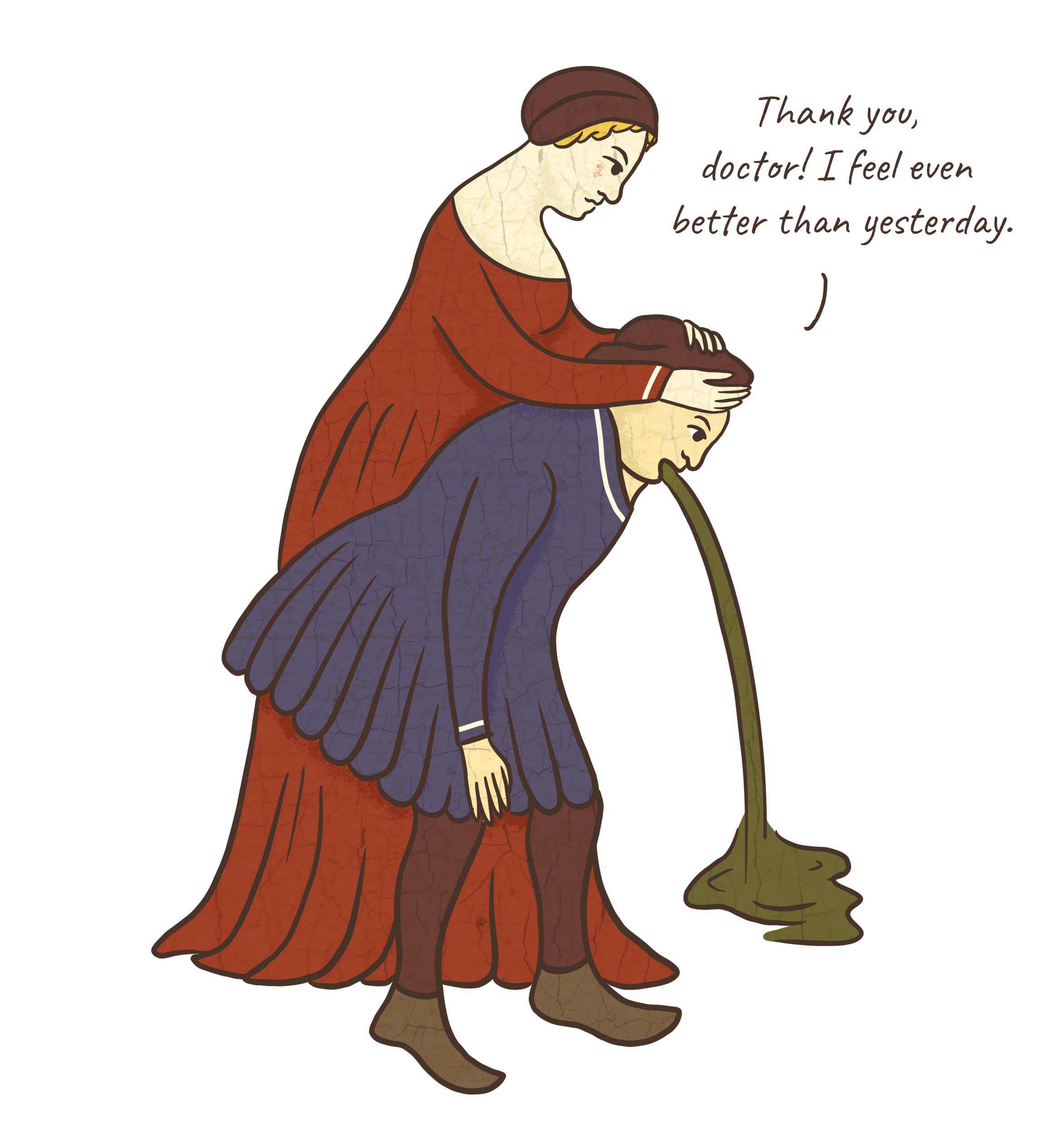
            Bloodletting was considered a universal treatment for almost any ailment. Its therapeutic effect was not questioned until the 1800s, and only towards the end of the 19th century was the procedure finally recognized as barbaric and absolutely pointless.
                </blockquote>
    <h3>Revolutionizing Medical Practice in the 19th Century</h3>The era of modern medicine finally appeared in the middle of the 19th century, when <b>statistics </b>were introduced to the field. As it turns out, the efficacy of treatments can be predicted — all you need to do is collect more data and start analyzing it. This is how the famous English nurse <b>Florence Nightingale</b> proved that the dirt and other unsanitary substances in hospitals were what was killing wounded soldiers rather than the wounds themselves.</p>
                                                <img width="800" height="841" src="https://oyla.us/wp-content/uploads/2023/11/Florence-Nightingale.jpg" alt="Jane eyre - jane eyre fine art print." />
                <blockquote>
        <p>
            In 1912, the International Committee of the Red Cross established a medal in Florence Nightingale’s name. It is awarded for “exemplary services or a creative and pioneering spirit in the areas of public health or nursing education” and is still given out to this day.
                </blockquote>
    Even in the 20th century, doctors were still guided by a habit of relying primarily on experience — their own and that of their colleagues. This led to some serious tragedies over the years. One of the most famous medical dramas of the 20th century was the “<b>thalidomide tragedy</b>.” In the 1950s–60s what was marketed in 46 countries as a morning sickness treatment and light sleeping pill for pregnant women turned out to cause congenital birth defects in infants. Since the efficacy and safety of this drug was never properly tested, about 10,000 children were born with various disabilities.
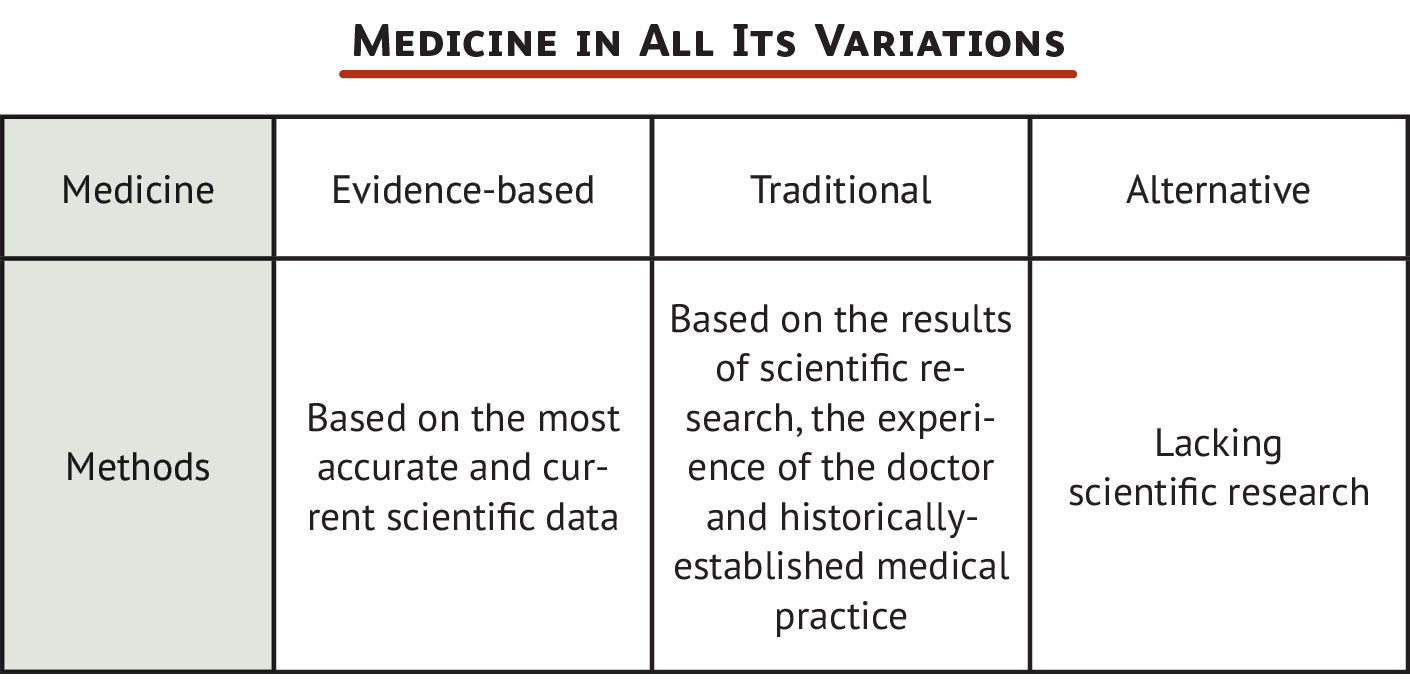
Only in the 1970s, a small group of doctors proposed verifying whether a given method or medication actually works before putting it into practice. Thus, evidence-based medicine was born.
Of course, we’re not saying that doctors ruthlessly experimented on their patients up to the 1970s — they relied on personal, clinical experience, research, and the opinions of experienced colleagues and publications in serious medical journals.
However, these sources often contradicted one another, and the doctors didn’t have much time to figure out which one was the most reliable. This predicament would have continued indefinitely if not for one Canadian physician, Dr. David Sackett, who first took note of problems with the traditional medical approach.
Medicine | Against the Rules
In 1959, a medical student in his final year, David Sackett, was assigned to attend to a teenager recovering from hepatitis. The boy had been prescribed long-term bed rest, but all that time lying in bed grew quite boring for him. So, one day, Dr. Sackett dropped in to check on the teenager, and the young patient asked for permission to get out of bed just for a little while.
The instructions left by his senior colleagues clearly forbade the patient from getting up, but Dr. Sackett knew that his task as a doctor was to relieve his patient’s suffering, and the boy seemed to feel just fine. Sackett found himself in a situation in which he lacked the required knowledge. So, he did what any serious student would do — he went to the library.
The medical student was lucky. In the library, he found a full, detailed report on the results of a study on recovery from hepatitis.
The authors of the report proved that keeping patients on bed rest makes no scientific sense if they feel well. Armed with the new evidence, Dr. Sackett persuaded his colleagues to allow the patient to walk around the hospital. The boy eventually recovered completely and was sent home.
Medicine | Prove It First!
The more Dr. Sackett learned, the more disillusioned he became with the traditional medical approach, which was based solely on the opinions of experienced physicians. After all, even the most talented and seasoned doctor is only a person, and it’s within human nature to make mistakes. Sackett came up with four such errors that are typical of all “traditional” doctors.
Moreover, the order of these sets of fossils is the same in different places. When Smith decided to classify rock layers based on these sets of fossils (which is why they are called index fossils), it turned out that the vertical sequence of the layers is the same everywhere. He then assumed that layers with the same index fossils were formed at the same time, and he combined layers from several different outcrops in one diagram.
Error 1:
The doctor wants a certain treatment to work, so they unwittingly “play along” with a new method or new medication.
<img width="768" height="778" src="https://oyla.us/wp-content/uploads/2023/11/5_comment.jpg" alt="Medicine | A woman is talking to a man in a monk's habit." /> <p>For this reason, doctors sometimes unknowingly prescribe the newest and most modern drugs only to those patients who have the highest chances of recovery. Those with lower chances are more likely to be prescribed older medications. As a result, when two groups of patients are compared, the new drug appears to be more effective than the old one.</p><h3><b>Medicine | Error 2:</b><b> </b></h3><p>All patients are different, but doctors sometimes forget this.This is also an unintentional mistake. When a doctor treats people identically, they involuntarily expect that the same medicine will affect all of their patients similarly. A 13-year-old teen athlete and an 80-year-old grandfather who never puts down his pipe for more than five minutes, however, are going to have different chances of recovery!
The data obtained on young athletes won’t be very applicable to elderly people with harmful habits.
Error 3:
Patients don’t want to upset a doctor they like, so they exaggerate the positive effects of a given medication.
People are typically grateful to medical professionals even if a treatment has little effect. If a patient sees that their doctor is trying very hard, they will sometimes report that they are feeling better. Then, the doctor naturally assumes that the new drug works when, in fact, it does not.
Medicine | Error 4:
The doctor may “get hooked on” some method of treatment even if it is not actually effective.
If a doctor tries out a new medication on a patient who then recovers quickly, the physician may decide that the particular treatment is an excellent one, although the patient may have simply recovered on their own. Later, the doctor will continue to prescribe this drug to other patients, even though it doesn’t really work.
In the early 1990s, Dr. Sackett and his associates finally received the medical community’s acceptance of evidence-based medicine. Thus, the “gold standard” of the practice, the randomized controlled trial (RCT), was born, allowing doctors to obtain the most reliable results possible in the field of medicine.
In 1967, 33-year-old David Sackett was invited to the new medical school at Canada’s McMaster University. During his 15 years in the Department of Clinical Epidemiology and Biostatistics, Sackett conducted 200 clinical trials in which he trained colleagues in the application of critical assessment and analysis of obtained data. This experience led him to understand what evidence-based medicine should be.
Fixing Doctors’ Mistakes
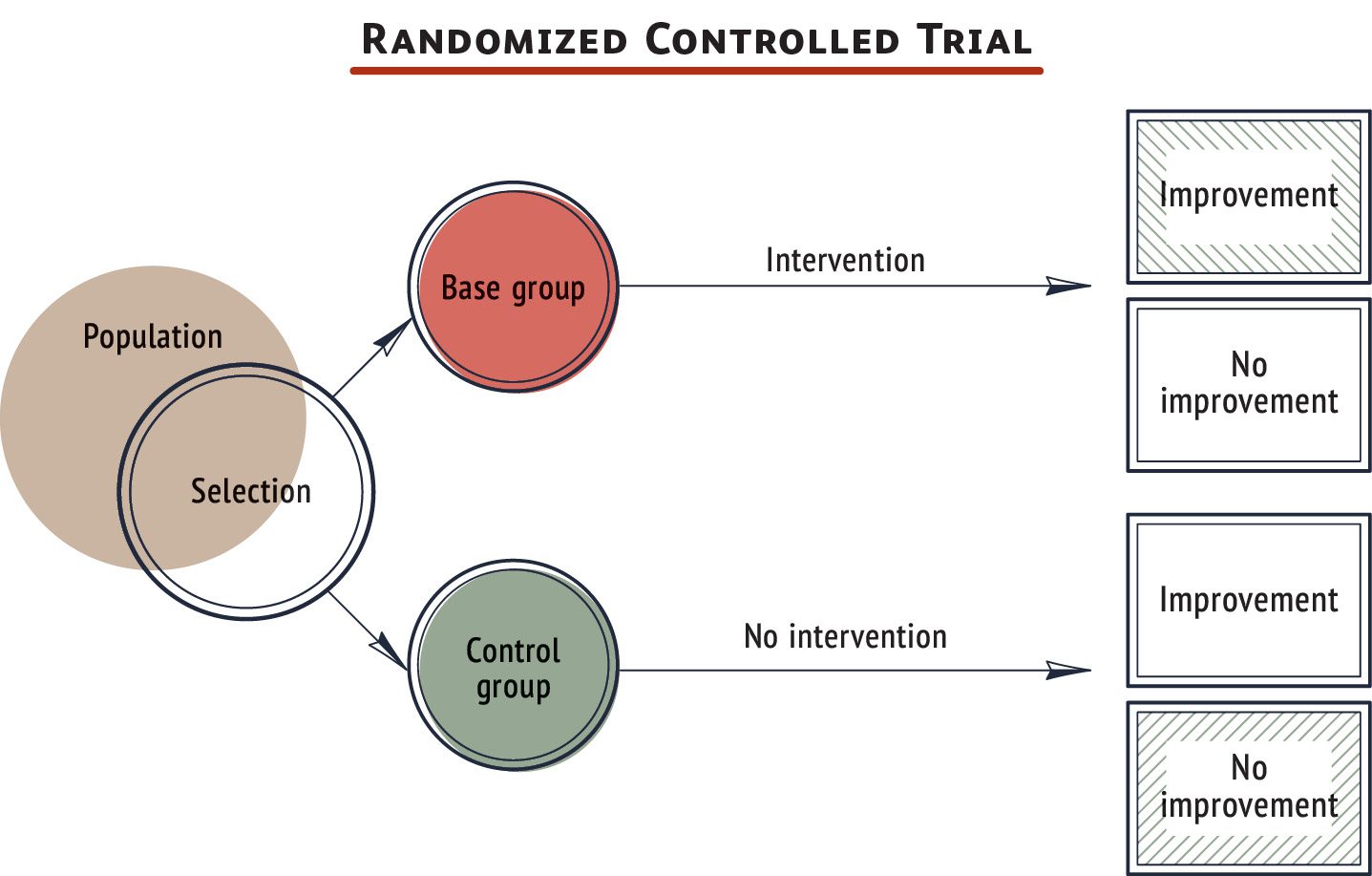
An RCT is an experiment involving two large (hundreds to several thousands of people) groups of patients. One group gets the actual drug to be tested, while the other receives a placebo.
In both groups, patients are selected through random selection, but this “randomness” is controlled in such a way that, in both groups, there are patients with both high and low chances of recovery. This helps to prevent errors 1 and 2.
The most interesting thing about RCTs is that patients do not know which group they are in, and the doctors do not know which medication they are giving to each group — the real one or the placebo. This means that grateful patients cannot unwittingly distort the results, even if they want to please their doctors. This protects the experiment from error #3.
Who exactly received which drug is only revealed at the results stage of the experiment, and the data is not evaluated by the same doctors who administered the treatment but by outsiders who have no interest in the results. In this way, researchers control for error #4.
The information obtained as a result of an RCT is carefully purged of major errors, meaning that it can be trusted with greater certainty. There is only one drawback to RCTs: gathering such a large group of patients is difficult and expensive.
How to Argue on the Internet
The strength of evidence lies in its credibility. We consider articles published in serious scientific journals to be strong evidence.
Before you believe something written in an article, though, pay attention to which level of evidence was used in its methodology. What is the basis of its claims — RCTs, observation, or something else? This information is always provided in the abstract of any article.
If your opponent — as scientists call their opposition in a dispute — cites an article from a dubious journal as proof of their point of view, and you find an RCT or meta-analysis study that refutes their statement, it’s most likely that you are correct, not your opponent.
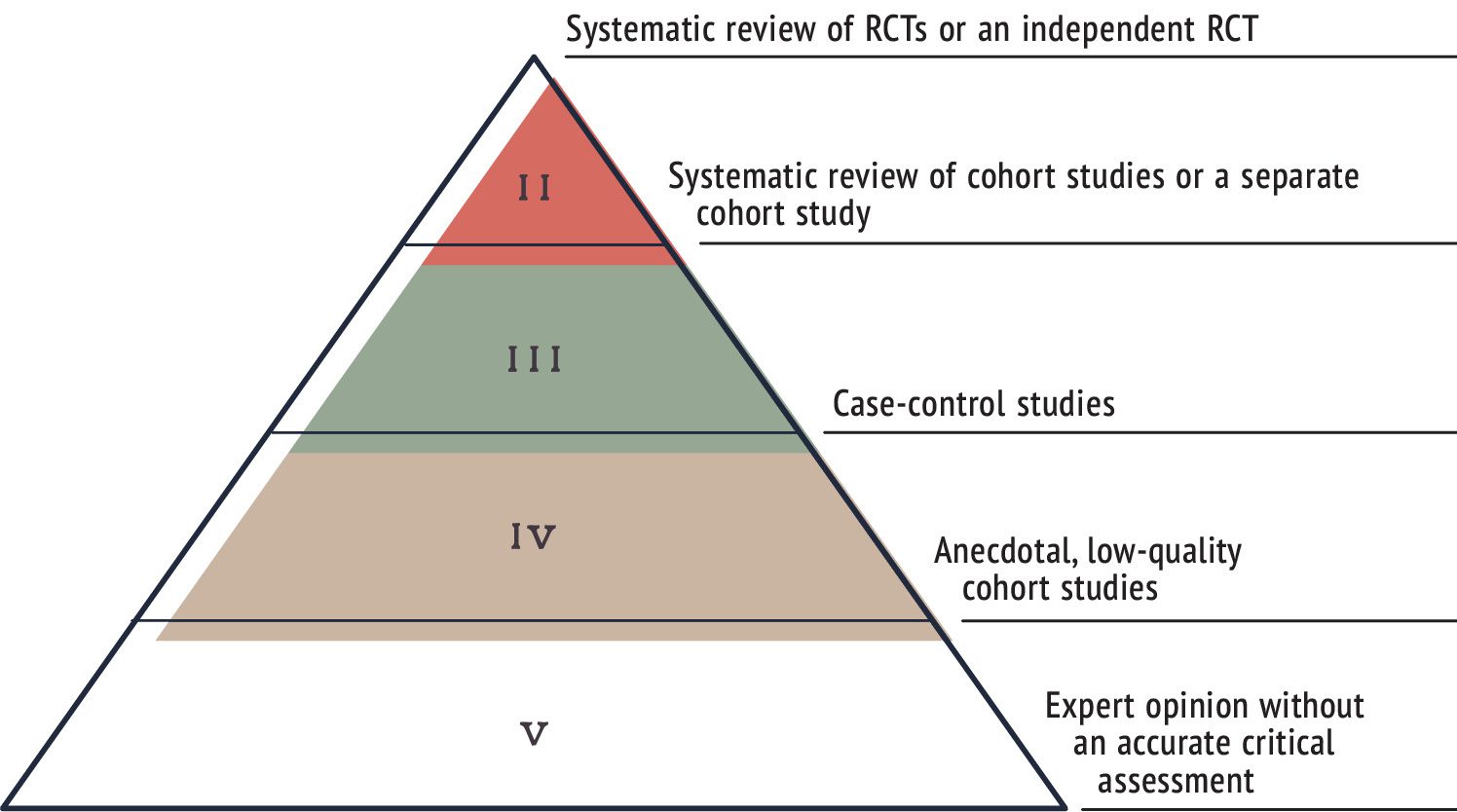
Levels of Evidence
Sometimes, it’s possible to get around this issue by combining several similar RCTs with small numbers of patients into one large study, called a systematic review or a meta-analysis. Some diseases, though, develop slowly, like diabetes, or their causes are not fully understood, as with some types of cancer. RCTs simply may not be possible to conduct in these cases.
In such a situation, researchers have to turn to other, less reliable sources of scientific information.
Observational studies are those in which doctors do not prescribe drugs but monitor the health of a large group of people over years (this is level 2, the highest after RCTs).
This type of study doesn’t give researchers total clarity, but it allows for the identification of the possible causes of various diseases.
Case-control studies (level 3) are similar to observational, only doctors monitor two groups: the first has some kind of disease, while the second is healthy.
If people from the first group smoke and have lung cancer, and the second group does not smoke or have lung cancer, you can assume that lung cancer has developed from smoking. However, this assumption must be proven.
Anecdotal evidence (level 4) is no more than an analysis of doctors’ findings on how they treated multiple patients with the same disease with a particular method.
This was the foundation for approximately all medical knowledge that was available until the 1970s.
Comments and opinions from medical experts (level 5) are the weakest sources of knowledge in terms of evidence.
Evidence-based doctors prefer to trust the opinion of experts only if there are no other sources of information at all.
Test Yourself
Suppose your opponent believes that homeopathy is effective, and as an example, he cites an article in which a doctor retells how he treated his patients with homeopathic methods and their condition improved. It’s immediately obvious that this doctor did not test this method on a control group, so the study belongs to level 4, anecdotal evidence.
You also have a powerful counterargument — a large, systematic review from Australia in 2015, which included 68 randomized controlled trials (level 1 evidence). This review clearly and unambiguously demonstrated that homeopathy does not work.
Evidence-Based Doctors
These doctors are similar in character to David Sackett. Evidence-based doctors always:
- Doubt their knowledge and look for the best ways to help the patient. Because of this quality, Dr. Sackett did not believe that a patient with hepatitis was obliged to remain on bed rest.
- Constantly ask questions of scientists and colleagues. Similarly, Dr. Sackett decided to find out whether bed rest was the appropriate treatment for a patient recovering from hepatitis.
- Critically assess the results that they receive. This is why Dr. Sackett trusted RCTs more than the opinions of his professors and more experienced colleagues.
- Apply acquired knowledge in practice. For this reason, Dr. Sackett allowed his teenage patient to walk around the hospital.
- Analyze the outcomes of treatments and draw conclusions. Dr. Sackett’s patient recovered, so the doctor reasonably concluded that he was right to go against the advice of his colleagues after all.
Testing for Evidence-Based Medicine
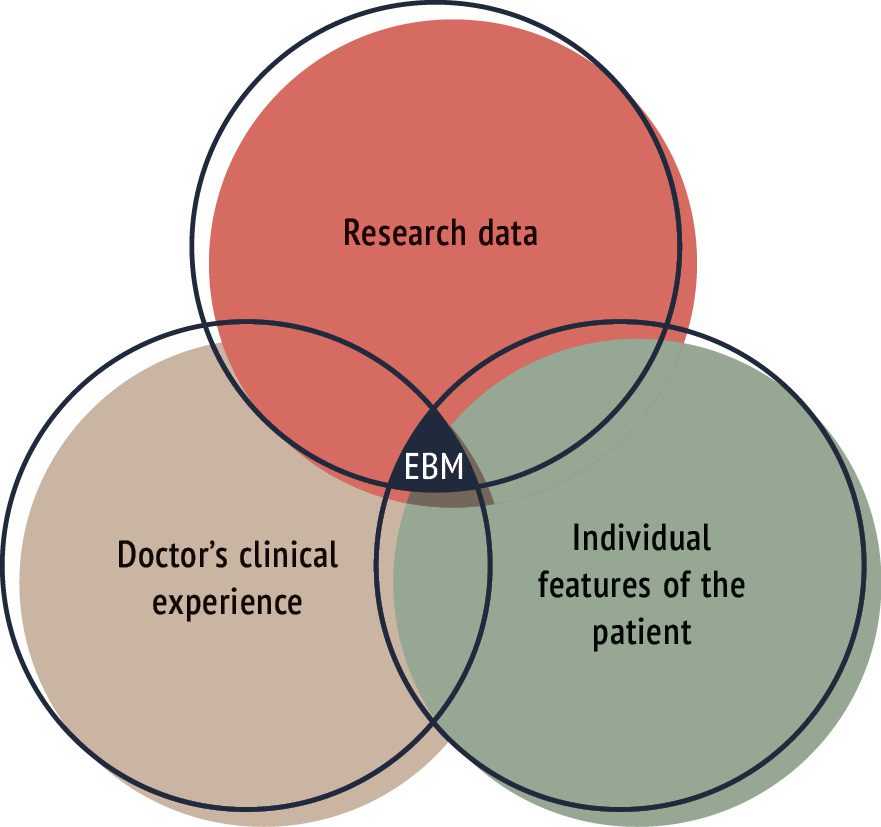
The easiest way is to go to an appointment and talk to your doctor. Usually, all you have to do is ask the doctor why they chose a particular method of treatment and find out which sources they relied on when making their decision. Most “evidence-based” doctors are happy to answer — because it means that you are serious about your health, are interested in recovery, and are likely to follow their recommendations. That’s all a good doctor needs.
However, among the evidence-based doctors, too, there are “Dr. Houses,” who might be excellent specialists but aren’t the best at talking to people. If your doctor is not ready to answer your questions, you can check out the efficacy of the prescription for yourself. How exactly?
Try reading evidence-based medicine blogs from licensed physicians, or check out a reputable website like RxList that offers full medical information and patient education surrounding prescription drugs. There, you can search for any of the medications that your doctor has prescribed, read about their uses and possible side effects, learn about their chemical structure, and even educate yourself about their risks.
If you experience any of the known negative effects of a given medication, you can ask your doctor why it was prescribed and find out if there are any alternatives. You should trust your doctor’s advice, but if they cannot justify a prescription, perhaps you’d better get a second opinion.
Dr. Monique Tello is a popular evidence-based medicine blogger and frequent contributor to the Harvard Health Blog
                </blockquote>
    Did you like the post? We invite you to read our other topics in <a href="https://oyla.us/category/education/">Education</a> category.
Follow us on Instagram.
<svg xmlns="http://www.w3.org/2000/svg" xmlns:xlink="http://www.w3.org/1999/xlink" id="Layer_1" x="0px" y="0px" viewBox="0 0 597.03 475.39" style="enable-background:new 0 0 597.03 475.39;" xml:space="preserve"><style type="text/css"> .st0{clip-path:url(#SVGID_00000021828697454809692600000004318893268413411000_);fill:#54A7B7;}</style><g> <defs> <rect id="SVGID_1_" x="63.22" y="2.39" width="470.59" height="470.65"></rect> </defs> <clipPath id="SVGID_00000125586198135712050590000014503595150480814249_"> <use xlink:href="#SVGID_1_" style="overflow:visible;"></use> </clipPath> <path style="clip-path:url(#SVGID_00000125586198135712050590000014503595150480814249_);fill:#54A7B7;" d="M352.92,237.74 c0-30.06-24.38-54.38-54.38-54.38c-30.06,0-54.38,24.32-54.38,54.38c0,30.01,24.32,54.38,54.38,54.38 C328.54,292.12,352.92,267.74,352.92,237.74 M440.15,237.74c0,78.06-63.55,141.62-141.62,141.62 c-78.12,0-141.62-63.55-141.62-141.62c0-78.12,63.5-141.62,141.62-141.62C376.6,96.12,440.15,159.61,440.15,237.74 M533.83,237.74 c0-129.78-105.58-235.3-235.3-235.3c-129.78,0-235.3,105.52-235.3,235.3s105.52,235.3,235.3,235.3 C428.26,473.03,533.83,367.51,533.83,237.74"></path></g></svg>