The birthplace of traffic signs is thought to be Paris. In 1908, the first World Road Congress was held here, and the very first traffic signs were adopted: “bump,” “curve,” “intersection,” and “grade-level railroad crossing.” Gradually, the number of traffic signs increased, and today there are many dozens of different systems for their use.
Then came standardization. In most European countries and the Soviet Union, a symbol system was used, while in the US, Australia, and New Zealand, traffic signs featured text. In some Asian and South American countries, a combined system was in place. There was no one unified standard until the 1968 UNESCO Vienna Convention on Road Traffic, which adopted the Convention on Road Signs and Signals. The new symbol system included only one text-based sign, the octagonal “STOP” sign. However, the designs were never fully standardized. Each country uses its own fonts and design styles for indicating localities and directions.
The “watch for children” sign in various countries
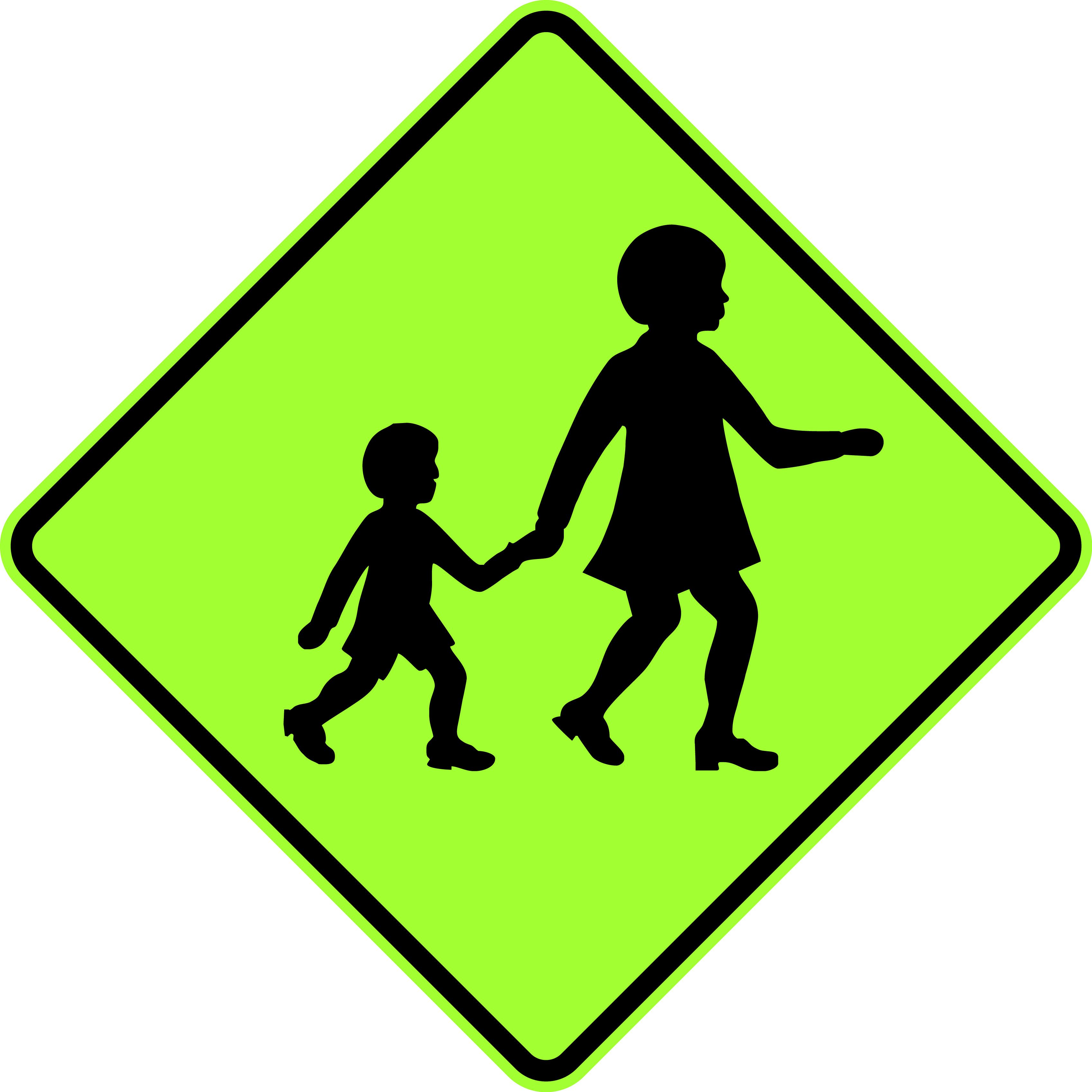
Australia
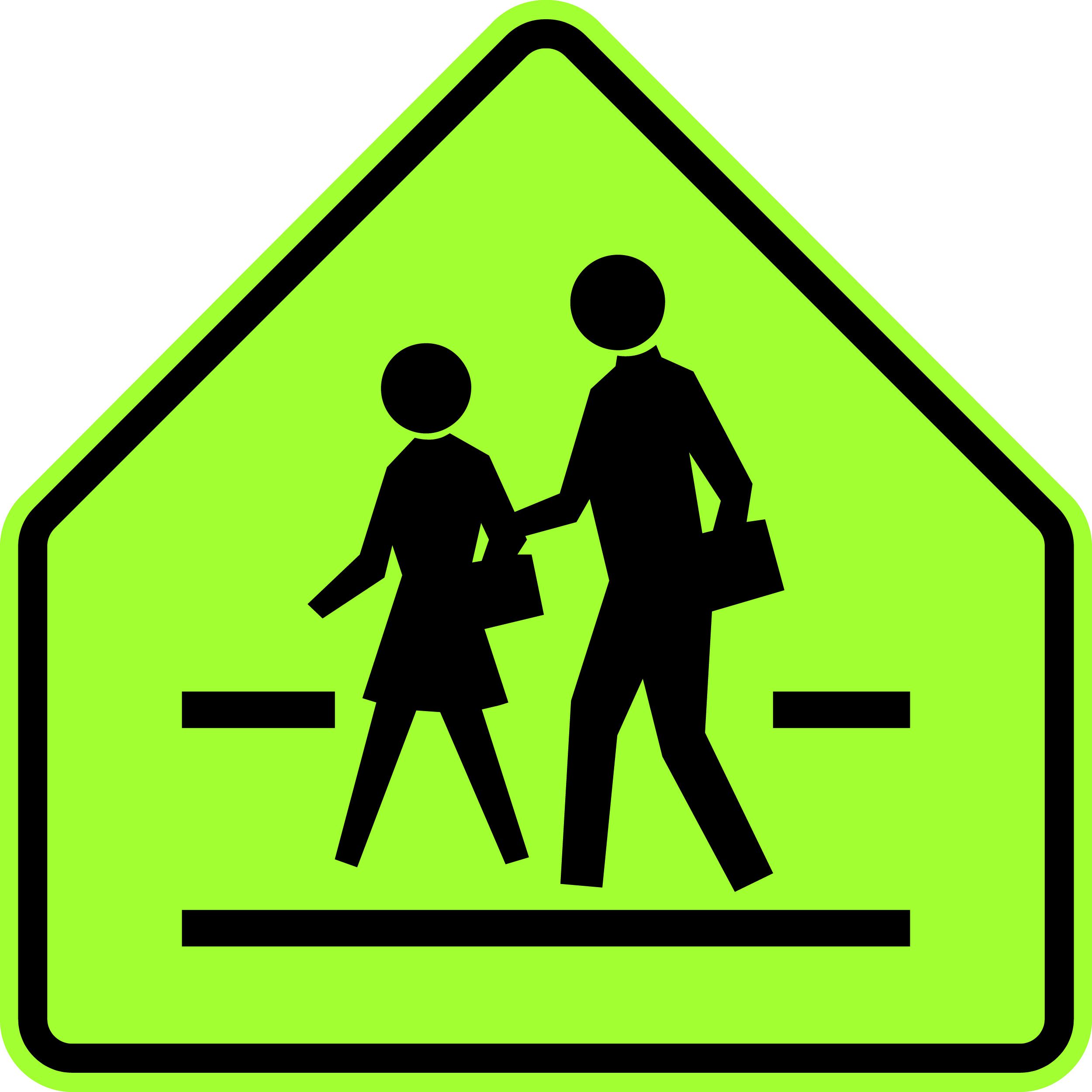
Philippines
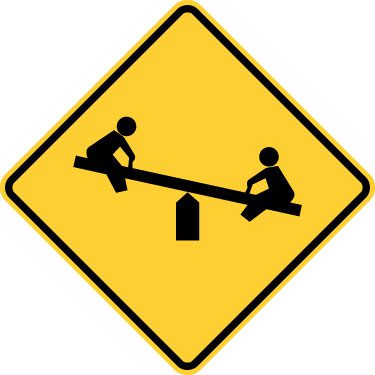
US

Japan

Kazakhstan

Austria
Despite the variety in signs, they all have their own logic and system. Signs in the shape of a triangle are warnings; circles denote commandments, and rectangles present information. Additionally, the color red indicates rules that should not be broken, such as a “30 mph speed limit.” Moreover, blue usually gives compulsory commands, such as “Drive straight or turn right in this lane.”
In a world of over 1.3 billion cars, we’d be lost without traffic signs. Perhaps once all cars become self-driving, the need for signs will disappear. But that’s a whole other conversation.
Post on topic: Why Do Traffic Signs Look The Way They Do?
Did you like the post? We invite you to read our other topics in Education and other interesting categories.
Follow us on Instagram.
Listen our audio podcasts.
<svg xmlns="http://www.w3.org/2000/svg" xmlns:xlink="http://www.w3.org/1999/xlink" id="Layer_1" x="0px" y="0px" viewBox="0 0 597.03 475.39" style="enable-background:new 0 0 597.03 475.39;" xml:space="preserve"><style type="text/css"> .st0{clip-path:url(#SVGID_00000021828697454809692600000004318893268413411000_);fill:#54A7B7;}</style><g> <defs> <rect id="SVGID_1_" x="63.22" y="2.39" width="470.59" height="470.65"></rect> </defs> <clipPath id="SVGID_00000125586198135712050590000014503595150480814249_"> <use xlink:href="#SVGID_1_" style="overflow:visible;"></use> </clipPath> <path style="clip-path:url(#SVGID_00000125586198135712050590000014503595150480814249_);fill:#54A7B7;" d="M352.92,237.74 c0-30.06-24.38-54.38-54.38-54.38c-30.06,0-54.38,24.32-54.38,54.38c0,30.01,24.32,54.38,54.38,54.38 C328.54,292.12,352.92,267.74,352.92,237.74 M440.15,237.74c0,78.06-63.55,141.62-141.62,141.62 c-78.12,0-141.62-63.55-141.62-141.62c0-78.12,63.5-141.62,141.62-141.62C376.6,96.12,440.15,159.61,440.15,237.74 M533.83,237.74 c0-129.78-105.58-235.3-235.3-235.3c-129.78,0-235.3,105.52-235.3,235.3s105.52,235.3,235.3,235.3 C428.26,473.03,533.83,367.51,533.83,237.74"></path></g></svg>