Rare and Expensive
Coins: Shaping History and Economy Through the Ages.
How many different precious metals do you know? Of course, three will quickly come to mind: gold, silver, and platinum. This list, though, ought to include iridium, osmium, palladium, rhodium, and ruthenium — all of whose main practical quality is corrosion resistance. Unlike iron that rusts and copper that turns green, gold and silver are able to resist aggression from oxygen and retain their marketable appearances. Therefore, it’s only natural that these precious metals, rare and difficult to extract, have long served as the measure of the value of goods.
The prominent American economist and Nobel laureate Milton Friedman considered the main coin metal in history to be “silver, not gold.” Indeed, when compared with gold, silver money is issued more often by an order of magnitude. In addition, the gold coins of antiquity and the early Middle Ages were actually made of electrum, a naturally-occurring gold-silver alloy, in which the silver content could reach 50 %.
Silver in the form of nuggets has been found across almost all regions where great civilizations once stood. Anatolia, the Greek mines of Laurion, Iberia, and Carthage is a short list of silver suppliers in the ancient world. It wasn’t easy to extract silver everywhere, so its supply could never increase dramatically. This restriction served as a reliable basis for commodity exchange, but sometimes this balance was broken, and real economic crises broke out.
Maritime routes for the export of precious metals
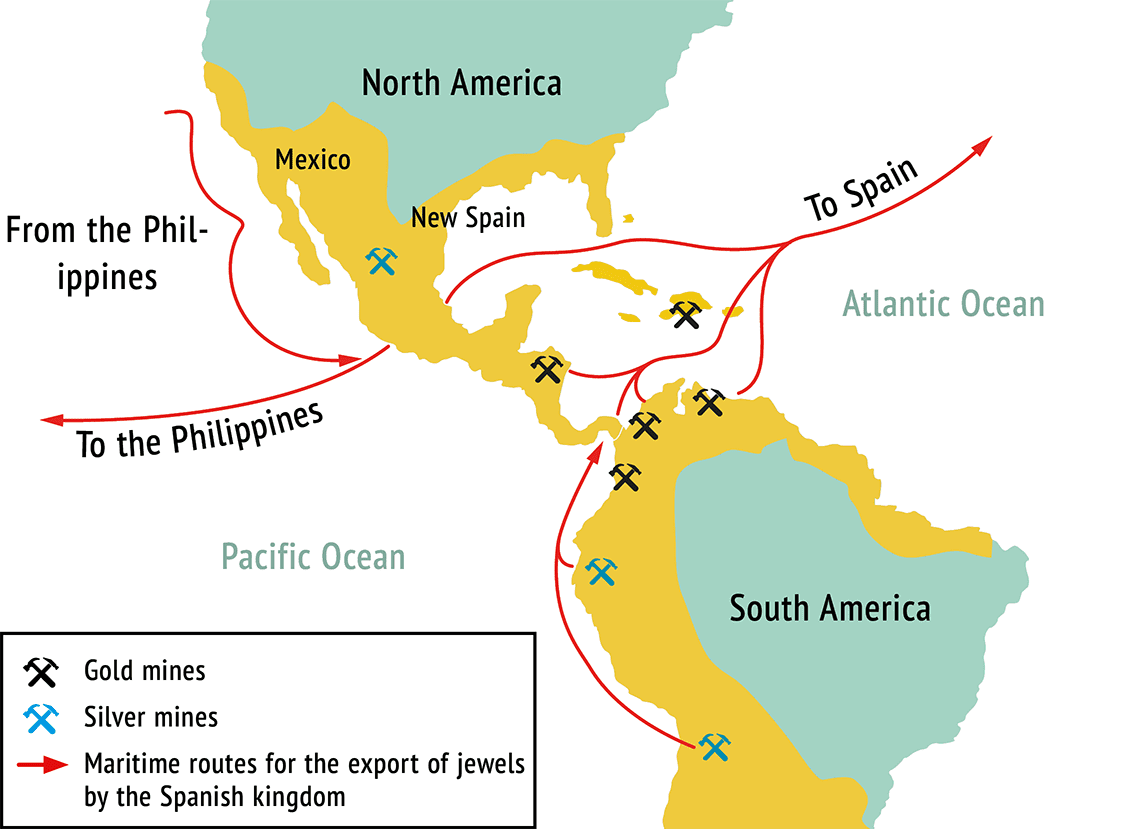
For example, Spain in the 16th century was nearly the sole owner of the richest deposits of silver in Mexico and Bolivia, from which the Treasury of the Empire was abundantly replenished. It reached the point that over 90 % of all transported goods from overseas were silver bars. The effect of these treasures, though, was unexpected: historians call this the “Spanish Price Revolution.”
The uncontrolled increase in the supply of silver disrupted the relationship between the number of goods on the market and the precious metal. As a result, silver began to rapidly devalue, which led to an even more rapid increase in prices. Economists call this inflation. In such circumstances, producers of goods aren’t able to plan, and buyers can’t afford goods because prices increase faster than their income. This price revolution undermined the economy of the Spanish superpower, and its golden age became a copper one. Therefore, the type of money itself is not as important as the complex interactions that arise when it is circulated in the economy.
The World’s Biggest Coin

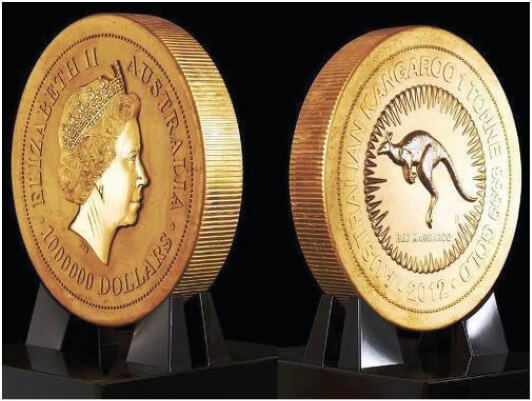
The largest coin ever created by man weighed 2,231 lb. This coin, the so-called Australian Gold Nugget, was minted for a whole year-and-a-half by the Australian Perth Mint and introduced in October 2011. The reason for its release was a meeting of the heads of state of the British Commonwealth — a union composed of Great Britain and its former dominions, colonies, and dependencies.
On the obverse (front) side of the coin was a portrait of Queen Elizabeth II, the formal head of Australia, and on the reverse (back) side was a large red kangaroo. At a nominal value of AUD $1 million, a coin with a diameter of 31 in and a thickness of 4.7 in is worth over 35 million pounds sterling.
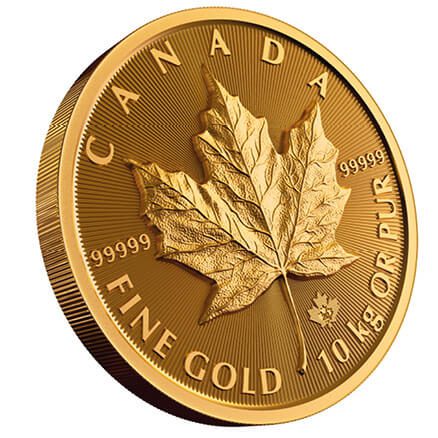
Behind this unique Australian coin stand the former record holders in this regard — the 220-lb Canadian Big Maple Leaf with a value of CAD $1 million (diameter: 21 in, thickness: 1 in), and the 68.6-lb Austrian “Big Phil” with a denomination of €100,000, issued in October 2004 in only 15 copies. In comparison with the Gold Nugget, though, they seem rather modest.
Things Have to Get Worse Before They Get Better
Interestingly, for some reason, the Spanish kings didn’t resort to a time-old royal approach to fixing things: a deliberate reduction in the share of precious metal in coins. This was widely practiced in Rome. In this way, under Emperor Nero, the daily salary of a legionary — a silver denarius originally weighing 4.5 g—“slimmed down” to a mere 3.8 g. Emperor Gallienus began producing denarius from an alloy of silver and copper (a so-called master alloy), and Aurelian was able to achieve a silver content of only 2%, nearly turning the denarius into a copper coin.
There was another way to reduce expenditure on silver — by trimming down the coin. This worked especially well if the coin was shaped irregularly. Just pinch off a barely noticeable crumb and, with a circulation numbering in the thousands of copies, you’ll be able to save on materials considerably!
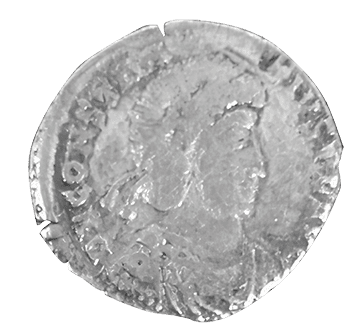

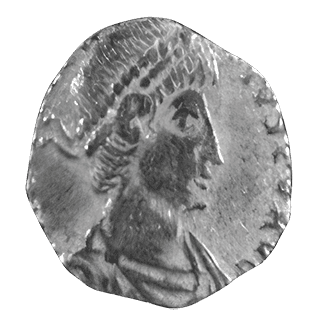
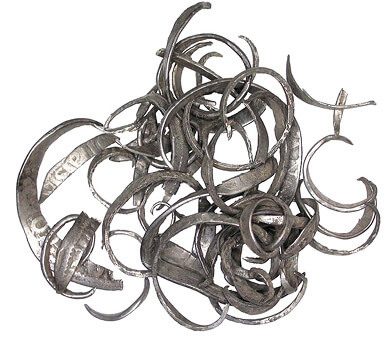
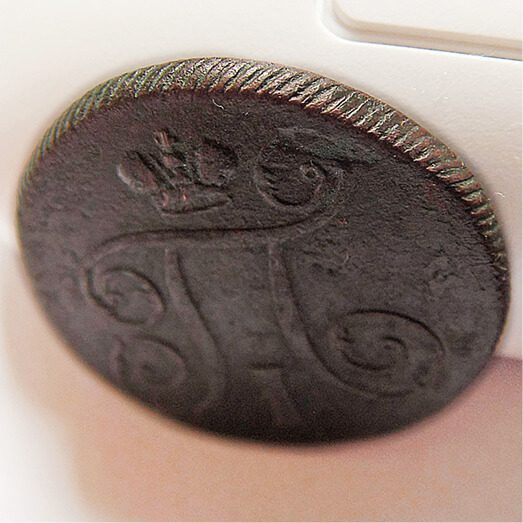
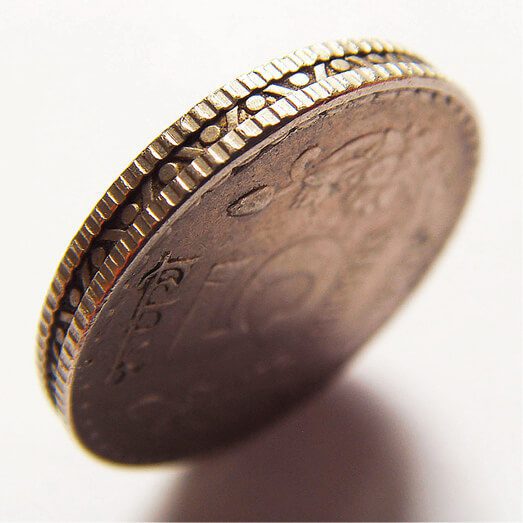
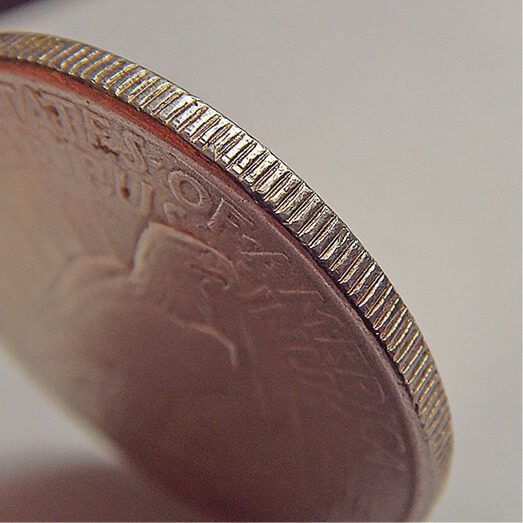
This method was successfully employed not only by rulers but also by fraudsters. A solution to this problem, which we still use today, was proposed by Isaac Newton: the edges of coins are finished with reeding, ridges, or inscriptions on the surface sides.
Main types of coin edges

Coins | Minting Means Stamping
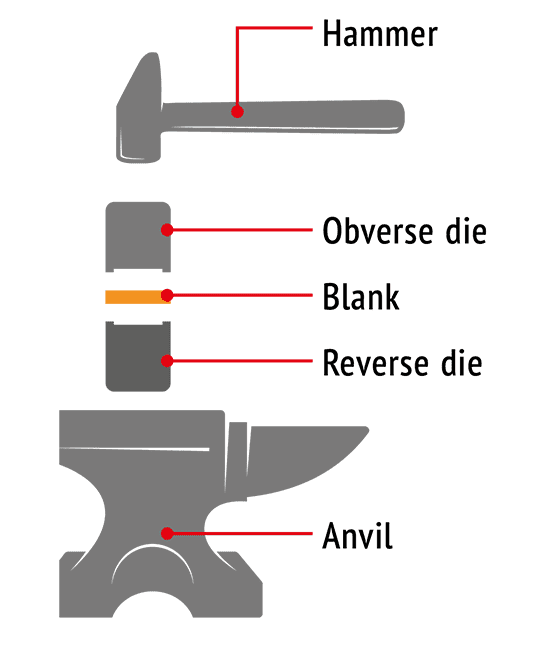
It’s well-known that precious metals are plastic and melt at temperatures around 1800 °F. Contrary to expectations, though, the main technology involved in coin making was not casting (used more often by counterfeiters) but minting. However, no one sat hammering away at each individual coin: things were done in a much more high-tech sort of way. The master coin maker placed a molded, heated tablet on a bronze stamp, making a sort of “negative” of the obverse. Then, a top stamp was applied to make a “sandwich,” a three-dimensional model of the reverse, and the process was completed with a strong hammer blow. All that was left was to shake out the coin and check it for defects.
Bronze stamps for minting wore out quickly. Therefore, antique coins are quite different from each other, even though their differences in age may be only a matter of days.
Minting Techniques and Anti-Counterfeiting Measures
Minting allowed for relief transfer of small ornamental details and, to a certain extent, protected the coins from the possibility of forgery. For example, counterfeit coins were characterized by a porous surface due to an abundance of cavities (empty spaces formed by air bubbles), a lack of small details, liquid metal filling, and other features. Moreover, tin and lead were often added to the alloy, so a forgery could be detected by its softness — this is where we got the tradition of checking the veracity of coins by biting them.
                                    <figure>
                                    <img width="674" height="760" src="https://oyla.us/wp-content/uploads/2023/07/img02-1.jpg" alt="An illustration of two men working at a table, discussing the history of coins and silver." />                                          <figcaption>Coiners</figcaption>
                                    </figure>
    <p>The Romans, who built a massive empire, needed a considerable amount of money, so they streamlined the coin-making business. Their main achievement was the process of producing blanks, or “tablets,” a forerunner of powder metallurgy: a bar of silver, dispensed for the production of a certain number of coins, was crushed into dust and mixed with master alloy shavings (most often copper).
Then, the thoroughly-mixed powder was scattered over heat-resistant ceramic molds and loaded into the oven, where it was baked into a flat, rough billet. All that was left was to forge the billet and transfer it, while it was still hot, to the coiners.
Roman coin makers used durable iron stamps for the obverse side, the one showing the profile of the emperor. They were cut with special care, full of tiny details. For the reverse, a weaker bronze stamp was used, and this side was much easier to design. For a long time, the obverse and reverse sides were oriented randomly. It was only at the end of the history of the Roman Empire that the invention of paired stamps gave coins a more or less modern appearance with a strict aspect ratio.

In the Glow of Former Glory
After the collapse of the Roman Empire, the centralized (and therefore unified) monetary unit lost its significance for a long time. Most of the post-Roman population of Europe preferred natural bartering, since in most cases it was only possible to trade with nearby neighbors. Only the Gauls minted their own coins, but when it came to standardized monetary calculations, the remnants of Roman coins were used.
It took more than 500 years and many epochal historical events — the rise and death of the empire of Charlemagne, the Norman conquest of Britain, the Crusades, the Mongol Invasion, Venetian rule in the Mediterranean, the Hundred Years’ and Thirty Years’ Wars, the fall of Constantinople, the Spanish Reconquista, and many more — before coins reached some degree of unification. Silver thalers and Venetian gold ducats were in general circulation. Their production is associated with the appearance of the press, a smaller variation of a pile driver adapted for minting.
Innovative Techniques: Minting Large Coins Through History
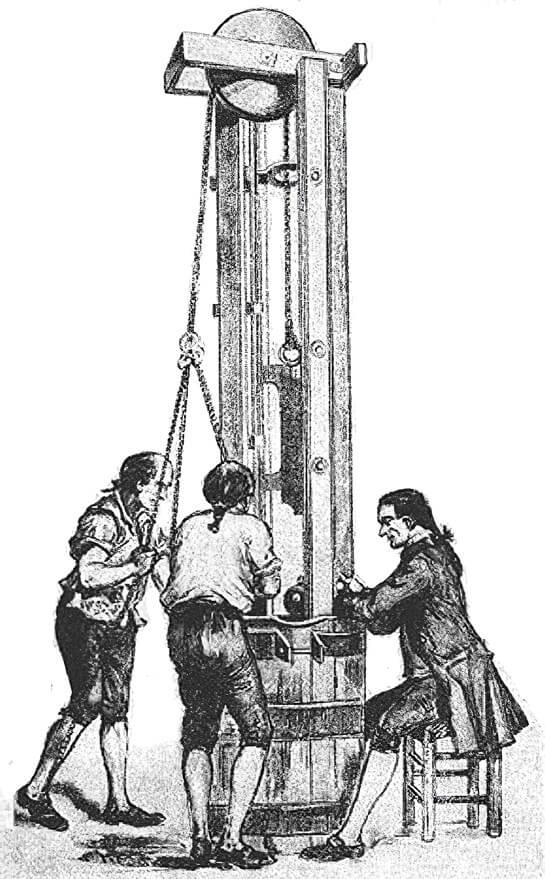
It’s nearly impossible to strike large coins like thalers (over 1.5 inches in diameter) with only a sledgehammer and muscle power, but if you take a heavy log, fix a stamp on one end and drop it from a great height — now you’re in business! On the one hand, the presses alleviated the problems associated with minting large coins. On the other hand, they had very low performance: after each coin was hammered, the log would have to be lifted all over again.
There was one other difficulty: the rapid wear of the stamps. Coin makers solved the problem elegantly — why not mint the stamps themselves? Soon, coin minting came to involve die — hardened steel rods with three-dimensional images of the obverse and reverse sides carved into their ends.
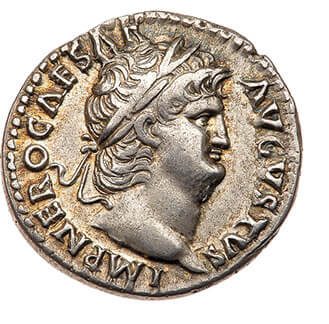
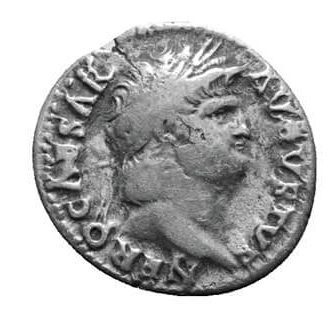
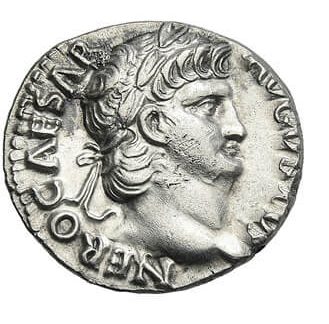
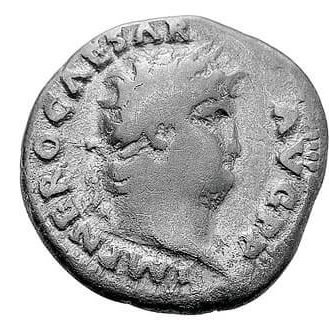


Coins minted under Emperor Nero. Due to rapid wear on the stamps, no two coins were ever identical.
Coins | In the Flow!
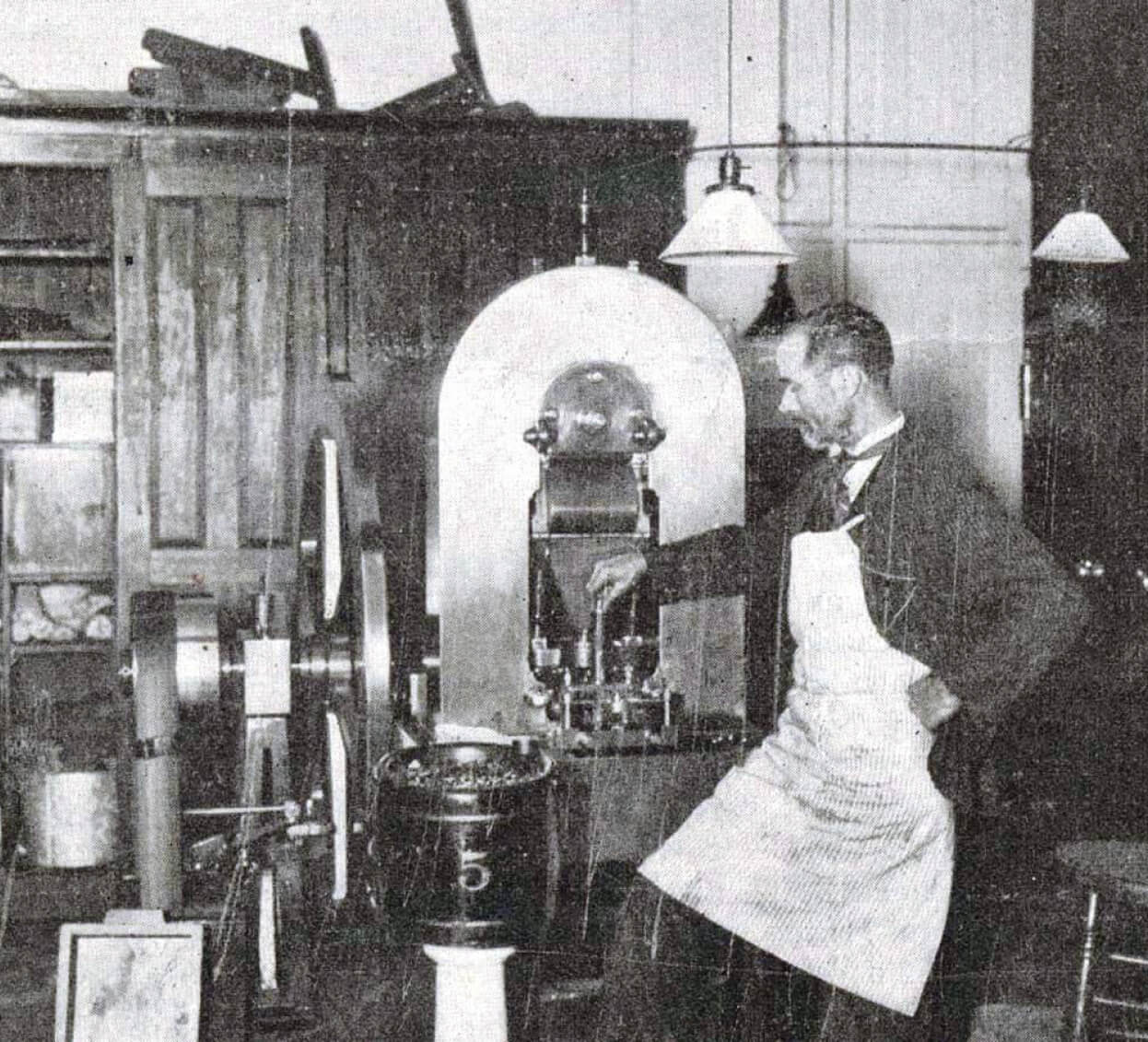
The real technical breakthrough came only later. First, the coin minters adapted rollers — polished steel cylinders with a small gap between them — for their use in rolling sheets of blanks. If you pass a sheet of plastic metal through a row of such cylinders with increasingly smaller gaps, at the end you get a product with the right thickness, from which round pieces (the blanks of future coins) can then be cut by a sharpened steel tube.
These blanks were sorted by weight, and those tablets that met the standards were processed further. Next came annealing, barreling (the process of rotating the blanks with steel balls inside a special drum), bleaching in a weak acid solution, collection, addition of a rim around their perimeters, and so forth. The finished blanks were polished until they gave off a mirror-like sheen and, if they met the standards for weight, were delivered to the stamping area, called coinage back in those days. Rather than the large pile driver, they used old-fashioned presses, first spiral and later hydraulic.
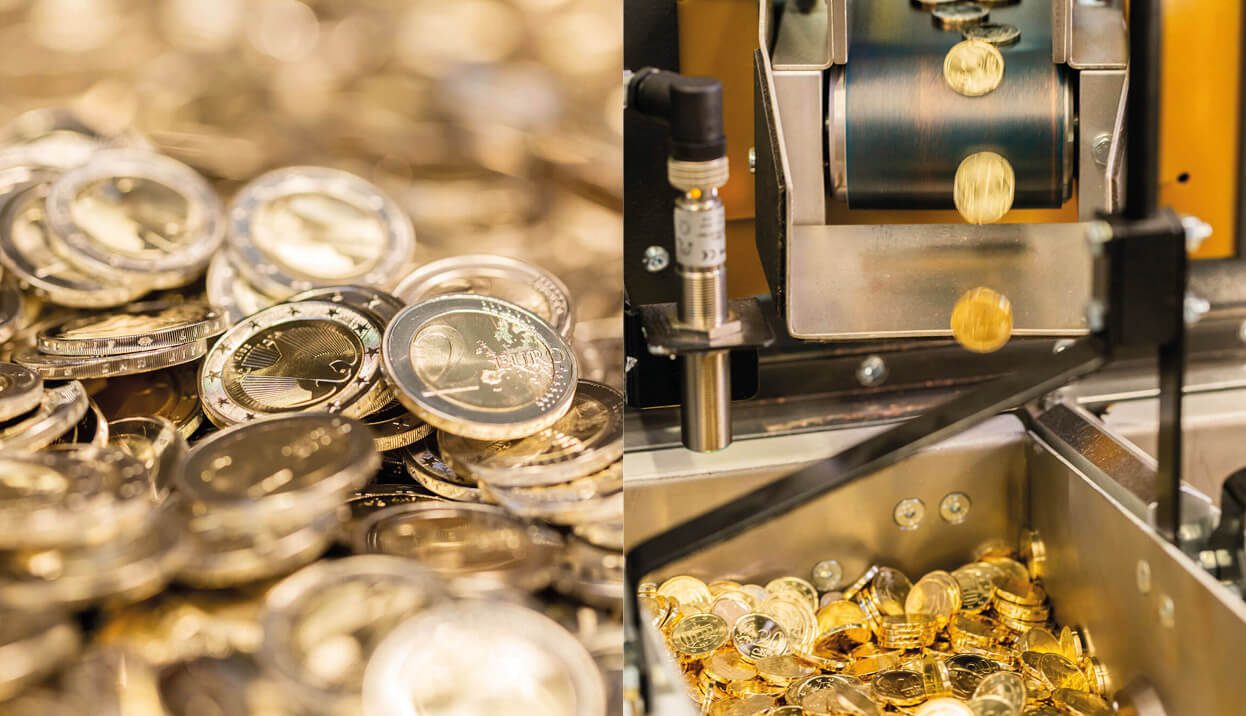
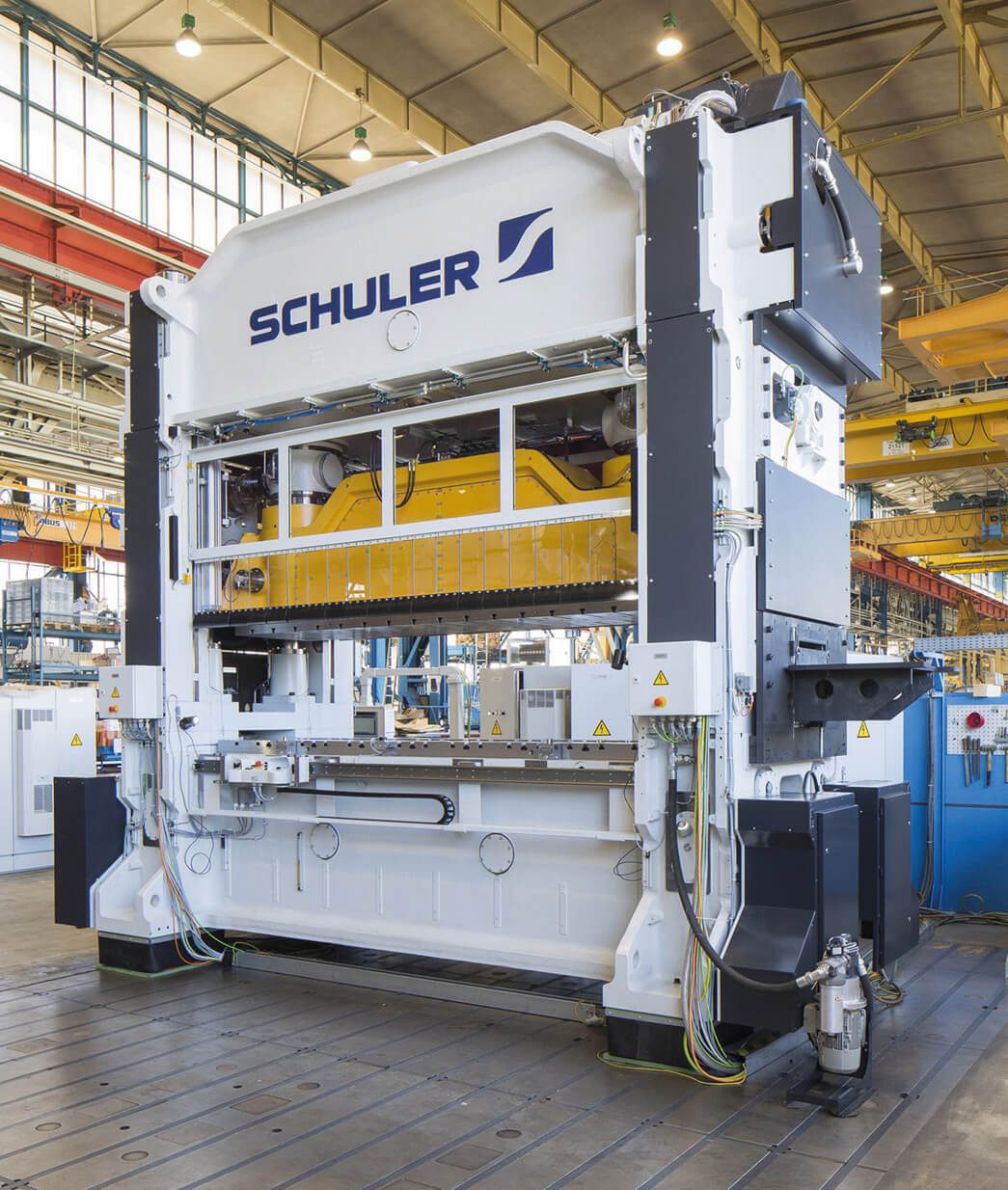
Interestingly, modern press machines, for example, those produced by the German manufacturer Schuler, build up a force of over 220 t and can mint 800 pieces in the span of…just one minute.
German and Austrian coin makers, by the way, also came up with the system of cutting stamps on rolling cylinders, thus killing two birds with one stone. This is why many Renaissance-era thalers are slightly curved.
Just Like Centuries Ago
This order of operations is still in use today. The main difference is in material: steel, copper alloys with zinc or nickel (brass and nickel silver), aluminum, and pure nickel are the most common modern materials for making coins. Sometimes, when there is a shortage of metals or someone wants to create something original, exotic materials are used, like porcelain, ceramics, plastics, pressed coal, and wood. In 2006, for example, in the Democratic Republic of the Congo, a 10-franc coin made out of pink beech wood was minted with a built-in 10-ruble coin bearing the image of the Russian city of Kaliningrad! Only 50 copies were put into circulation, however.
Coins can be very demanding. Silver and gold coins are subject to the Gresham-Copernicus law, which states that “bad money drives out good.” Its essence is simple: “good” money refers to those coins whose internal value is higher than either its nominal value or the “bad” money in circulation that has an equal nominal value. For example, if you had a gold coin and a number of bills equivalent to its value, you would most likely spend the paper money, and the coin gold would eventually be set aside in a safe or bank vault, thus falling out of circulation.
Coins come in all shapes and sizes
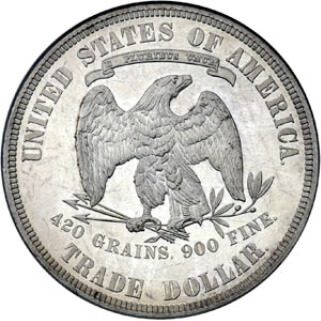
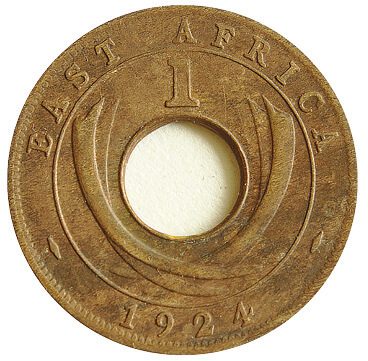
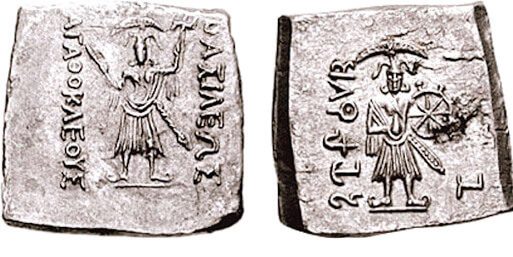
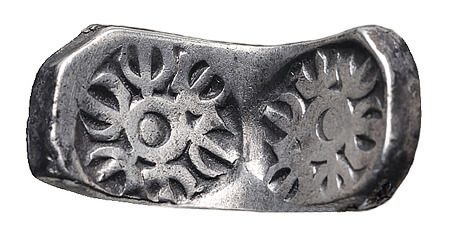
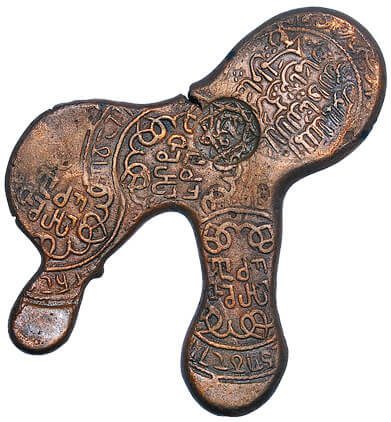
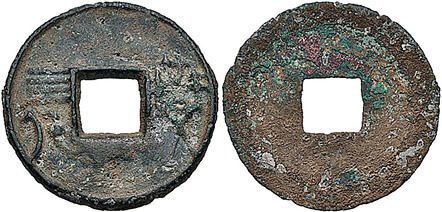


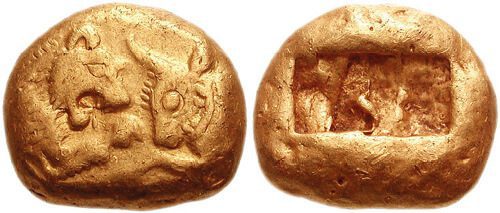
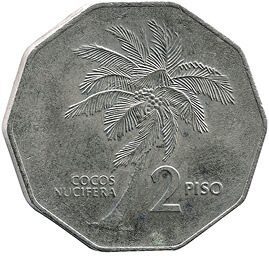
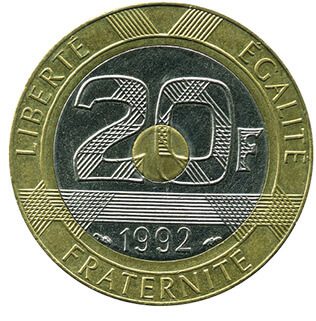
Resistance against wear and protection against forgery are very important for coins since equivalence between the nominal value and actual price of the material has long been a thing of the past. A state’s central bank is now responsible for the solvency of its coins, and they are dedicated to keeping their production costs as low as possible. The vast majority of them succeed: the cost of issuing paper banknotes is about 1 % of their face value, while metal coins average around 15 %. The worst record holder in this regard belongs to the Russian kopeck of 1991: its production price exceeded its nominal value by 4.6 times! In 2012, kopecks were discontinued — and thus ended almost half a millennium of the coin’s history.
The digital present and future have left metal coins almost no chance for survival. Increasingly, money is becoming a series of zeros and ones written into the memory of electronic devices.
The Decline of Cash: Trends in the Digital Economy
Cash occupies an ever-smaller share of the global money supply, representing an archaic and outdated component of the digital economy. The authoritative consulting company G4S, which specializes in financial market research, provided the following data in their 2018 World Cash Report: in 2016, cash accounted for 14 % of financial transactions in South Korea, 20 % in Sweden, and 32 % in the United States. Although the overall share of cash still makes up about half of all transactions worldwide, there is an emerging trend — paper bills and coins are gradually making their way out of circulation.
Post on topic: Coins: Shaping History and Economy Through the Ages.
Did you like the post? We invite you to read our other topics in Education category.
Follow us on Instagram.
<svg xmlns="http://www.w3.org/2000/svg" xmlns:xlink="http://www.w3.org/1999/xlink" id="Layer_1" x="0px" y="0px" viewBox="0 0 597.03 475.39" style="enable-background:new 0 0 597.03 475.39;" xml:space="preserve"><style type="text/css"> .st0{clip-path:url(#SVGID_00000021828697454809692600000004318893268413411000_);fill:#54A7B7;}</style><g> <defs> <rect id="SVGID_1_" x="63.22" y="2.39" width="470.59" height="470.65"></rect> </defs> <clipPath id="SVGID_00000125586198135712050590000014503595150480814249_"> <use xlink:href="#SVGID_1_" style="overflow:visible;"></use> </clipPath> <path style="clip-path:url(#SVGID_00000125586198135712050590000014503595150480814249_);fill:#54A7B7;" d="M352.92,237.74 c0-30.06-24.38-54.38-54.38-54.38c-30.06,0-54.38,24.32-54.38,54.38c0,30.01,24.32,54.38,54.38,54.38 C328.54,292.12,352.92,267.74,352.92,237.74 M440.15,237.74c0,78.06-63.55,141.62-141.62,141.62 c-78.12,0-141.62-63.55-141.62-141.62c0-78.12,63.5-141.62,141.62-141.62C376.6,96.12,440.15,159.61,440.15,237.74 M533.83,237.74 c0-129.78-105.58-235.3-235.3-235.3c-129.78,0-235.3,105.52-235.3,235.3s105.52,235.3,235.3,235.3 C428.26,473.03,533.83,367.51,533.83,237.74"></path></g></svg>