Heat Islands
The most obvious distinction of an urban climate is warmer <b>air temperatures</b> compared to surrounding rural areas. This is characteristic of most cities, and the bigger the city, the larger the temperature difference. For example, Moscow averages 3.6°F warmer than nearby areas, and sometimes the difference can reach up to 27°F! The difference between urban and rural temperatures is most noticeable during the winter, especially on cold nights. The colder the night, the greater the difference.
This is not surprising — during the winter, buildings require heating. Some of the heat inevitably escapes outside through the walls, roofs, and especially the windows, which warms up the surrounding air. Lower temperatures lead to an increase in heating; thus, more heat gets released into the air. That’s why the most significant temperature difference between the city and countryside occurs on polar nights in the Far North. For example, the city of Norilsk is often 18 degrees warmer than the surrounding tundra. However, official weather reports don’t reflect this trend: the city’s only meteorological station is positioned on the outskirts, near the airport, and thus doesn’t account for the local “heat island.”
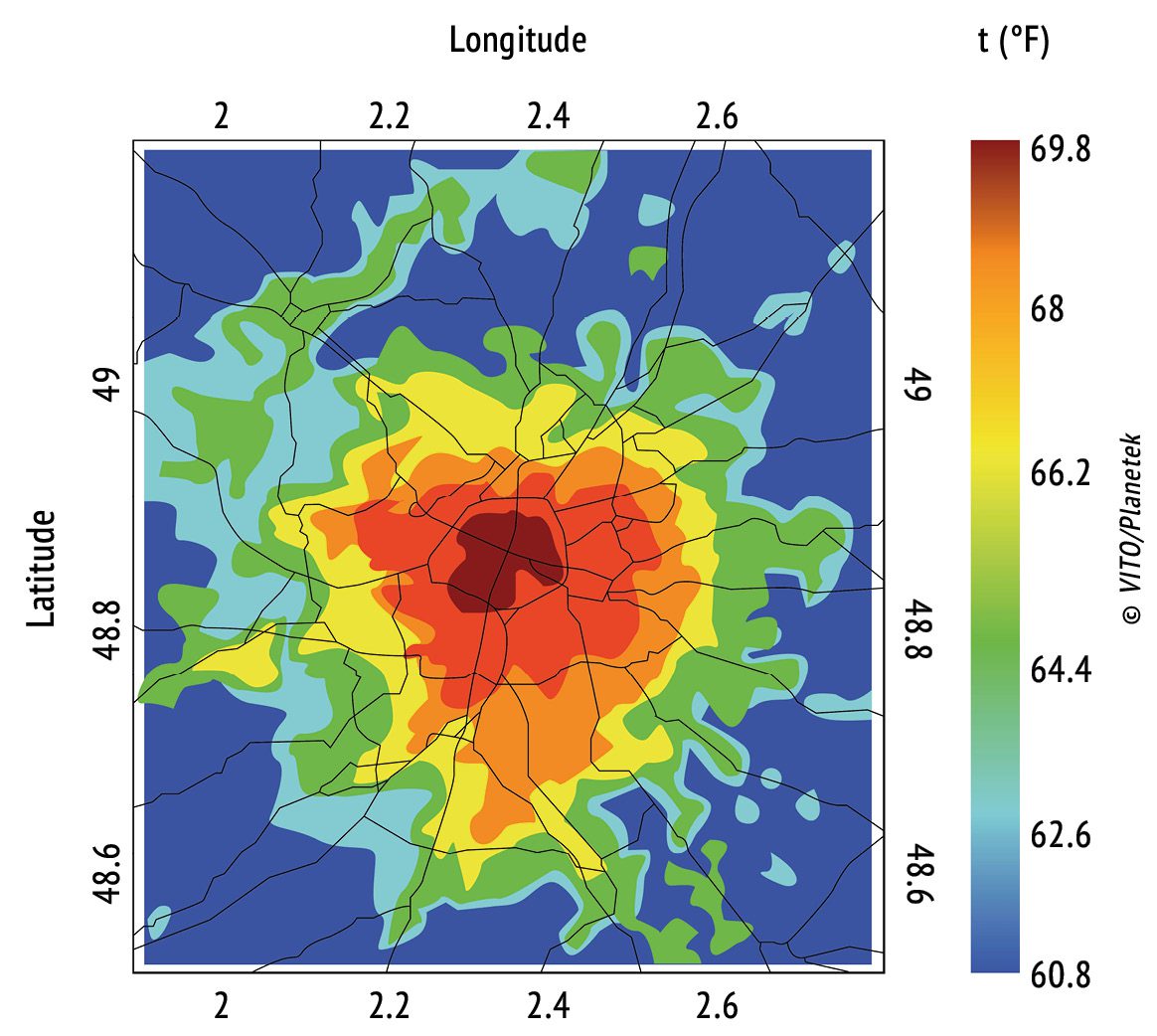
Urban Heat Islands
Still, cities can remain “heat islands” even in the summertime, when there is no indoor heating. In this case, another mechanism is at work: concrete and asphalt warm up significantly during the day and give off heat in the evening and at night. Another source of heating is air conditioners (which cool buildings down by releasing excessive interior heat into the air outside) and exhaust fumes from vehicles. In the middle of the day, the temperature within and outside the city may be almost the same. Late in the evening, when the fields and grasslands in the countryside cool down while urban roads and walls continue to radiate warmth, the difference can be extreme. For example, at around 11 p.m. in New York, the difference can go up to 21.6°F.
Wind in the City
On average, wind speeds are lower in the city than in the nearby countryside because buildings obstruct wind flow. Wind speed is particularly low in courtyards — areas surrounded by houses from all sides. Conversely, when a city has long, straight avenues surrounded by tall buildings, it creates strong winds even when the wind doesn’t move in the same direction as the avenue. Tall buildings can also stop the wind from moving evenly, causing higher winds around the buildings’ corners. This is why the wind in the city can break and topple centuries-old trees and lamp posts, while the adjacent rural area will be affected less.

Urban breeze diagram
On wind-free and clear days, specific forms of wind circulation emerge in the city. One of them is the so-called urban breeze. Breezes are unique because they can change direction based on the time of day. The most well-known is the sea breeze, which blows from the cooler sea towards the warmer land during the day, and from the colder land to the warmer sea at night.
In cities, the breeze flows from the cooler peripheries to the hot city center in late afternoons and evenings. Late at night and early in the morning, a city can even be a little cooler than the nearby countryside, and the breeze blows in the opposite direction.
Air circulates even inside city streets. On sunny days, it rises along the warm walls that absorb the sunlight and moves down the colder walls in the shade. At night, the walls quickly lose heat; thus, the air falls near the walls and rises in the middle of the street.
Clouds, Rain, and Sunlight

Because the city is warmer than its surroundings, the air above it rises. As the air rises, it forms clouds that lead to heavy rains. Therefore, cities experience more rainfall — for example, in Chicago, annual precipitation averages 36 in, whereas in the nearby suburbs, it is around 20 in.
Furthermore, cities are a source of water vapor, which leads to frequent fogs. Water vapor is contained in vehicle exhaust gases; it’s released in large quantities by factories and especially thermal power stations. During the winter, vapour forms over urban bodies of water heated by wastewater.
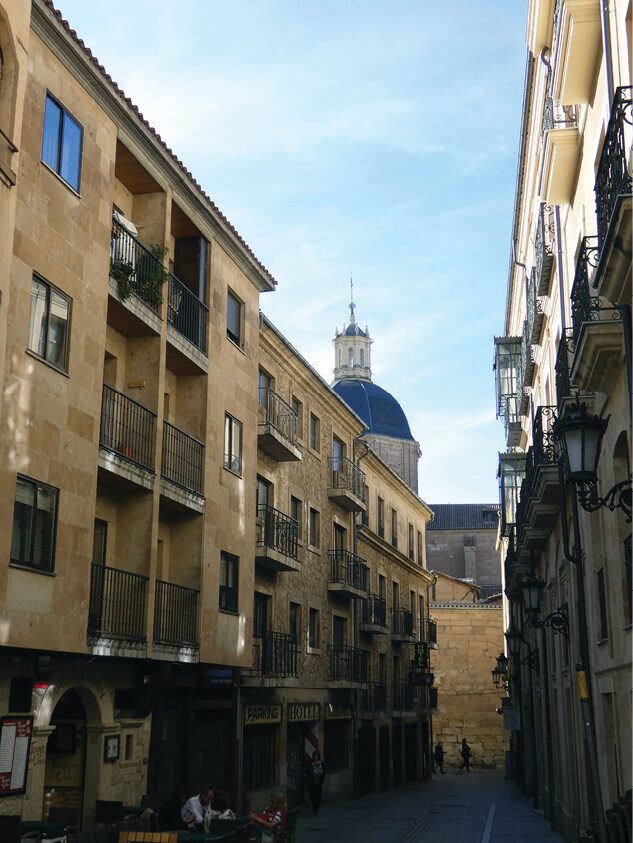
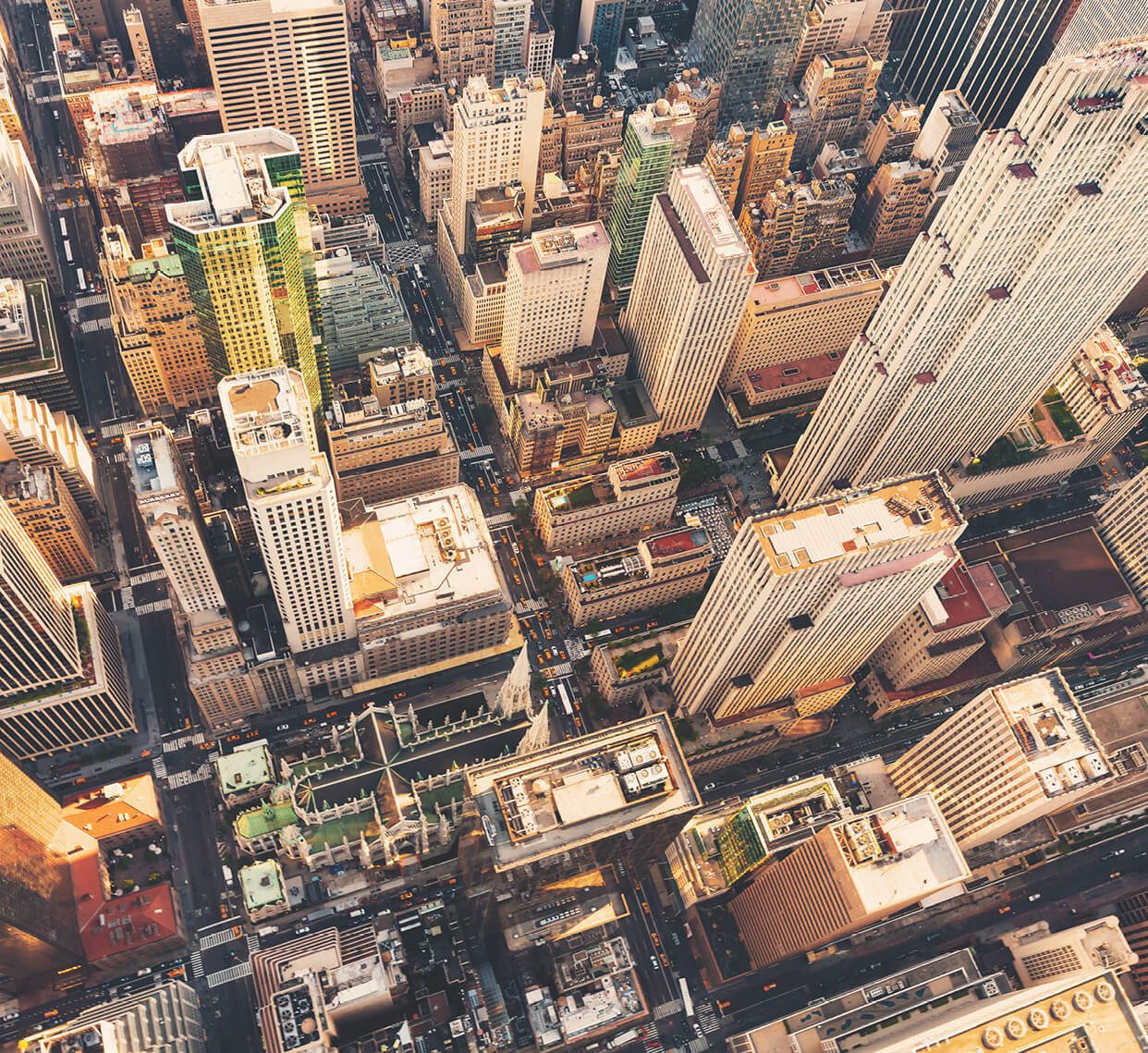
Due to the air pollution from dust and aerosols, as well as tall buildings blocking the sunlight in mornings and evenings, solar radiation in cities is reduced by 10–20 %, and its ultraviolet component falls by 40 %. Moreover, daylight hours in the city are 15–20 minutes shorter. This effect is most visible in American downtown areas, where narrow streets are lined with rows of skyscrapers. A similar effect, but on a smaller scale, can be observed in the medieval cities of Western Europe.
Improving the Urban Climate
Features of the urban climate present both advantages and disadvantages for its inhabitants. For example, higher temperatures in winter can be favorable: people feel less cold, and there is less snow, which means fewer resources are spent on cleaning the streets. At the same time, it would be nice to avoid additional heating in the summertime. Weakened winds prevent the flow of air pollution away from the city but make winters more comfortable for city dwellers. Higher surface winds may damage the urban economy and pose threats to people’s lives and wellbeing; at the same time, they improve ventilation. At first glance, increased rainfall doesn’t seem to yield any benefits — cities are forced to enhance their stormwater sewers.

However, in arid areas, this effect can be used to lower water expenses for the irrigation of green belts in urban centers. A decrease in solar radiation and shorter daylight hours are certainly unfavorable in cloudy London winters but can be life-saving in warm and sunny Madrid summers.
The effects of climate on city planning
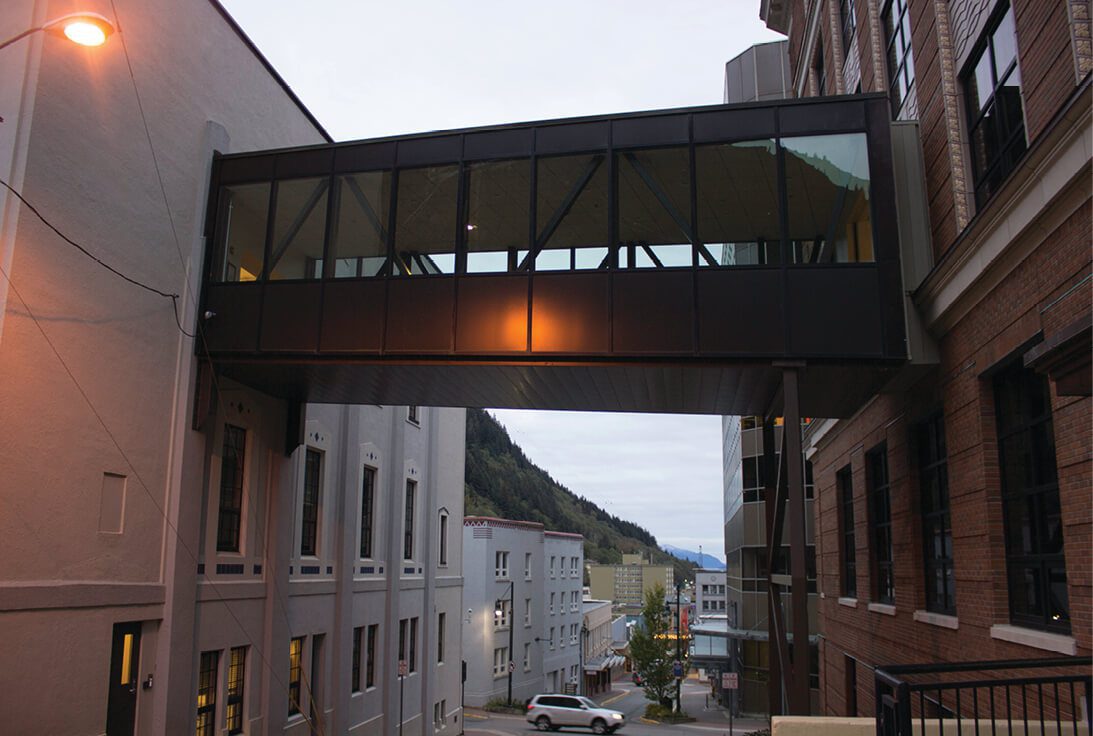
Not only do cities change the climate, but they also adapt to it. For example, cities with cold and windy winters are designed so that the shops, schools, kindergartens, and clinics are located more densely and don’t require residents to walk long distances in blizzards and frosts. Sometimes they even have covered walkways that connect the buildings.
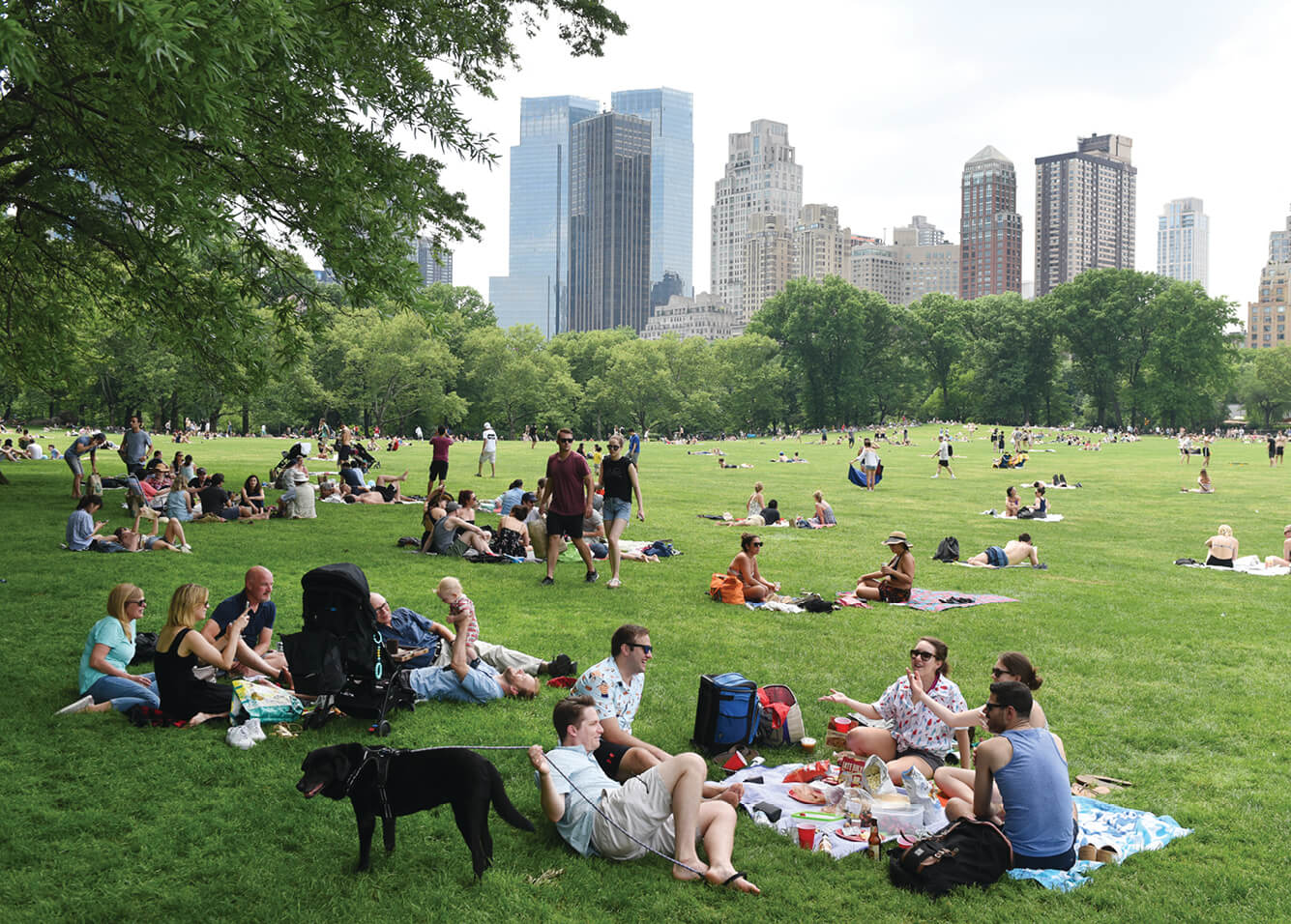
So how should we build cities to take maximum advantage of the positive features of the urban climate and minimize the negative ones? Of course, every city should be considered individually. But there is one approach that works practically everywhere: Just plant more trees! Adding greenery to city streets is as effective as creating separate green spaces. Trees decrease daylight heating — so much so that well-greened cities located in unforested landscapes (like Kharkiv or Ashkhabad) are a little cooler during the day than their surroundings. Likewise, a green city cools down less overnight, and people find it less chilly on early morning commutes to work.
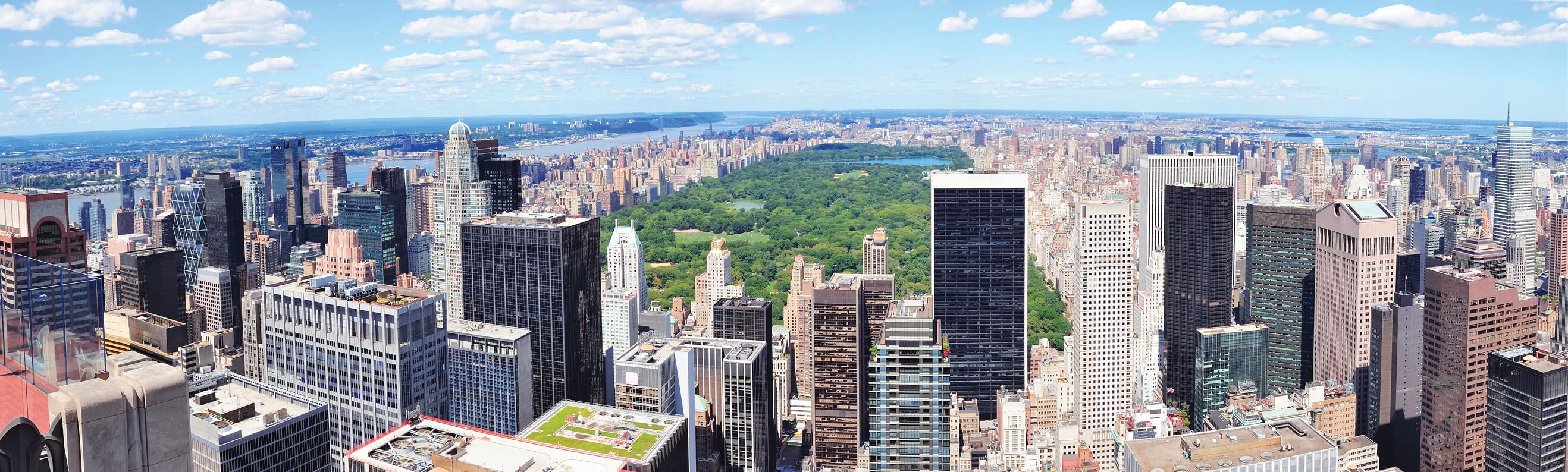
Besides, trees stop the wind from speeding up and remove excess water from the soil, which makes up slightly for the drawbacks of increased precipitation. Still, trees can block the sunlight, making it darker and colder indoors. However, it’s not an urgent issue during the summer (it’s already warm, and daylight hours are long), while in the winter the trees are leafless, and they hardly block the sunlight.
Domes
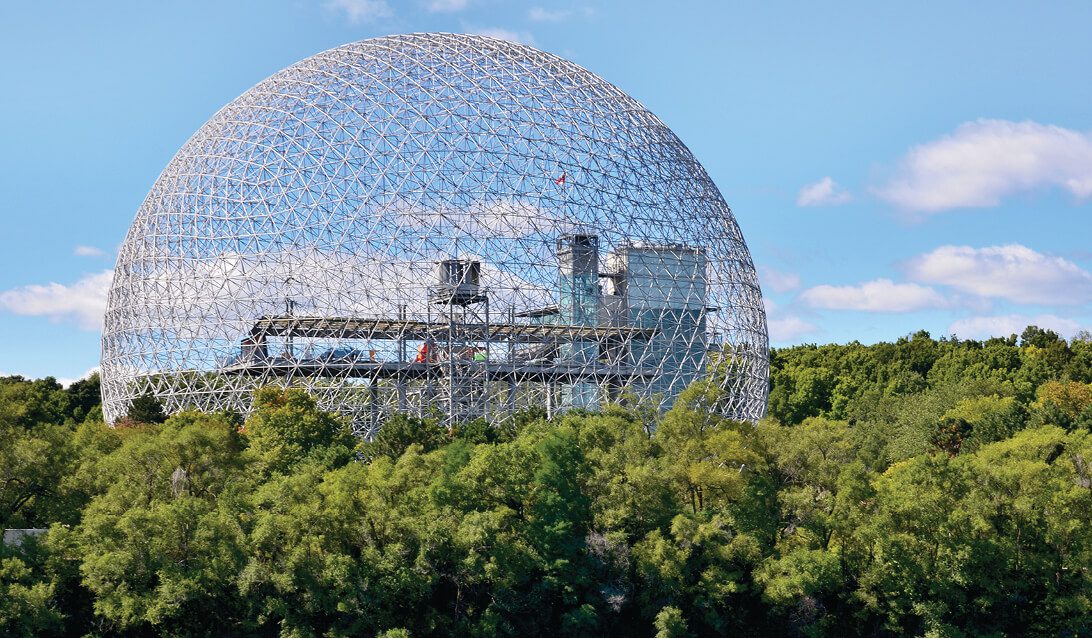
For decades, there have been projects to construct gigantic glass domes over cities to protect them from adverse weather conditions. One of the first such projects belonged to the American engineer and architect R. Buckminster Fuller, who in 1960 proposed to cover Manhattan with a two-mile-diameter dome. However, for the time being, domed cities are limited to individual roads, mostly pedestrian shopping streets.
Some experts propose a more unconventional method of decreasing heat buildup — painting all concrete and asphalt surfaces white so that most of the solar radiation gets reflected rather than absorbed. Well, even if this method doesn’t work out as expected, at least such a city would attract tourists with its unusual appearance. You might, however, need to supply all residents with sunglasses, so that the city’s bright color doesn’t hurt their eyes.

Another way of improving the urban climate is by constructing buildings with fewer stories. Smaller houses have less impact on the wind regime: on the one hand, they don’t slow down the flow of air as much, and on the other hand, they don’t create strong local winds. Besides, trees can cover 5–7story buildings, thereby cooling them down.
Post on topic: Why Every City Has Its Own Climate?
Did you like the post? We invite you to read our other topics in Education category.
Follow us on Instagram.
<svg xmlns="http://www.w3.org/2000/svg" xmlns:xlink="http://www.w3.org/1999/xlink" id="Layer_1" x="0px" y="0px" viewBox="0 0 597.03 475.39" style="enable-background:new 0 0 597.03 475.39;" xml:space="preserve"><style type="text/css"> .st0{clip-path:url(#SVGID_00000021828697454809692600000004318893268413411000_);fill:#54A7B7;}</style><g> <defs> <rect id="SVGID_1_" x="63.22" y="2.39" width="470.59" height="470.65"></rect> </defs> <clipPath id="SVGID_00000125586198135712050590000014503595150480814249_"> <use xlink:href="#SVGID_1_" style="overflow:visible;"></use> </clipPath> <path style="clip-path:url(#SVGID_00000125586198135712050590000014503595150480814249_);fill:#54A7B7;" d="M352.92,237.74 c0-30.06-24.38-54.38-54.38-54.38c-30.06,0-54.38,24.32-54.38,54.38c0,30.01,24.32,54.38,54.38,54.38 C328.54,292.12,352.92,267.74,352.92,237.74 M440.15,237.74c0,78.06-63.55,141.62-141.62,141.62 c-78.12,0-141.62-63.55-141.62-141.62c0-78.12,63.5-141.62,141.62-141.62C376.6,96.12,440.15,159.61,440.15,237.74 M533.83,237.74 c0-129.78-105.58-235.3-235.3-235.3c-129.78,0-235.3,105.52-235.3,235.3s105.52,235.3,235.3,235.3 C428.26,473.03,533.83,367.51,533.83,237.74"></path></g></svg>