THE BEGINNING: JAMES PARKINSON
Matthew retired not too long ago. Several years ago, he discovered that it became difficult for him to move his hand, and a neurologist came to a tragic conclusion: “You have Parkinson’s disease in its initial stages. But don’t be upset — we will treat it.” From that time on, Matthew read constantly to learn more about his illness. Since he was interested in history, the first thing he discovered was the person after whom the disease was named.
James Parkinson was born on April 11, 1755, in East London to the family of surgeon John Parkinson. He followed in his father’s footsteps, becoming a doctor. He was a talented practitioner, saved many people’s lives, and even became one of the first members of the Royal Humane Society (a charitable organization which provided first aid to those who were affected by disasters).
Parkinson was observant and noticed many things. This helped him in his scientific research: in 1817, Whittingham and Rowland published his work, “An Essay on the Shaking Palsy,” in which he summarised six clinical cases.
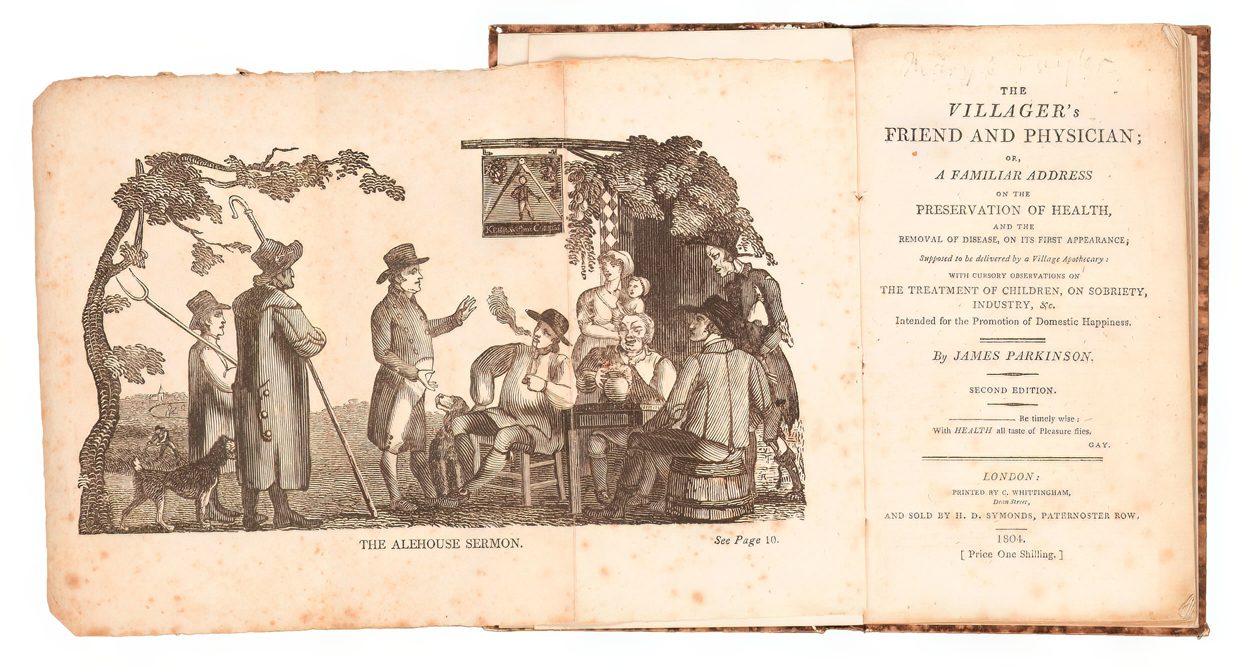
Distinguishing Features of Parkinson’s Disease in the Early 19th Century
Interestingly, the afflicted were not his patients — as a doctor, Parkinson often walked in the streets of London and observed people with similar symptoms.
It used to be very easy to distinguish this type of patient. First, their posture was hunched, as if they were begging. Secondly, the person’s face was practically devoid of facial expression and almost did not show emotions at all. Thirdly, their hands trembled, hence the title of the essay “On the Shaking Palsy.” Fourthly, one of the afflicted person’s hands was extended forward as if they were counting or rotating something, like money, pills, or prayer beads. Due to muscle spasms, these people moved very little and took small steps, but sometimes, they could set off into a full run — this is called a propulsive gait. It is rare to see such a vivid picture of the illness now, because patients generally receive maintenance therapy that alleviates many of the symptoms.
Symptoms of Parkinson’s Disease
Tremor

A tremor, or shaking, usually begins in a limb, often your hand or fingers. You may a rub your thumb and forefinger back-and-forth, known as a pill-rolling tremor. Your hand may tremor when it’s at rest.
Slowed movement

Over time, Parkinson’s disease may slow your movement, making simple tasks difficult and time-consuming. Your steps may become shorter when you walk.
Speech changes

You may speak softly, quickly, slur or hesitate before talking. Your speech may be more of a monotone rather than with the usual inflections.
Alas, Parkinson’s contemporaries did not take note of his work: neurological diseases were not held in great esteem at the beginning of the 19th century. This illness was discovered once more by the “Napoleon of Neuroses,” Jean-Martin Charcot, who, it seems, had a hand in studying or naming almost all neurological illnesses. Exactly 60 years later, in 1877, he described the “trembling palsy” anew and proposed renaming it Parkinson’s disease (“la maladie de Parkinson”).
Parkinson’s Disease | THE MECHANISM OF ACTION OF DOPAMINE

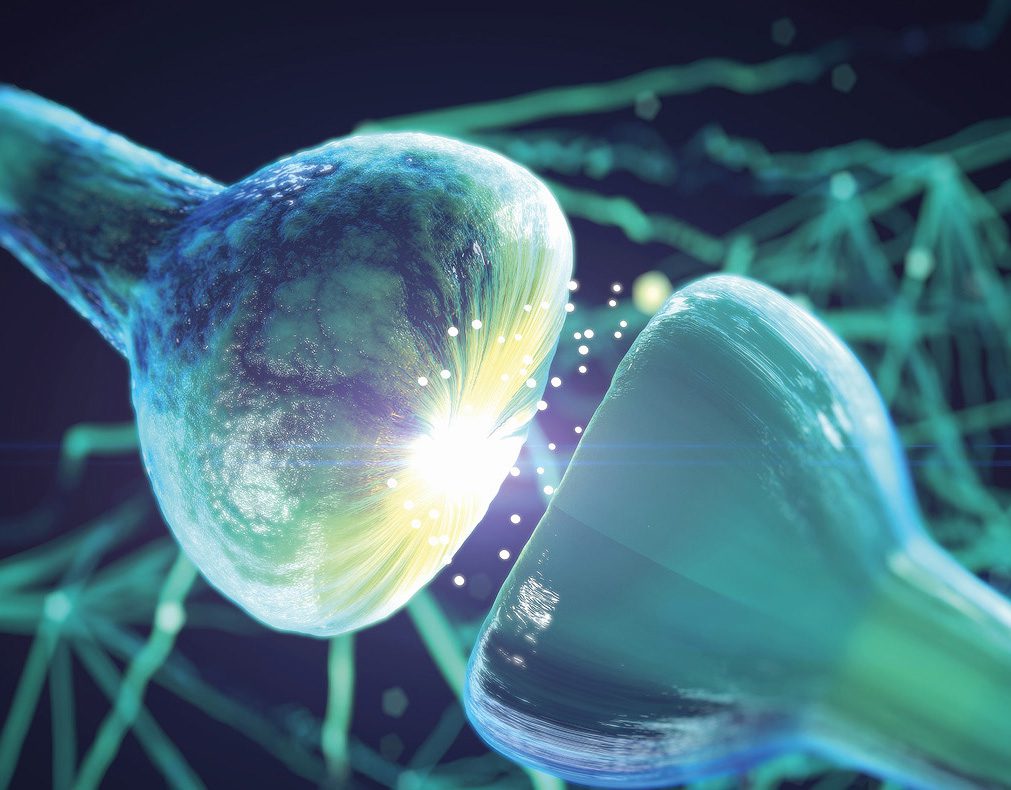
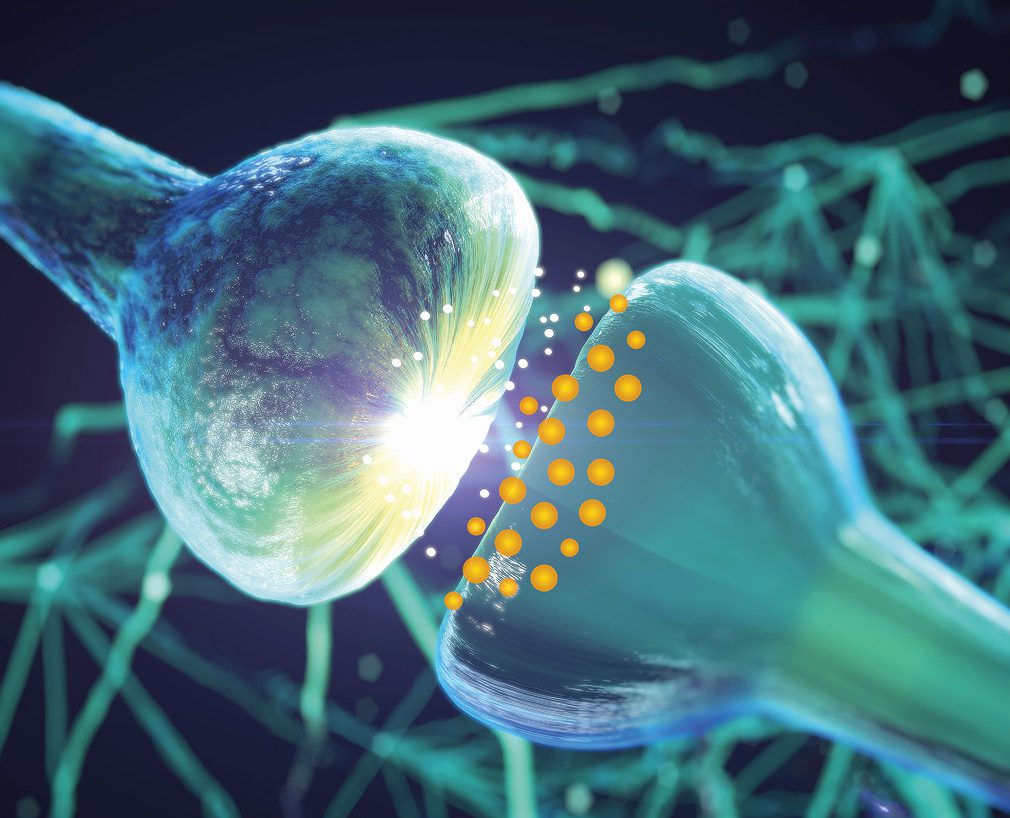
Dopamine is a neurotransmitter that is produced in the human body by special dopaminergic neurons. It transmits information from one cell to another using intercellular contacts, or synapses.
Moving on: What about the Brain?
Matthew did not stop his search, and he spent long winter evenings leafing through books. From a textbook on neurology, he learned that in his illness, clots of foreign matter formed within nerve cells, preventing them from working normally (why this happens is still a mystery). These are called Lewy bodies. “Interesting,” thought Matthew, as he opened up a search engine in his browser.
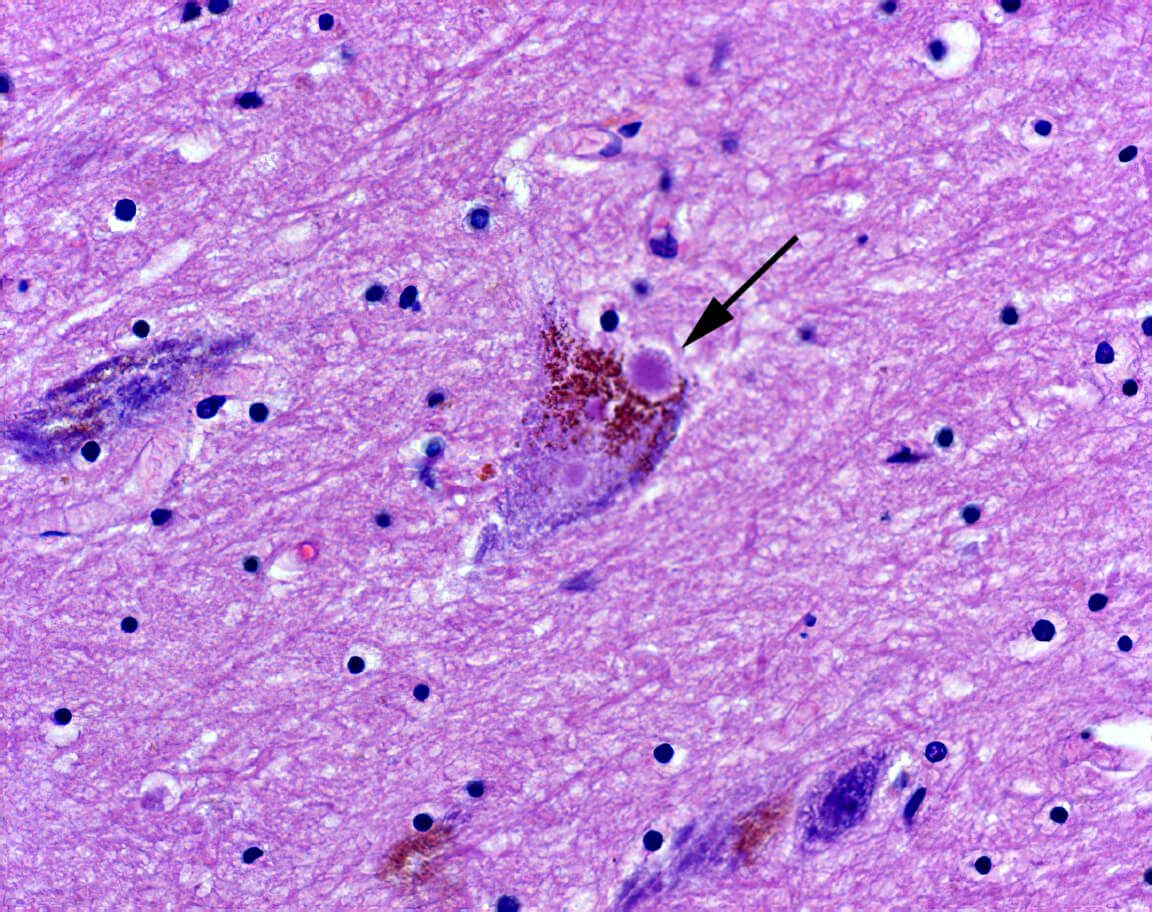
It turned out that in 1912, these strange interneuronal bodies were discovered by a German scholar, Friedrich Heinrich Lewy. Today, we know that these bodies are made up of components of the alpha-synuclein protein and other proteins, and they are a characteristic sign of dementia, the loss of mental abilities.
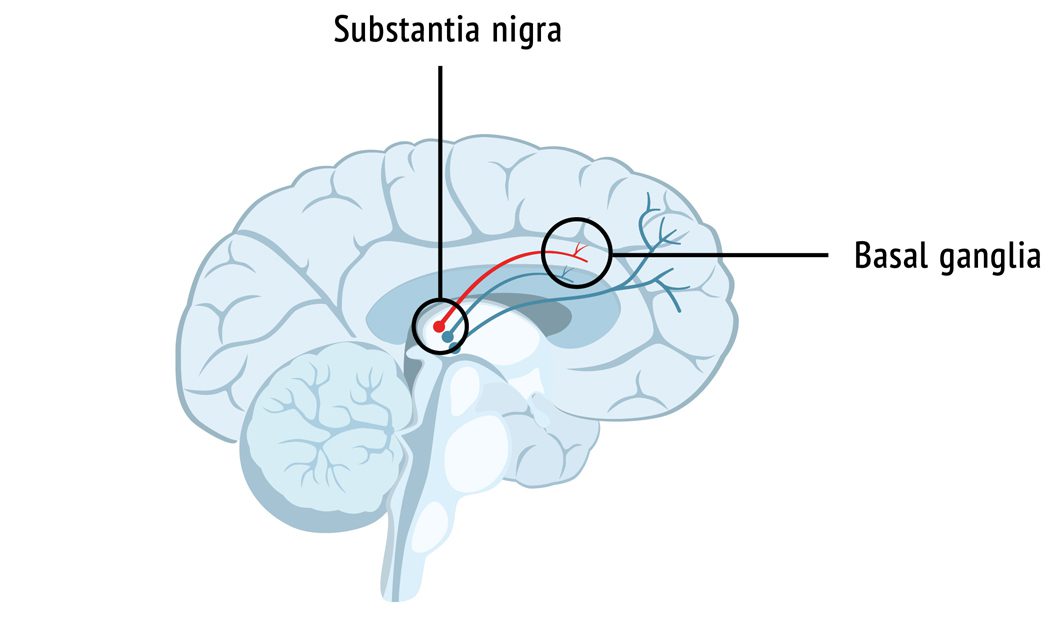
At this point, Matthew deduced that the symptoms of his illness were caused by the death of nerve cells in the substantia nigra. This idea was first proposed by Soviet neuropathologist Konstantin Tretiakoff.
Substantia nigra, or “black substance” in Latin, is a part of the human midbrain. This is where neurons responsible for the synthesis of the neurotransmitter dopamine are found. If they die, this destroys the neural path through which excitation is passed along to the basal ganglia, as well as the substantia nigra, which is part of the extrapyramidal system. This system controls movements parallel to the main motor system (the pyramidal, or corticospinal tract), maintaining muscle tone and coordinating movements. In the case of such a breach, this system is “disinhibited”: redundant movements like tremors and other characteristic symptoms appear.
Parkinson’s Disease | Dopamine’s work in synapses
Parkinson’s Disease | THE PATH OF DOPAMINE TO THE BRAIN
Dopaminergic neurons of the substantia nigra use dopamine to transmit signals to the basal ganglia, which controls the movements of an organism, making it active. When these neurons are destroyed (due to the accumulation of Lewy bodies), dopamine becomes short in supply and movement is constrained. Motor activity decreases, and muscle spasms appear.
Substantia nigra — in a brain with Parkinson’s disease, this is where neurons are destroyed.
Levodopa the Savior
Matthew realized what was happening in his brain. But what did the doctor prescribe him? And how does this medicine help?
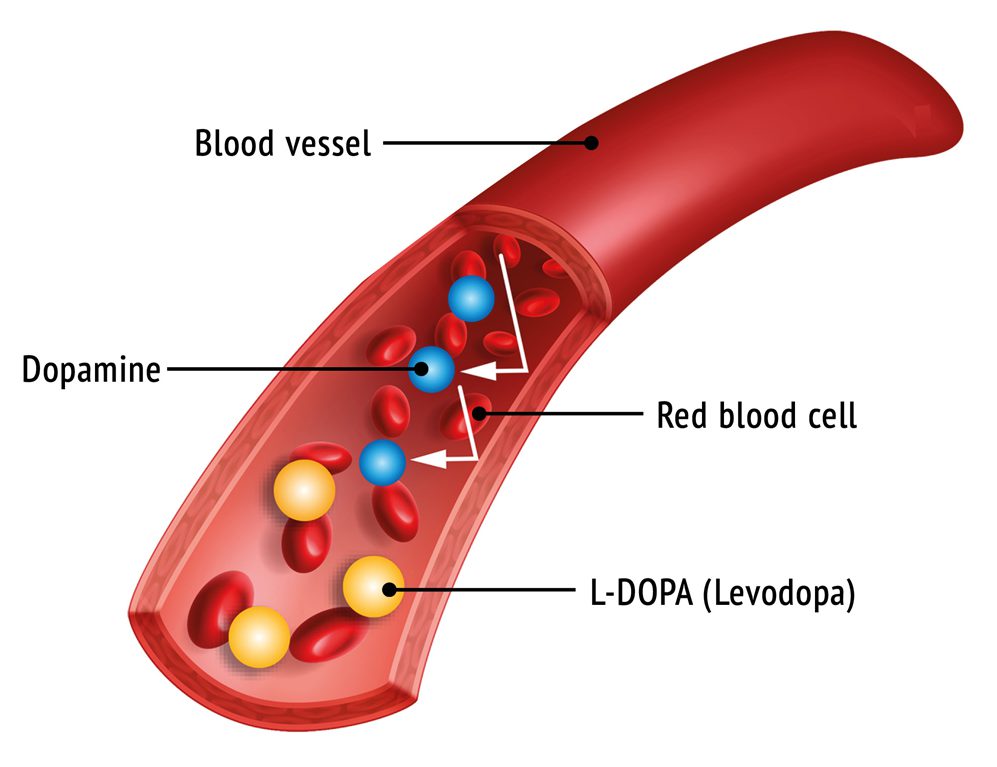
Lack of the neurotransmitter dopamine plays the primary role in the pathogenesis of Parkinson’s disease. Its biochemical precursor is the amino acid tyrosine. The tyrosine enzyme, hydroxylase, uses a “hanging” hydroxyl group (-OH) to convert tyrosine to levodopa (L-DOPA). In turn, the L-DOPA-decarboxylase enzyme converts levodopa into dopamine.
Dopamine is not able to pass by itself through the blood-brain barrier — a powerful line of defense and control that prevents all of the things that “float” in our blood from entering into our brains. Therefore, taking it as a medicine is pointless. On the other hand, levodopa passes through perfectly. This promised a bright future in pharmacology.
The Discovery and Impact of Levodopa in Parkinson’s Treatment
Levodopa is an abbreviation of L-3,4-dihydroxyphenylalanine, or L-dopa. Matthew learned from a chemistry textbook that levodopa was first synthesized by the Polish chemist Kazimierz Funk in 1911 (he also invented the word “vitamin”). This event went unnoticed for a long time, but everything changed dramatically in 1938 when German pharmacologist and physiologist Peter Holtz and his collaborators discovered the L-DOPA-decarboxylase enzyme. This allowed us to understand the way that dopamine and other mediators are produced, and put levodopa and dopamine in the group of the most important “informational” molecules of the brain.
Levodopa’s fate stirred up curiosity in Matthew and he found out that in the middle of the 20th century, Swedish pharmacologist and future Nobel laureate, Arvid Karlsson, set up an experiment: he immobilized guinea pigs with the strongest possible tranquilizer, reserpine, a vegetable poison, and then introduced levodopa to them. They went from lying on the floor with lowered ears to jumping on their feet in practically an instant!
In the early 1960s, Austrian pharmacologist Dr. Oleh Hornykiewicz discovered a sharp decrease in dopamine in the basal ganglia of patients suffering from Parkinson’s disease. The facts lined up quite logically: dopamine is necessary to maintain the motor activity of the body, and levodopa is its direct biological precursor.
Matthew enthusiastically read about how Hornykiewicz consulted his colleague, Viennese neurologist Walther Birkmayer, offering him two grams of levodopa (0.07 oz) for clinical experiments. Intravenous administration of the substance led to a quick, albeit temporary, improvement in the condition of patients suffering from Parkinson’s disease. These first experiments allowed for a new era in the history of the illness, making levodopa therapy the gold standard of treatment.
A Strange Cure, but It Works
In addition to levodopa, which in combination with carbidopa is still the only effective drug to treat the disease, there is another method—deep brain stimulation, or DBS. It helps, but as of now, we’re not sure exactly why.
During DBS, long and thin electrodes with a width of only hundredths of an inch are implanted in the brain, pointing towards a target area the size of a corn kernel—the subthalamic nucleus in the basal ganglia. Electrodes gently stimulate it, which eases the motor symptoms of Parkinson’s disease.
After perusing the internet, Matthew learned that about 10,000 people undergo DBS operations each year for the treatment of Parkinson’s. Statistics have already aggregated the results of over 140,000 patients who have used these electrodes. The first DBS operation was performed in 1987 in the French city of Grenoble, and the patient is still alive to this day. It’s not surprising that doctors think of this method as something between science, art, and shamanism. But it prolongs life.
Deep Brain Stimulation (DBS)

This method is used to relieve the symptoms of Parkinson’s disease. A small neurostimulator is implanted under the collarbone. The device uses electrodes to send electrical signals to the subthalamic nucleus in the brain, blocking signals with symptoms of the illness. The method does not heal it completely, but it slows down the development of the disease, relieves symptoms, and improves the patient’s quality of life.
Parkinson’s Disease | New Hope
Matthew was most struck by a piece of information that he stumbled upon by chance: it turns out that if a section of neurons has died, new neurons can be transplanted onto the location! Experiments using this method on macaques have been very successful.
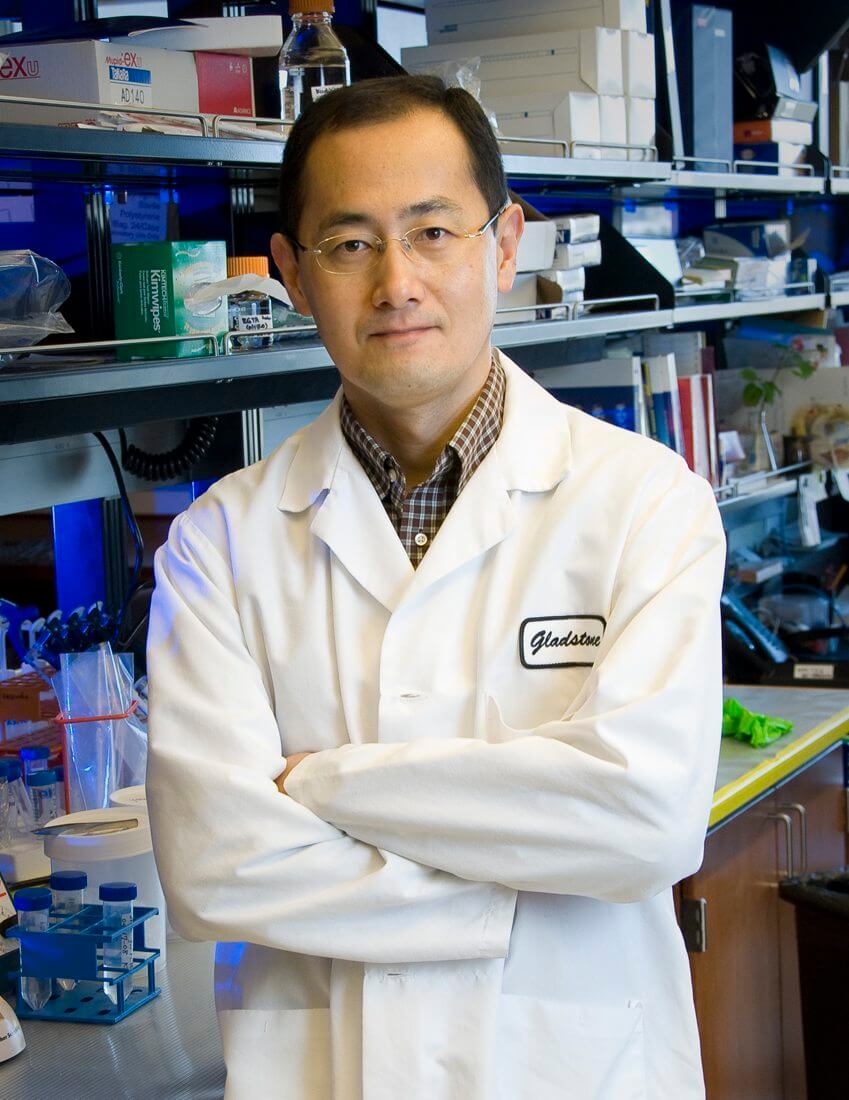
Over the past ten years, cellular technology has made a huge leap, and we no longer need the neurons of donors—we know how to grow our own. This became possible thanks to the work of Japanese scientist Shinya Yamanaka, who developed a method for generating stem cells from existing cells in the body, such as skin (which gives rise to all cells in the body). As a result, we now can grow anything from them. Unsurprisingly, Yamanaka was the recipient of the Nobel Prize for Physiology and Medicine in 2012.
Promising Results from Japan
A breakthrough in the treatment of Parkinson’s also happened in Japan. At the end of 2017, a clinical study for a new form of therapy began to recruit participants. Two-year long trials on macaques were successful, so all that was left was to try it on humans. Using the method proposed by Yamanaka, scientists reprogrammed the cells of healthy humans and produced young dopaminergic neurons, which were then implanted onto the brains of macaques with damaged substantia nigras. Transplantation of the neurons significantly relieved symptoms of the illness, and the observed effects were long-term: the improvement (without tumor development) lasted for 21 months until the experiment concluded.
Today the whole world, Matthew included, waits anxiously for the results of the experimentation on humans. Parkinson’s patients have new hope. And in the meantime, Matthew decided to sign up for a consultation with a neurosurgeon to learn further about deep brain stimulation and see if this method is suitable for him. After all, he wants to stay active for as long as possible.
Dopamine Neurons Made of Stem Cells
The idea is to replace dead neurons. After transplantation, young neurons form connections with existing cells and produce dopamine. Scientists can reprogram mature cells — for example, skin cells, into immature stem cells, from which cells of other types can be developed. Stem cells are primitive, divide actively, and are able to develop into more specialized tissues (like neurons) through a process known as differentiation. At first, they are multiplied in laboratory conditions, and then, by acting on various growth factors, they are converted into young dopaminergic neurons. Then, they are implanted onto the brain to replace those that are deceased.
Stem cell therapy process for transplantation

- Extraction of cells and their reprogramming
- Reproduction of stem cells
- Differentiation and transplantation to the brain
Thus, stem cell therapy may prove to be a promising strategy for the treatment of Parkinson’s. The main task at hand is to make sure that the cells do not become tumorous, and that they function normally after transplantation.
Post on topic: Parkinson’s Disease
Did you like the post? We invite you to read our other topics in Education category.
Follow us on Instagram.
<svg xmlns="http://www.w3.org/2000/svg" xmlns:xlink="http://www.w3.org/1999/xlink" id="Layer_1" x="0px" y="0px" viewBox="0 0 597.03 475.39" style="enable-background:new 0 0 597.03 475.39;" xml:space="preserve"><style type="text/css"> .st0{clip-path:url(#SVGID_00000021828697454809692600000004318893268413411000_);fill:#54A7B7;}</style><g> <defs> <rect id="SVGID_1_" x="63.22" y="2.39" width="470.59" height="470.65"></rect> </defs> <clipPath id="SVGID_00000125586198135712050590000014503595150480814249_"> <use xlink:href="#SVGID_1_" style="overflow:visible;"></use> </clipPath> <path style="clip-path:url(#SVGID_00000125586198135712050590000014503595150480814249_);fill:#54A7B7;" d="M352.92,237.74 c0-30.06-24.38-54.38-54.38-54.38c-30.06,0-54.38,24.32-54.38,54.38c0,30.01,24.32,54.38,54.38,54.38 C328.54,292.12,352.92,267.74,352.92,237.74 M440.15,237.74c0,78.06-63.55,141.62-141.62,141.62 c-78.12,0-141.62-63.55-141.62-141.62c0-78.12,63.5-141.62,141.62-141.62C376.6,96.12,440.15,159.61,440.15,237.74 M533.83,237.74 c0-129.78-105.58-235.3-235.3-235.3c-129.78,0-235.3,105.52-235.3,235.3s105.52,235.3,235.3,235.3 C428.26,473.03,533.83,367.51,533.83,237.74"></path></g></svg>