
How to Manage Pocket Money: The Envelope Method

To manage pocket money, track every bit of income and spending and give yourself a weekly limit. A simple way is the envelope method: set aside 10–20% for savings first, then divide the rest into four equal parts, one for each week. Budgeting apps do the tracking for you.
Why Do Railway Gauges Differ Around the World?

A railway gauge is the distance between the two rails. The standard, or Stephenson, gauge is 1435 mm, but many countries chose wider or narrower tracks for reasons of stability, cost and history. Where two gauges meet, trains change their wheels or passengers change trains.
How Does a Telescope Work?
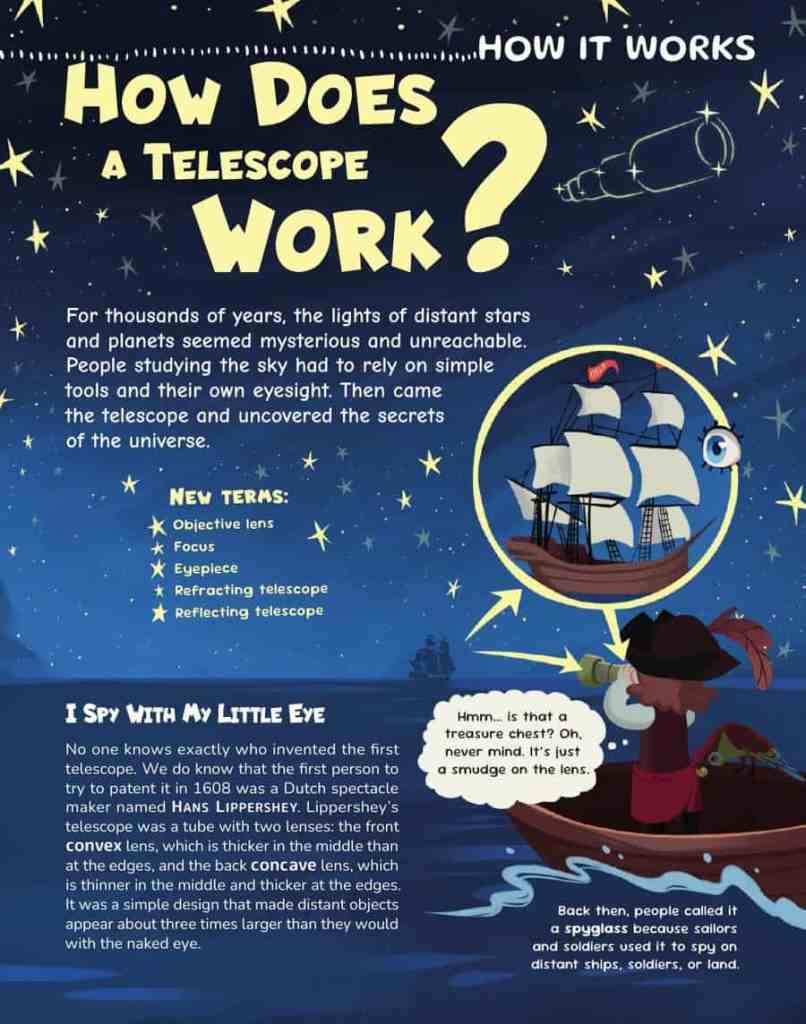
A telescope works by collecting much more light than your eye can and then magnifying the image. Refracting telescopes do this with lenses, and reflecting telescopes do it with mirrors. The first telescope, in 1608, made things look about three times larger.
3D Bioprinting: How Do Scientists Print Living Tissue?
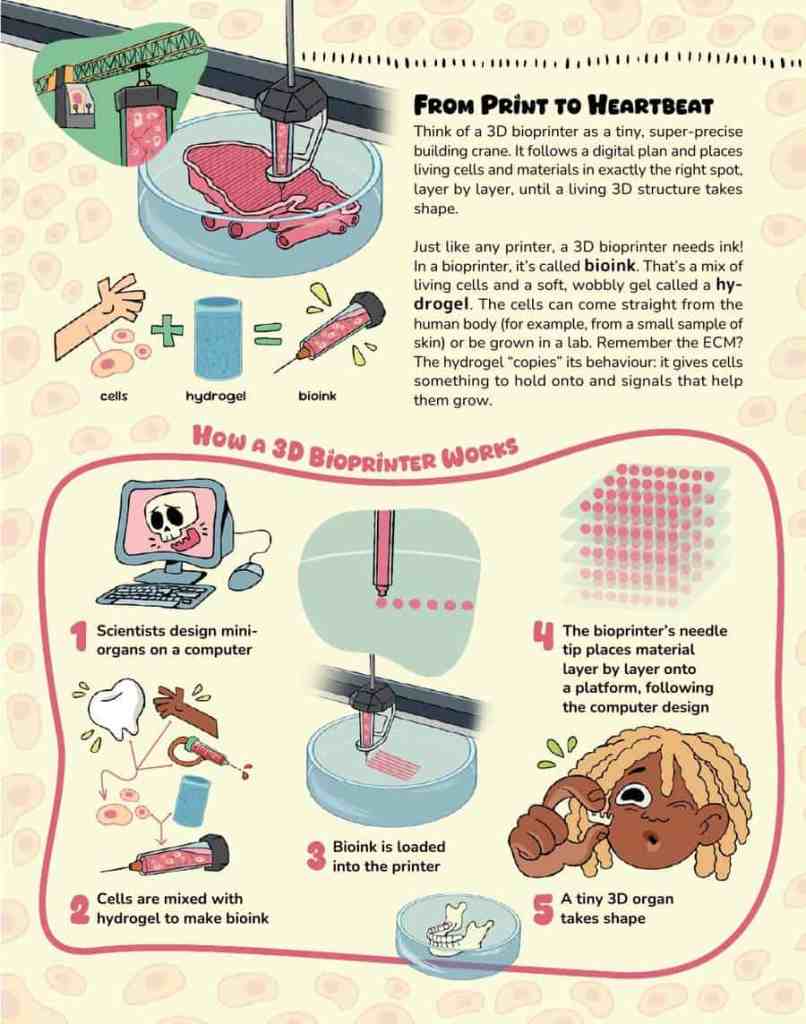
A 3D bioprinter builds tiny body parts and mini-organs from real human cells instead of plastic. It places a mix of living cells and gel, called bioink, layer by layer, following a digital plan. Bioprinted heart cells can start beating on their own within a few days.
How Does a Microscope Work?
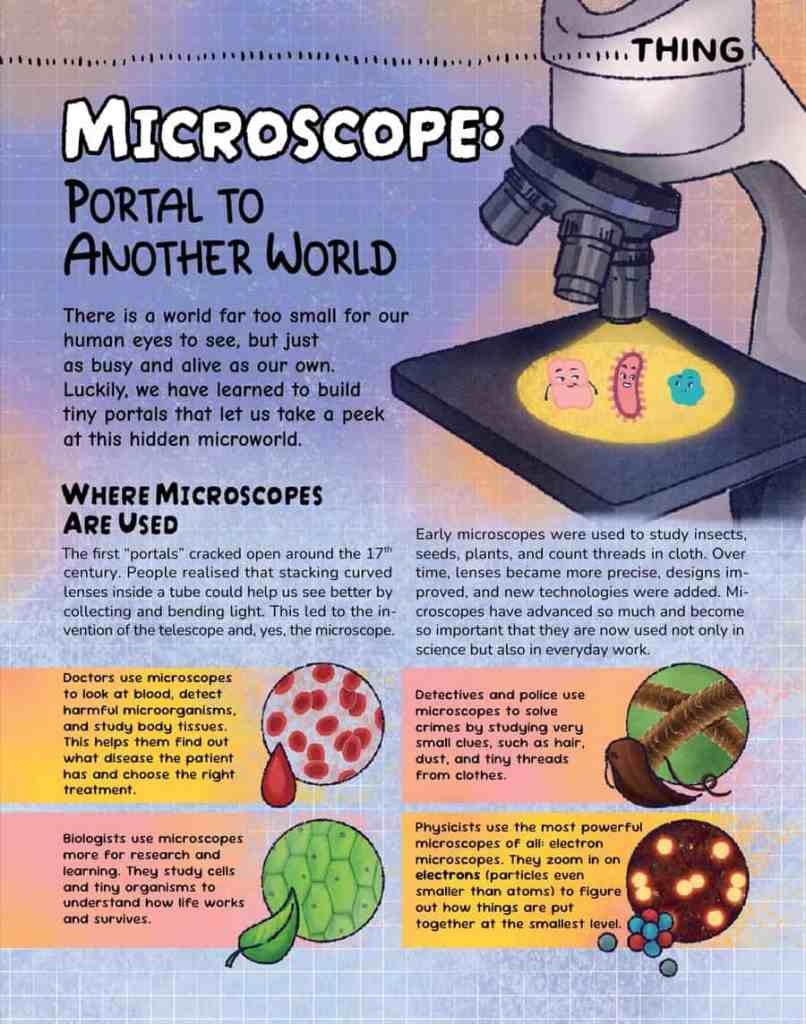
A light microscope uses two sets of lenses to collect and bend light so that tiny things look much bigger. With a 40× objective lens and a 10× eyepiece, you see an object 400 times larger than it really is.