What Is a Fractal?
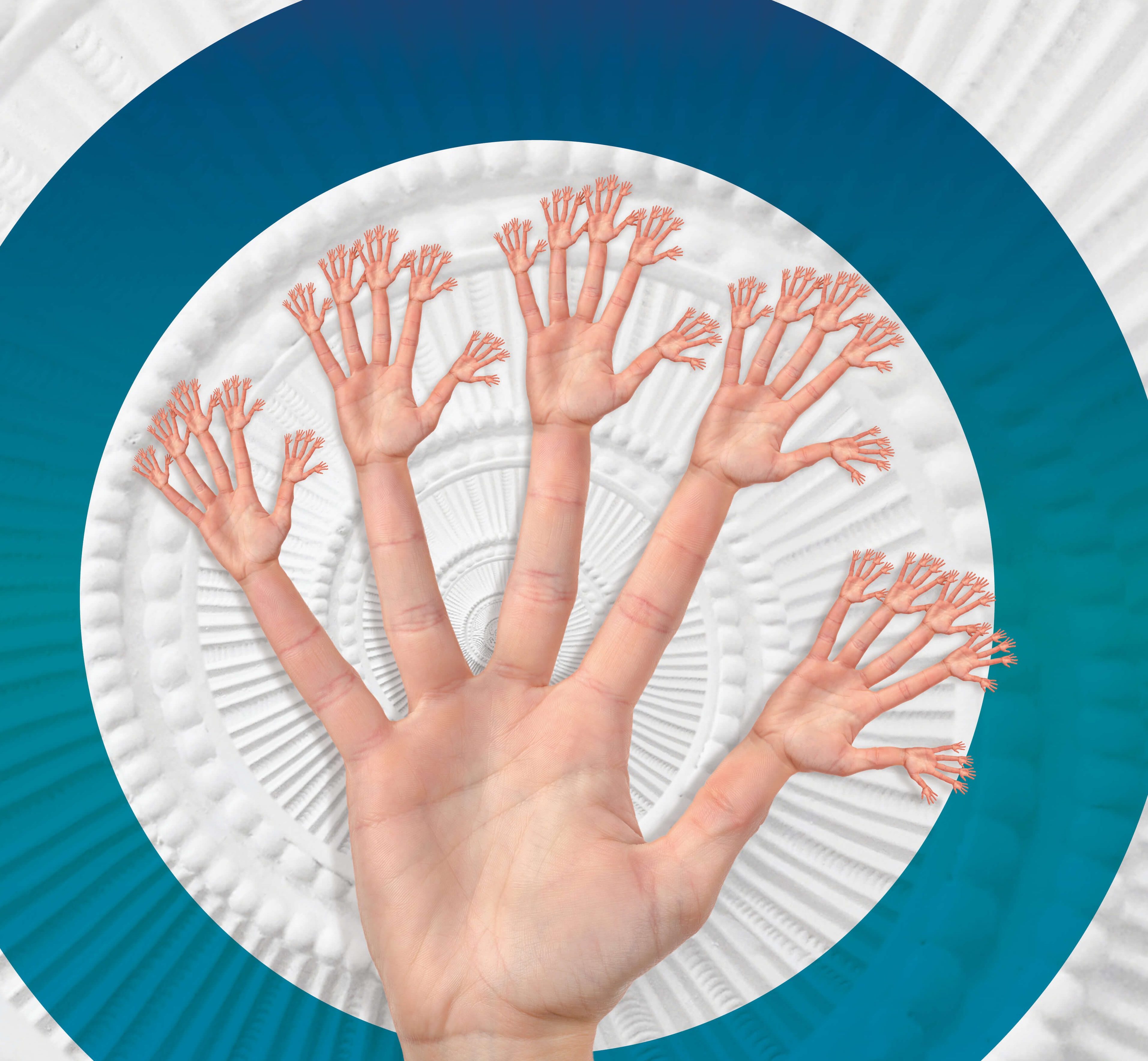
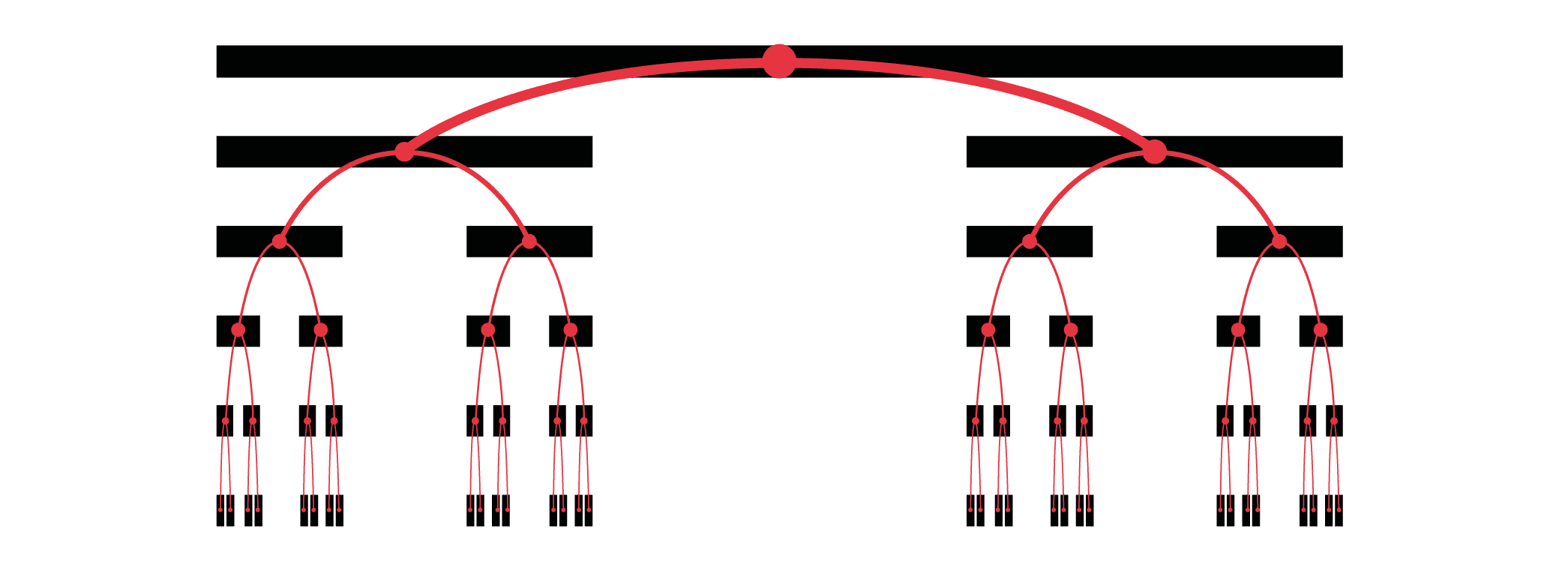
In the language of mathematics, a fractal structure is a set with the property of self-similarity. In other words, each member of the set is an exact or approximate copy of a part of itself. One of the simplest examples to help us understand fractals is a Koch snowflake. Let’s build one first for ourselves:

- Draw an equilateral triangle.
- On each side of the triangle, draw more equilateral triangles.
- On each side of the smaller triangles, draw even more triangles, and so on.
The Koch snowflake occupies a limited area. For example, it can be limited to a circle of a certain length. But meanwhile, the snowflake has an infinite perimeter(!). Say that the triangle’s side is one whole. Then, with each step, its length (l) increases 4/3 times. It is easy to derive the ratio of the length of the side at nth step,
ln=(4/3)ⁿ⁻¹
As n approaches infinity, the side length will also approach infinity.
The Koch snowflake is a geometric fractal, as are the Cantor set, the Sierpiński triangle, the Peano curve (space-filling curve), and many others. It was with these models that the theory of fractals began in the 19th century, due to the fact that the properties of self-similarity are most apparent in geometric fractals.

Computer Age
Fractals structure are described by simple rules, which must be performed repeatedly. The advent of the computer caused a revival of interest in the study of fractals, as they were perfectly suited to perform such operations.
Fractals are a highly abstract mathematical concept, but, surprisingly, we frequently encounter objects in nature which possess their main property — self-similarity. This is linked to two main trends in the practical application of fractal theory. Firstly, there are attempts to copy a natural fractal object using a simplified mathematical model. Computer animation achieved great results in this trend. Secondly, there are efforts to analyze a natural object and reveal the fractal structures within it.

Fractals in Nature

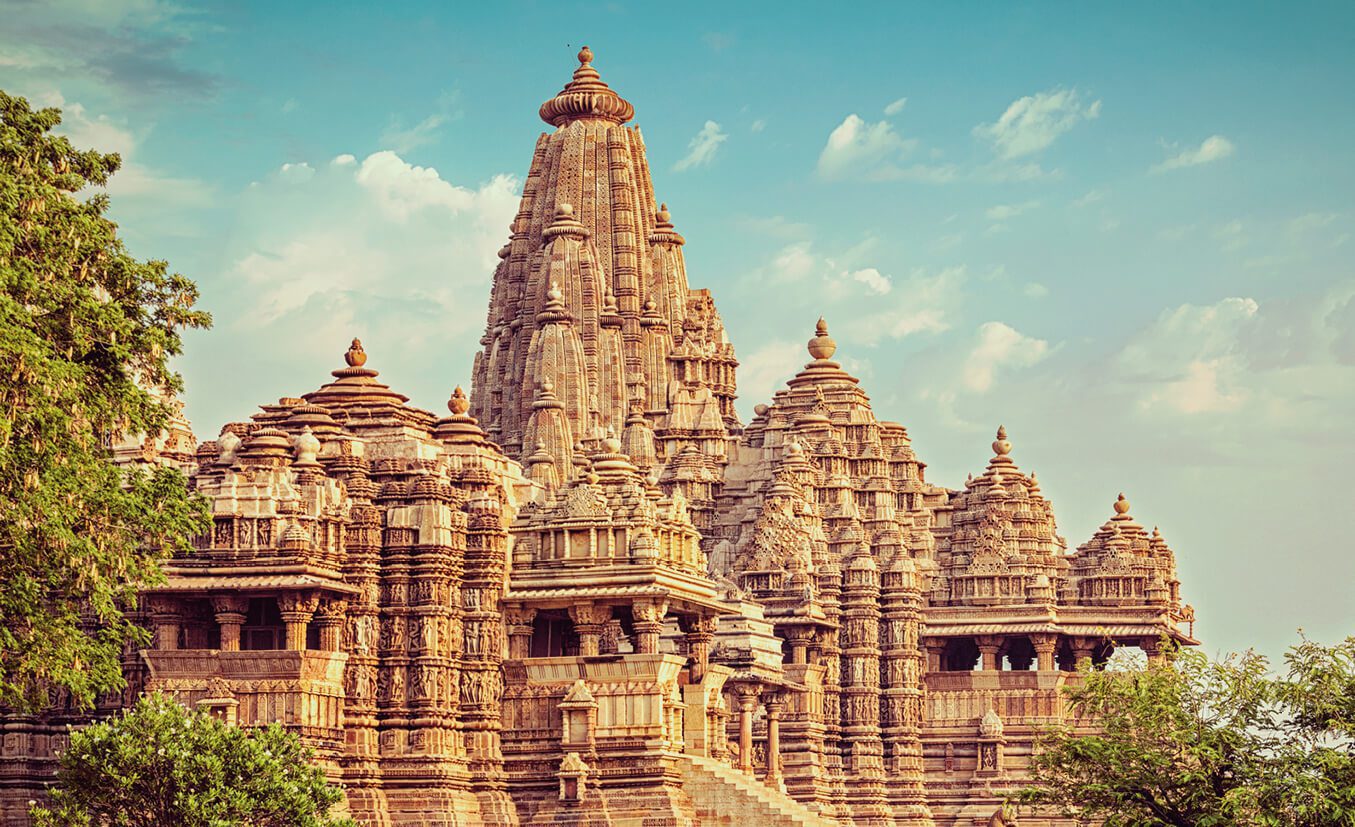
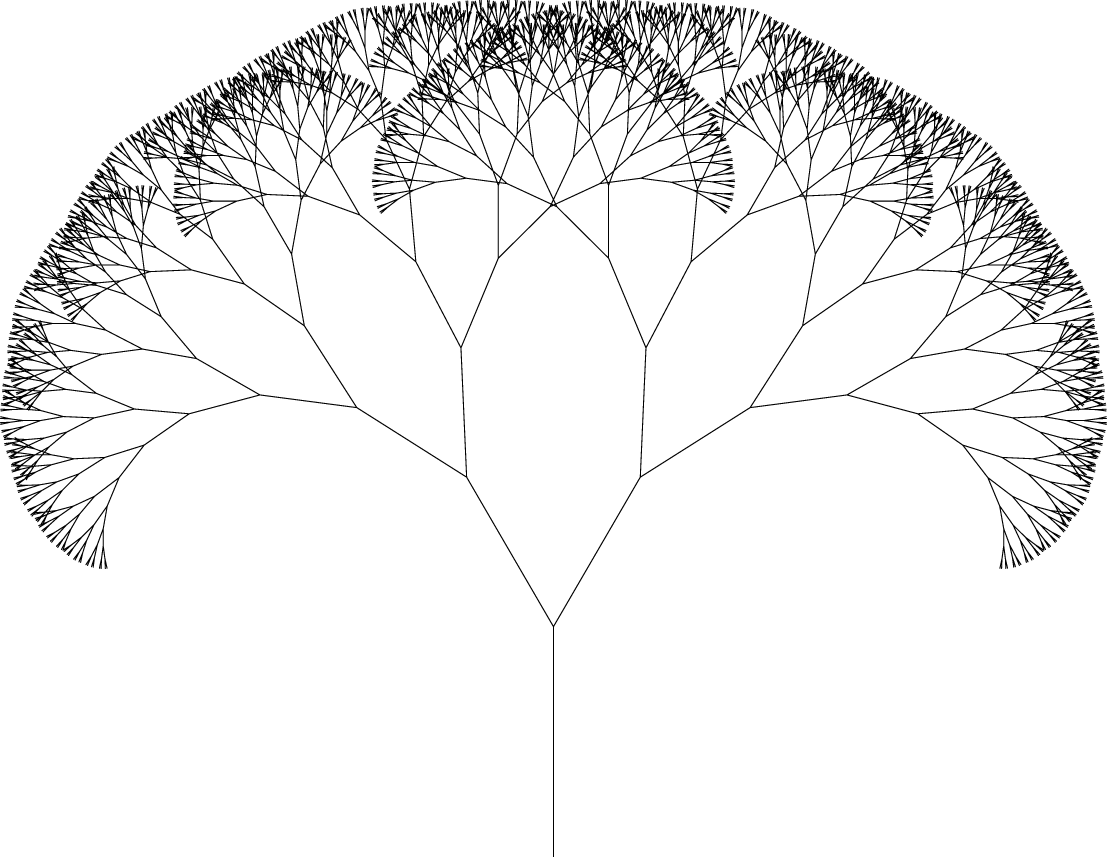
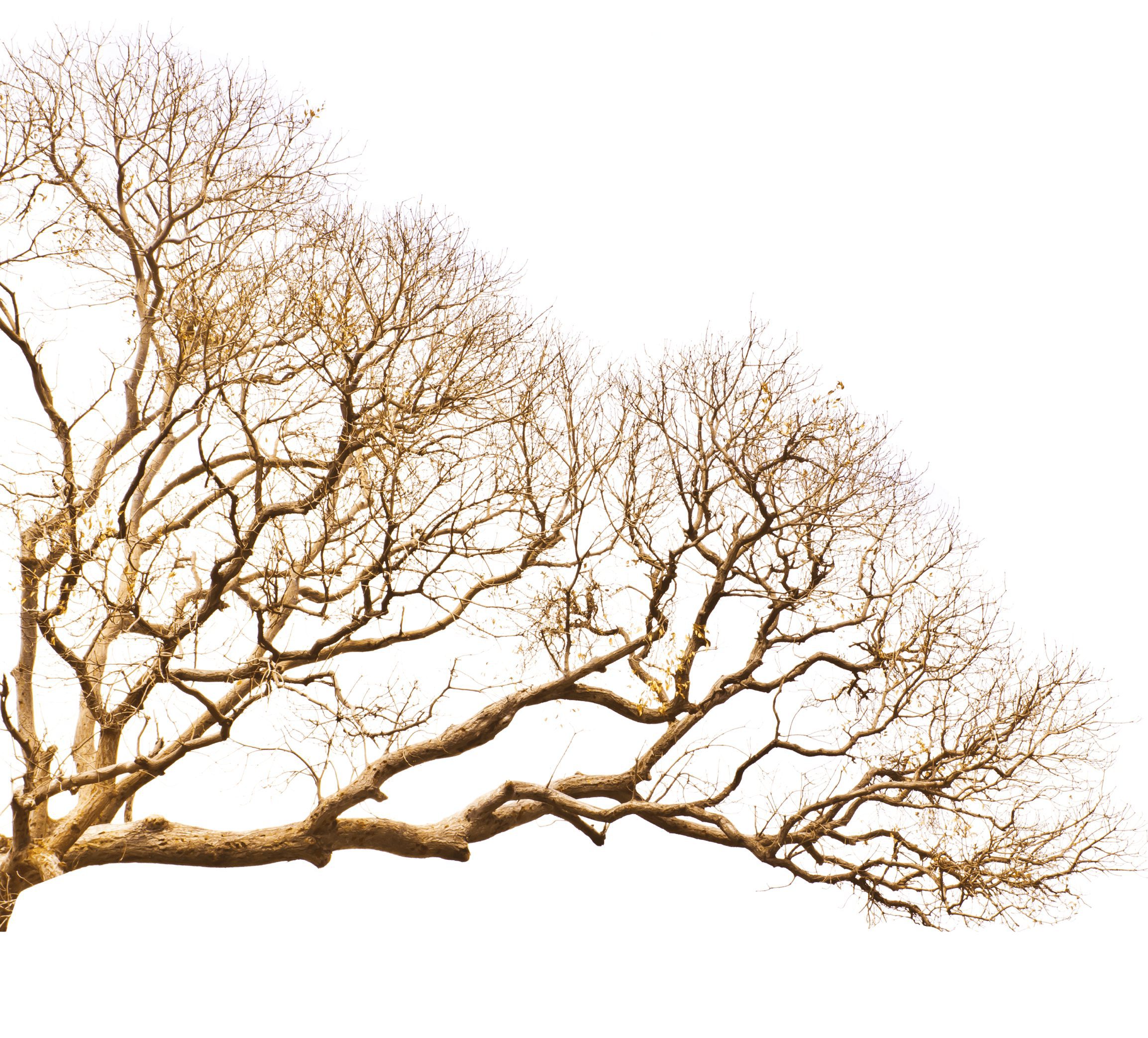
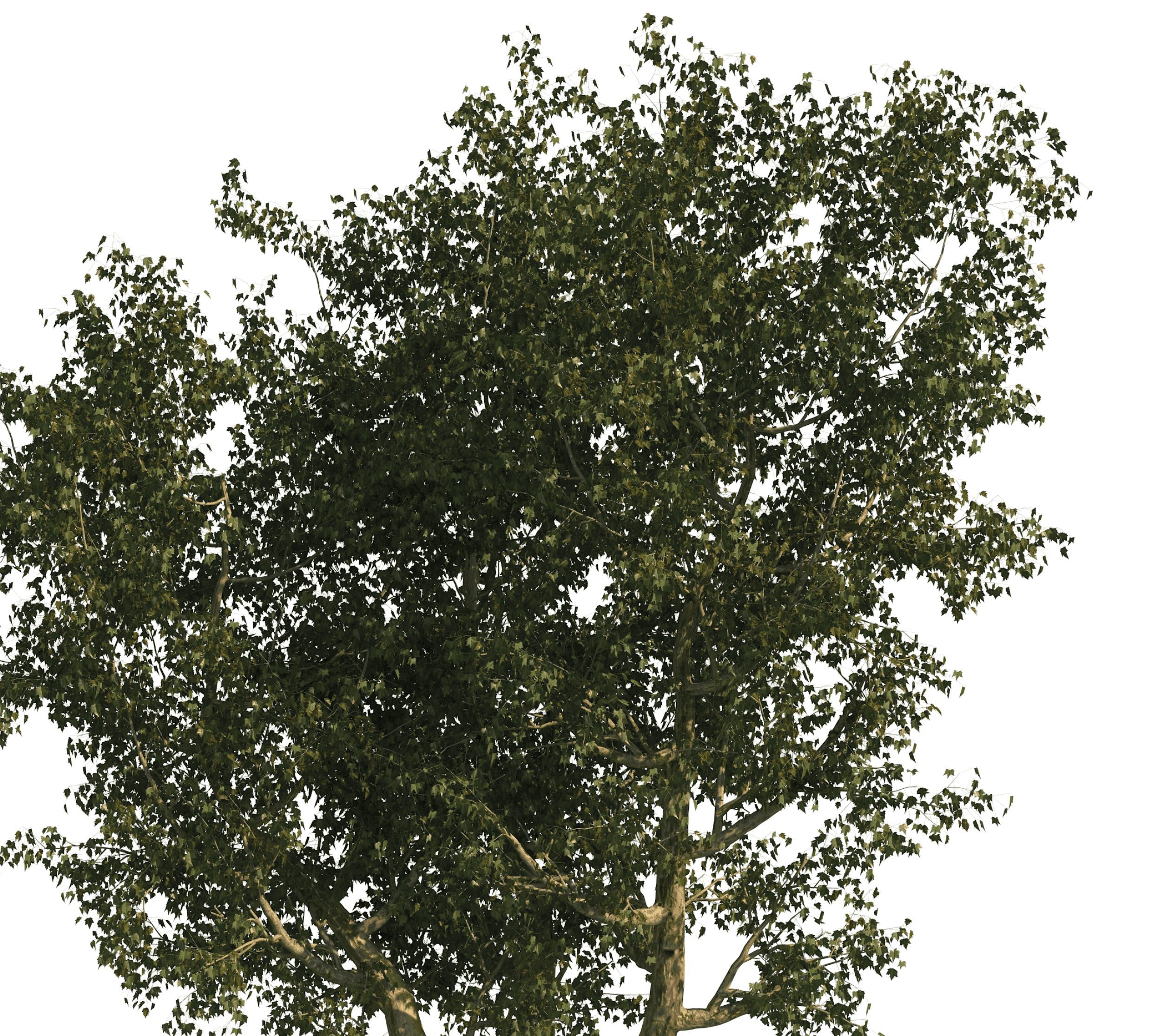
Corals, sea stars, hedgehogs, broccoli, coastlines, mountain ranges, and snowflakes all possess fractal properties. One of the clearest examples of this structure is a tree. Many branches extend from the trunk of the tree, and from those, smaller branches, and so on.
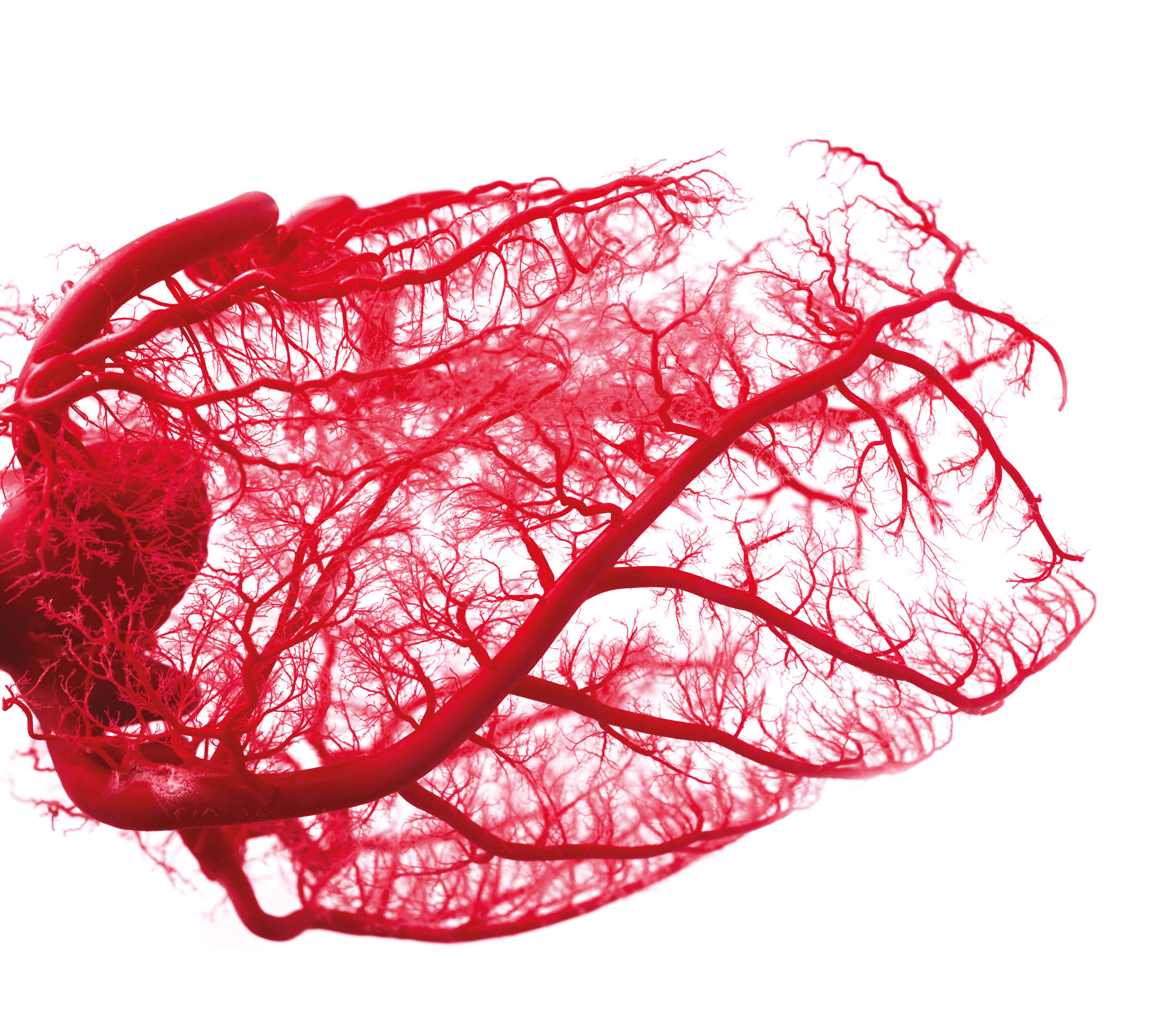
The tree possesses the main property of fractals, self-similarity: each branch is similar to the whole tree. The human circulatory system is also arranged in a similar way. From the arteries, thinner vessels, called arterioles, extend. From arterioles, capillaries extend, which are the smallest of all vessels. Due to these properties of blood vessels, scientists have been able to study and explain various anomalies in the human body.
Leonardo’s Rule of Branches

In the 14th century, Leonardo da Vinci developed a rule about the thickness of tree branches: “all the branches of a tree at every stage of its height when put together are equal in thickness to the trunk.” Scientists have not found an exact explanation for this phenomenon. Some associate it with the transportation of water in the bark of the tree, while others believe it is due to the tree’s resistance to external mechanical influences.
Coastlines are the most unusual example of fractals. If in the rest of these examples, a person could visualize the object in its entirety, then coastlines are more complicated: standing on the ground, you can only observe a small portion of the shore.

The Coastline Paradox
Measuring the length of a shoreline is an extremely difficult task. First, it is not a straight line; the shoreline bends and curves anywhere from a few yards to a few thousand miles. The coast has so many bends of varying lengths that it is difficult to find and measure them all. Because of these variances, if you divide the coast into segments of 25 mi and count the total length of the segments, the result will be radically different from what you get if you divide the coastline into 50-mi segments and sum those.
English mathematician Lewis Fry Richardson encountered this paradox in 1951. He noticed that Portugal thought the length of their land border with Spain was 987 km (≈613 mi), while Spain thought it was 1,214 km (≈754 mi). They solved this problem by adopting the smallest fragment as a unit of measurement. For example, if the length of a coastline is measured in miles, then small bends which are much less than half a mile long are not taken into account.

WHERE IS FRACTAL THEORY APPLIED?
Image Compression
A fractal algorithm for image compression has a high compression ratio: the image becomes much smaller in size, which saves memory on the computer. The compression ratio when using a fractal algorithm is roughly comparable to the most popular compression method, JPEG.
The essence of the JPEG function is the detection of “self-similar” proportions of the image. This makes it possible for the image to increase in size later while preserving its quality.


Art
Clouds, trees, flowers, mountains, the sea, and many other natural objects that can be seen in computer games and cartoons are generated with the help of fractal algorithms. When using the fractal method, you do not need to draw each detail of a graphic object separately (a tree branch, mountaintop, or flower petal); you can simply set the initial parameters of the algorithm, and the rest of the work will be done by the computer. Because of this, it is also possible to change an object quite quickly just by altering the initial parameters of the algorithm.
Medicine
Modern medical equipment (MRI and tomography) allow you to obtain a huge amount of digital data about the internal organs of a patient. The computer performs a mathematical analysis of this data and identifies fractal structures. Cancerous tumors and emphysema have a more complex structure, while healthy areas are simple. The principle of self-similarity in a fractal allows us to reveal deviations in the very earliest stages and do so automatically, without the participation of a doctor.
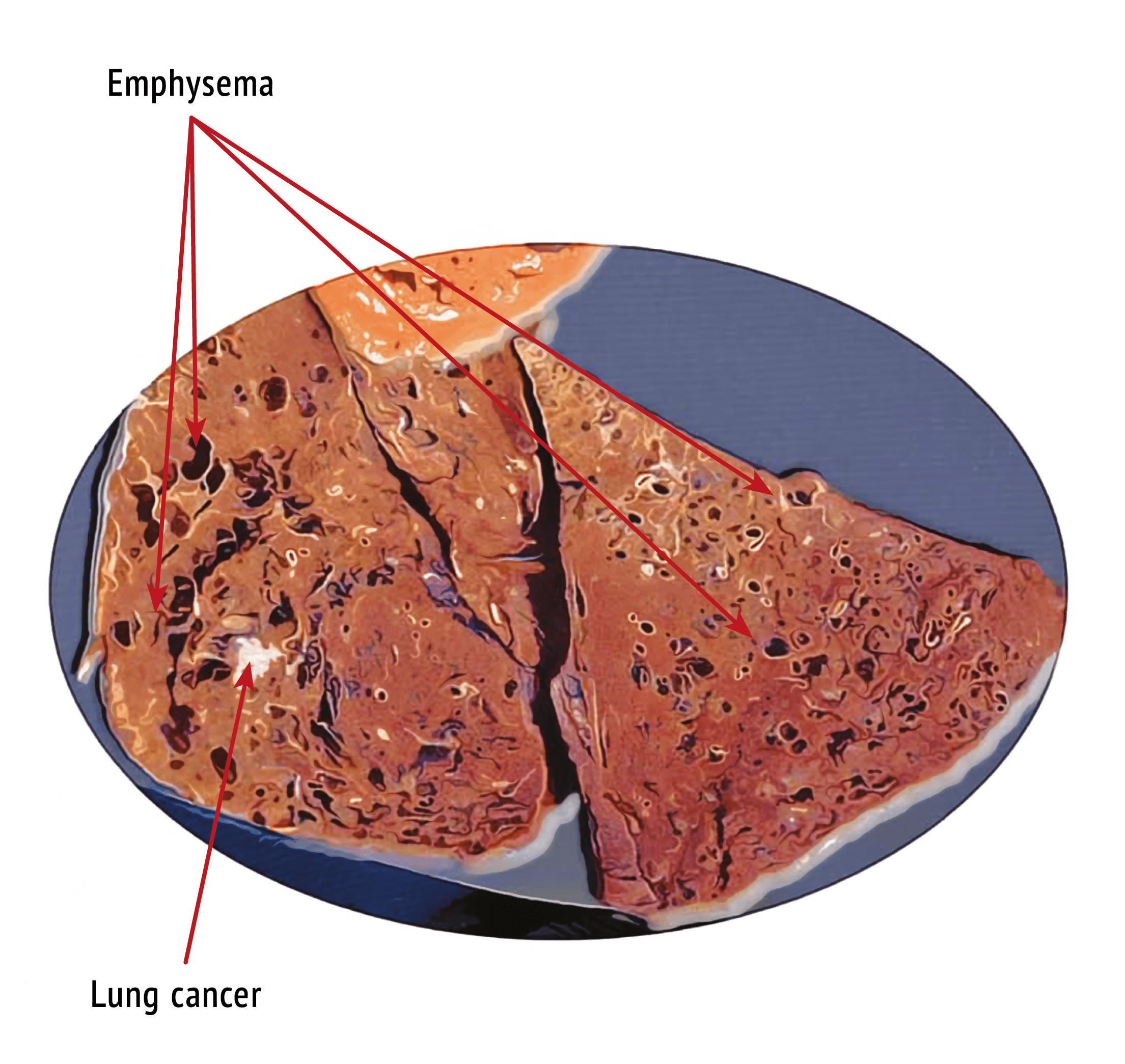
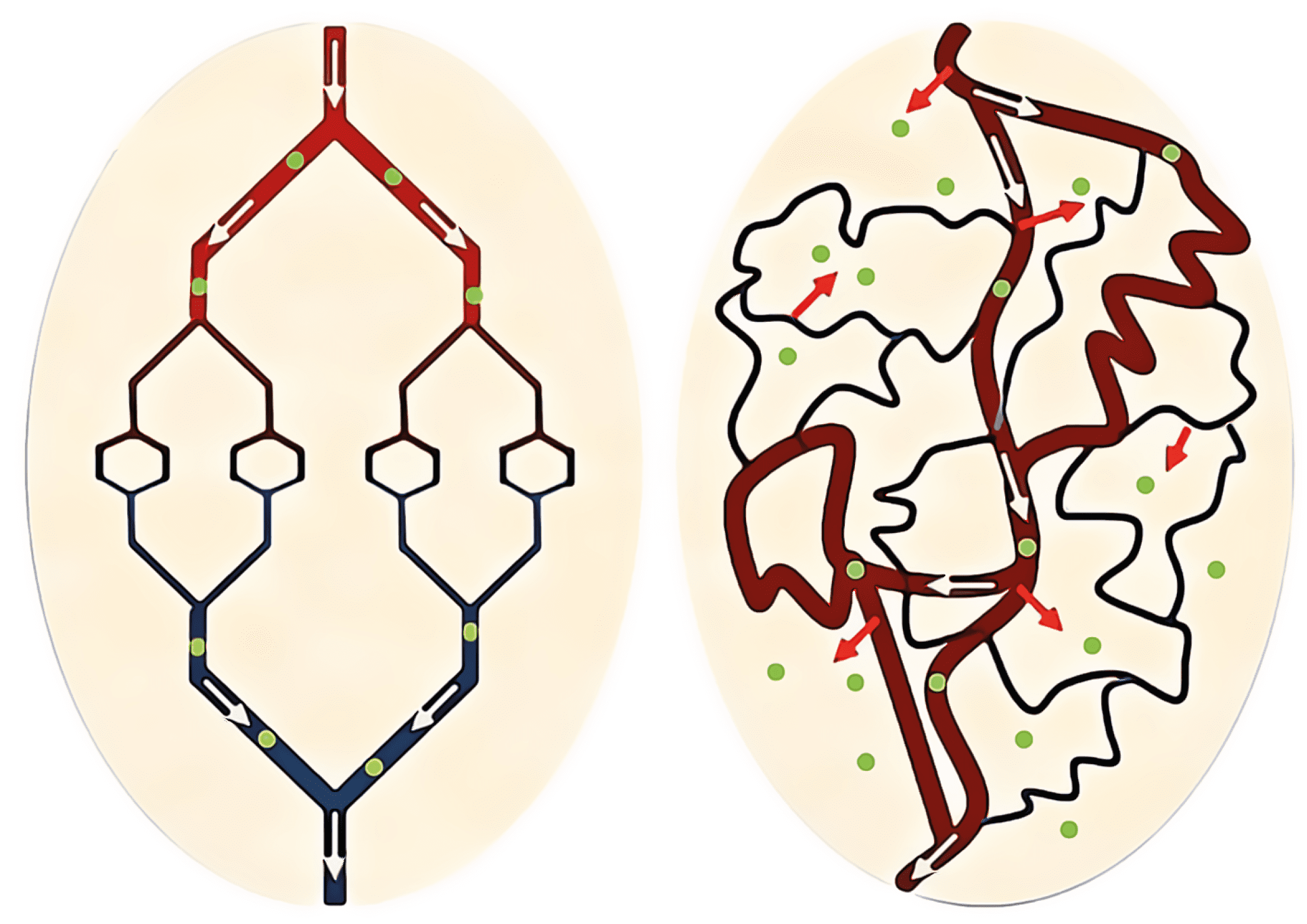
Cancerous tumors are made through the anomalous, rapid growth of cells, which are accompanied by the formation of new and disordered blood vessels. Healthy blood vessels have an ordered fractal structure.
Construction
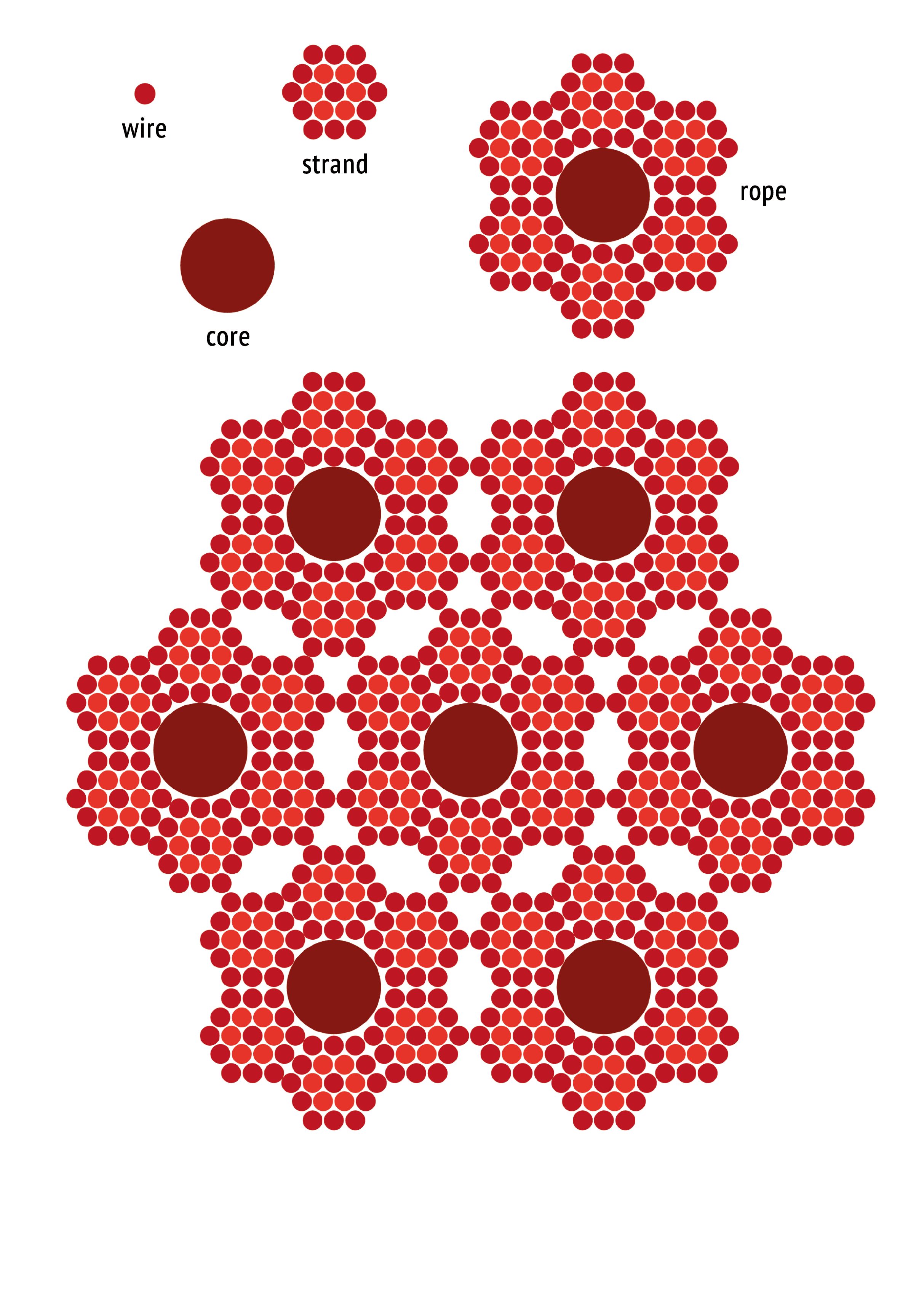
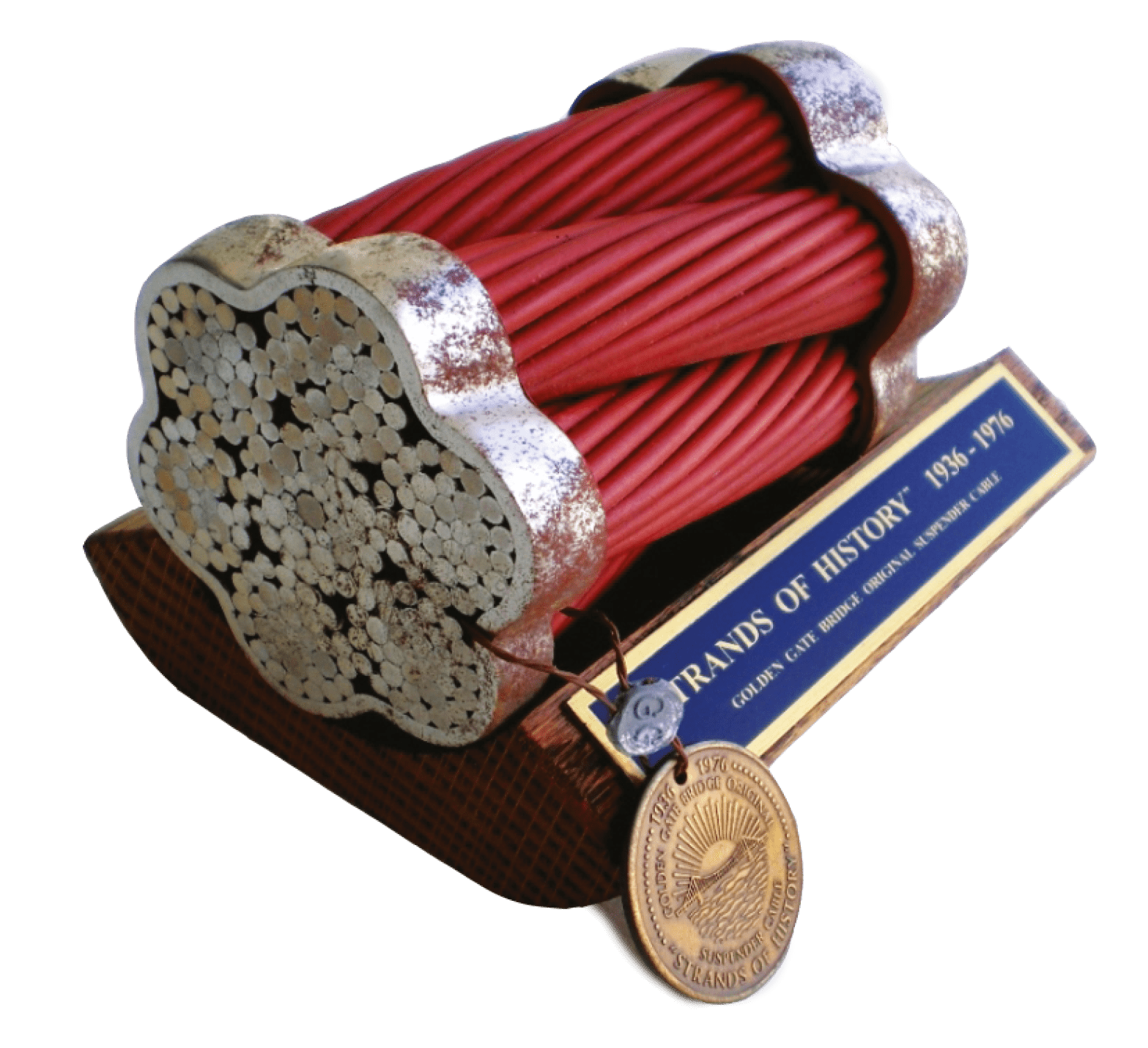
Modern engineers use high-tech cables, which are woven according to the fractal principle (a cable is formed from a bundle of cables, which are, in turn, formed from smaller wires, and so on). The Golden Gate Bridge in San Francisco is one example in which such technology was used.
Definitely interesting topic. Did you like the post? We invite you to read our other topics in Education category.
Follow us on Instagram.